
The French 36-Pounders of Fort McHenry
A French 36-Pounder, representing those taken from the French ship of the line Éole and used to arm Fort McHenry during the war of 1812, is displayed at Fort McHenry. Éole reached Annapolis after being dismasted in a storm in 1806. This French battleship saw no further service, and it was broken up in Maryland several years later.
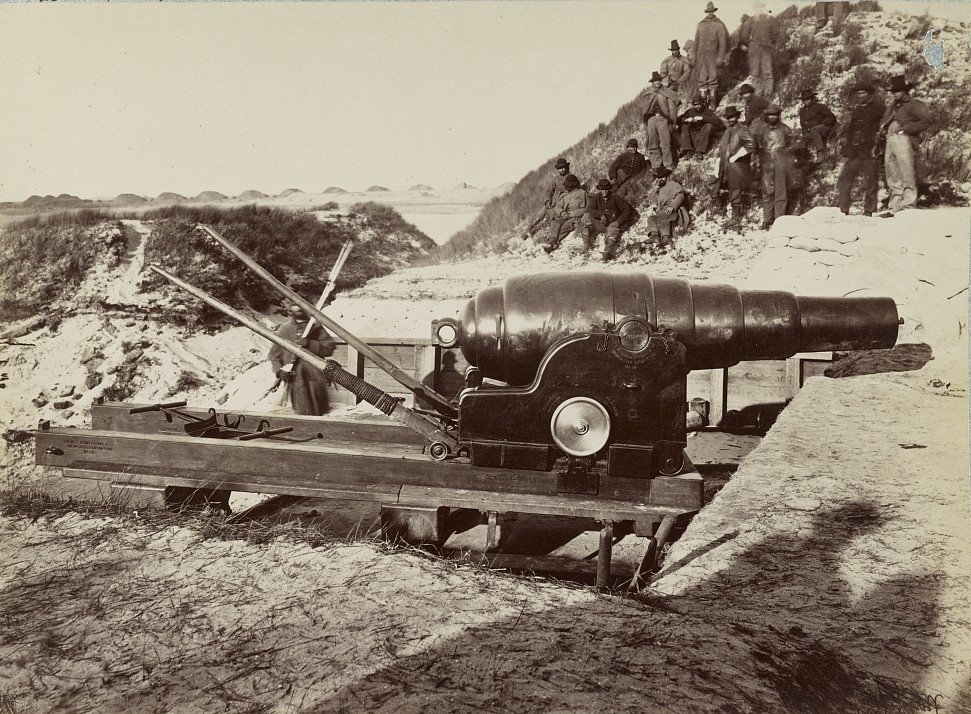
The 150-Pounder Armstrong of Fort Fisher
A 150-Pounder Armstrong Rifle which has been displayed at West Point since 1865 was mounted at Fort Fisher during the American Civil War. A replica represents the cannon at Fort Fisher State Historic Site today.
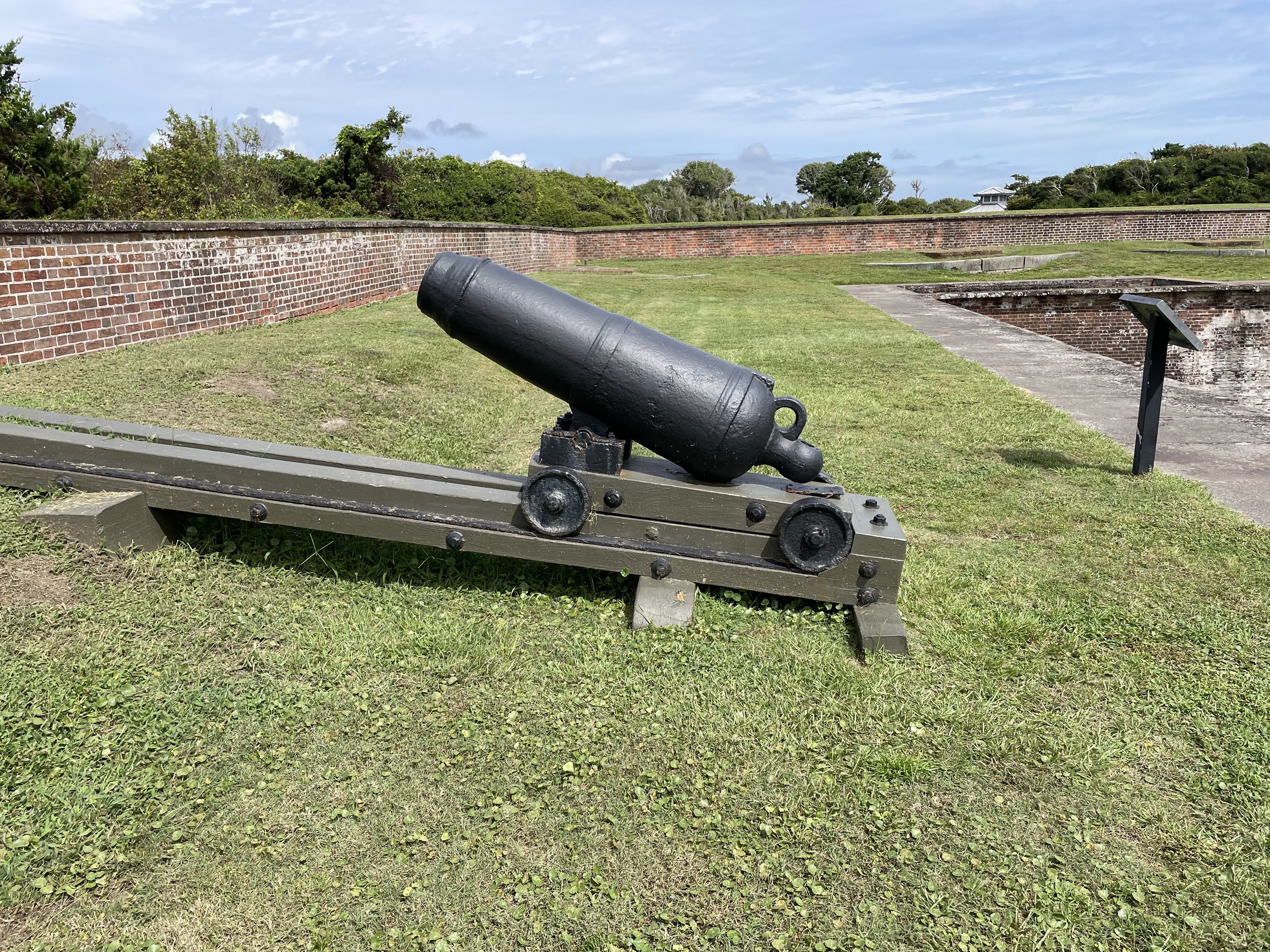
The 32-Pounder Carronade at Fort Macon
A carronade cast for the US Navy in 1820 and carried aboard the ship of the line USS Columbus is displayed at Fort Macon on Bogue Banks near Beaufort, North Carolina. The carronade represents the six carronades shipped from the Gosport Navy Yard in 1861 to be mounted for flank defense in the counterfire galleries of the fort. The six carronades ended up being used for high angle fire during the Siege of Fort Macon in 1862.
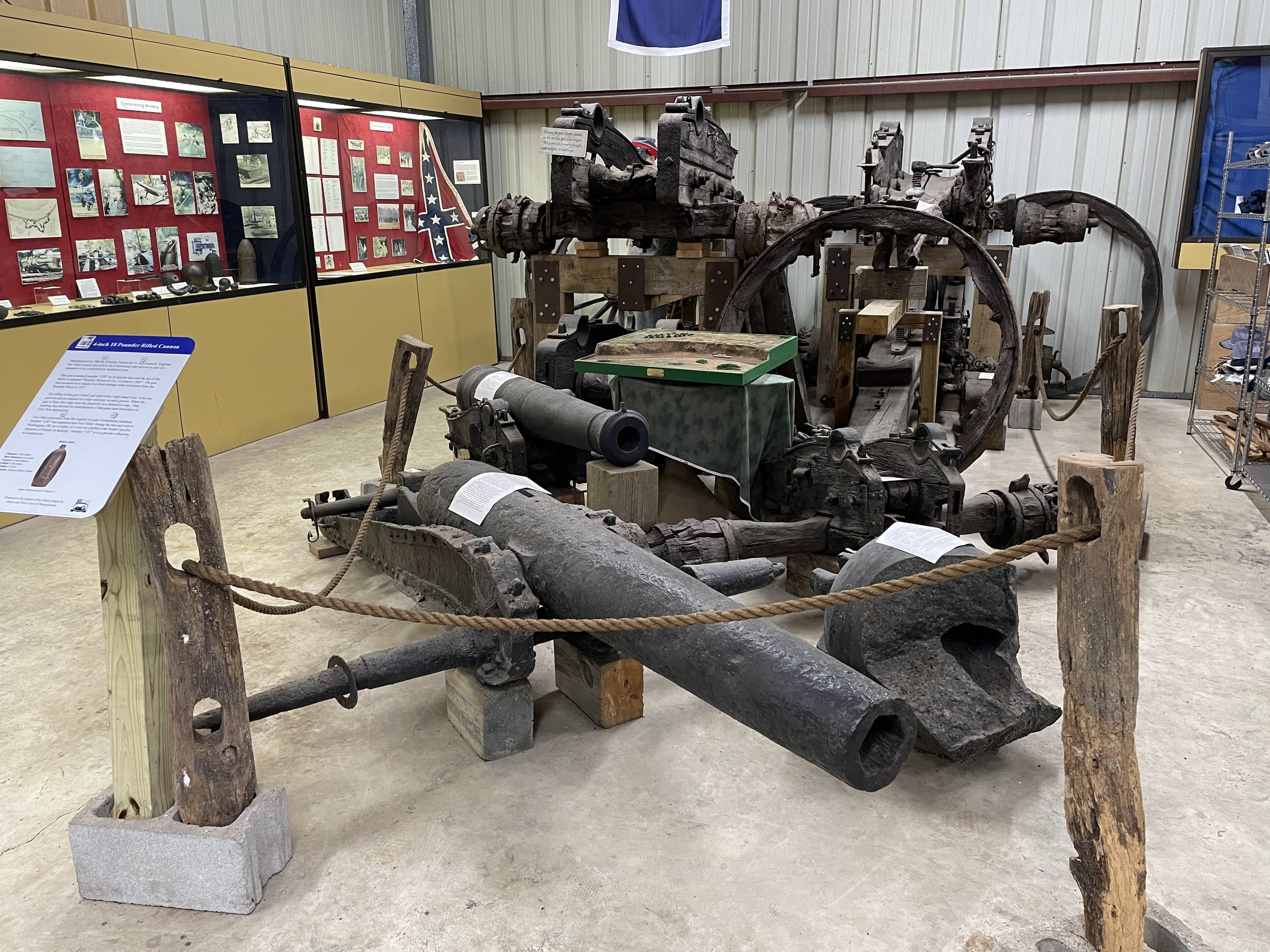
4-Inch Fawcett Preston Rifle at Fort Branch
A 4-Inch Rifle manufactured by Fawcett, Preston, and Company of Liverpool in 1862 is part of the extraordinary collection of artillery, carriages, and many other artifacts recovered from the Roanoke River near Fort Branch and presently displayed at the site in North Carolina.

The 6.4-Inch Parrott Rifles of Greenville, South Carolina
Two 6.4-Inch Parrott Rifles (also called 100-Pounder Parrott Rifles) are displayed in Greenville, South Carolina beside a Confederate Monument. Despite flanking a Confederate Monument, they were produced for the US Army, and cannons with “neighboring” serial numbers are known to have been used to bombard Confederate positions near Charleston. It is possible that these two cannons saw similar service.
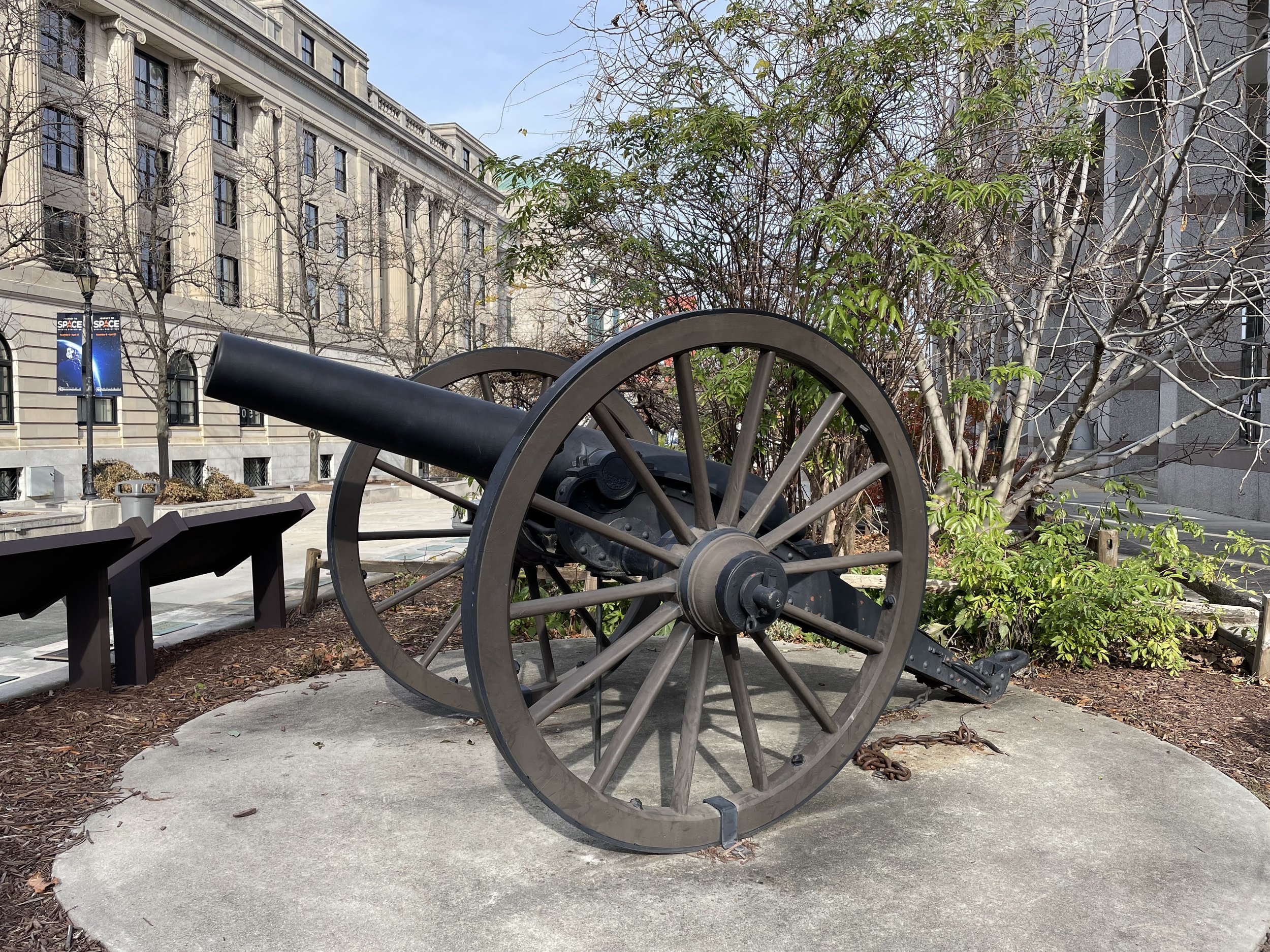
4-Inch Fawcett Preston Rifle in Raleigh, North Carolina
A 4-Inch Rifle manufactured by Fawcett, Preston, and Company of Liverpool which was used by the Confederates near Fort Fisher until captured by the US Navy on August 23rd, 1863 is displayed in Raleigh, North Carolina. This cannon may (or many not) be a “Blakely Rifle”.
Heavy Artillery of the Confederacy in the American Civil War
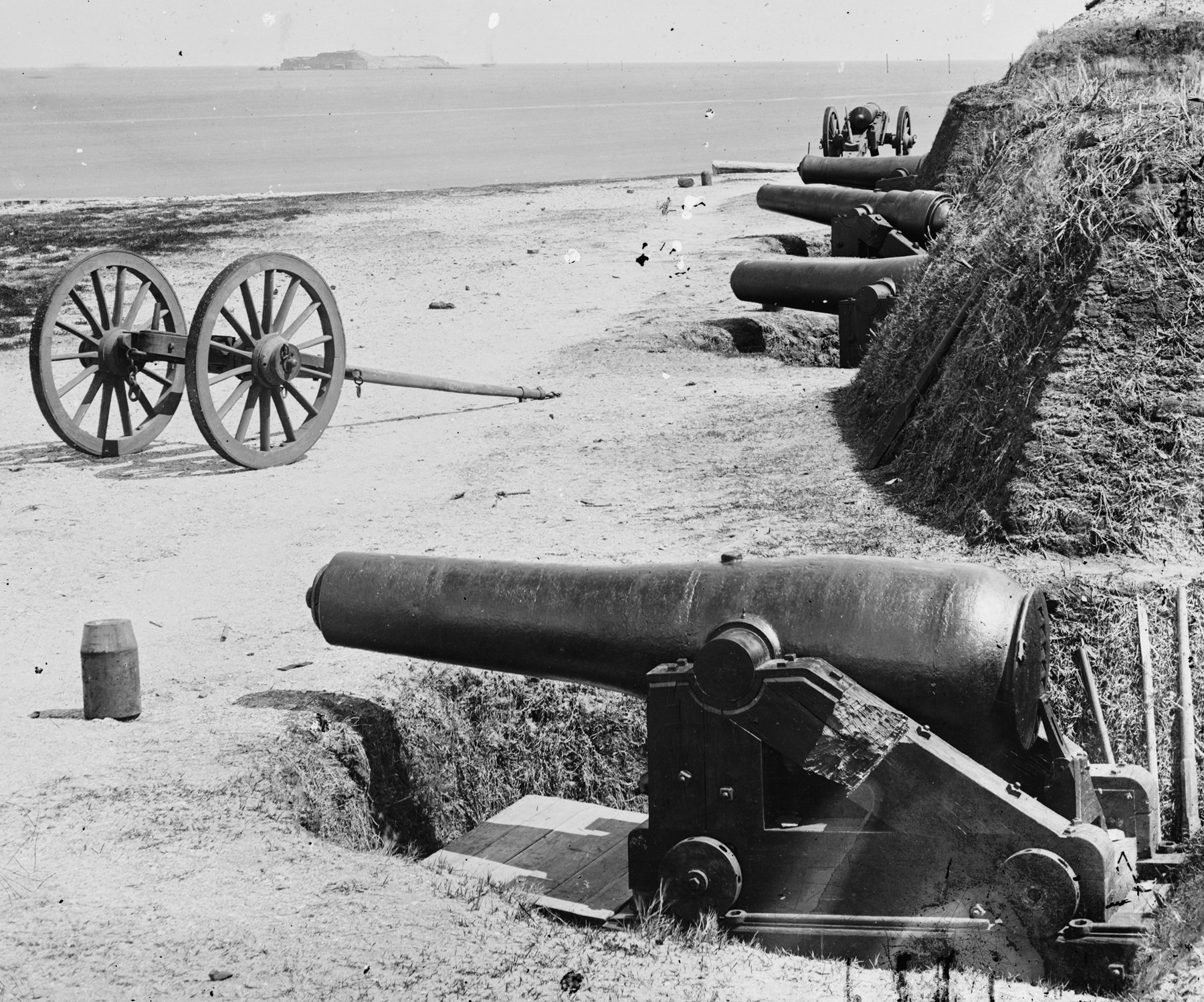
This post is an overview of the major types and systems of heavy naval and seacoast artillery operated by the Confederate Army and Confederate Navy during the American Civil War. The principle types used were: Pre-War US Army cannons and Columbiads, Pre-War US Navy cannons and Dahlgren guns, Confederate Columbiads, Brooke Rifles and Smoothbores, banded and rifled cannons, and British rifles.
The 12-Pounder Whitworth Rifle at Fort Fisher
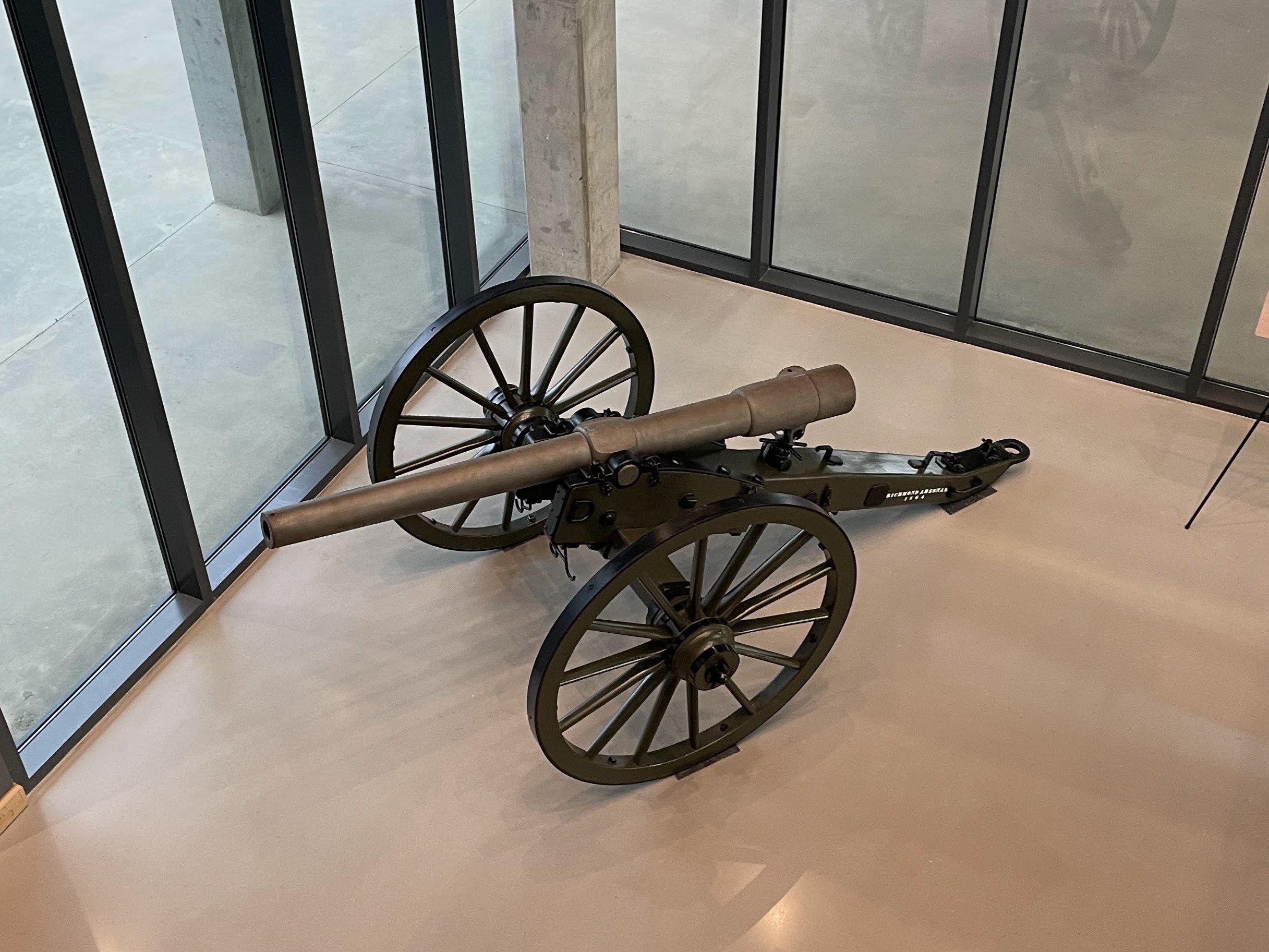
A 12-Pounder Whitworth Breech Loading Rifle is displayed at Fort Fisher. This Whitworth was captured on August 23rd, 1863 by the United States Navy after two actions fought around the wreck of the blockader runner Hebe.

The 10-Inch Confederate Columbiad at Fort Macon
An original 10-Inch Confederate Columbiad is displayed at Fort Macon on Bogue Banks in North Carolina. While Fort Macon mounted two such cannons during the war, this particular Columbiad was mounted at Charleston, was sold for scrap after the Civil War, was shipped and lost aboard the schooner Philadelphia, and was recovered off the coast of South Carolina in the 2010s.

The Cannons of Fort Macon
Fort Macon on Bogue Banks in North Carolina is a beautifully preserved and restored Third System fort which has been operated as a state park since 1924. Over the last decades the Friends of Fort Macon have raised money to rearm the fort and in so doing has made a very significant contribution to the historical interpretation of the fort. For those who are interested in American Seacoast Artillery, Fort Macon is a fascinating site to visit.
The 9-Inch Dahlgren of USS Minnesota and USS Richmond in New Hope, Pennsylvania
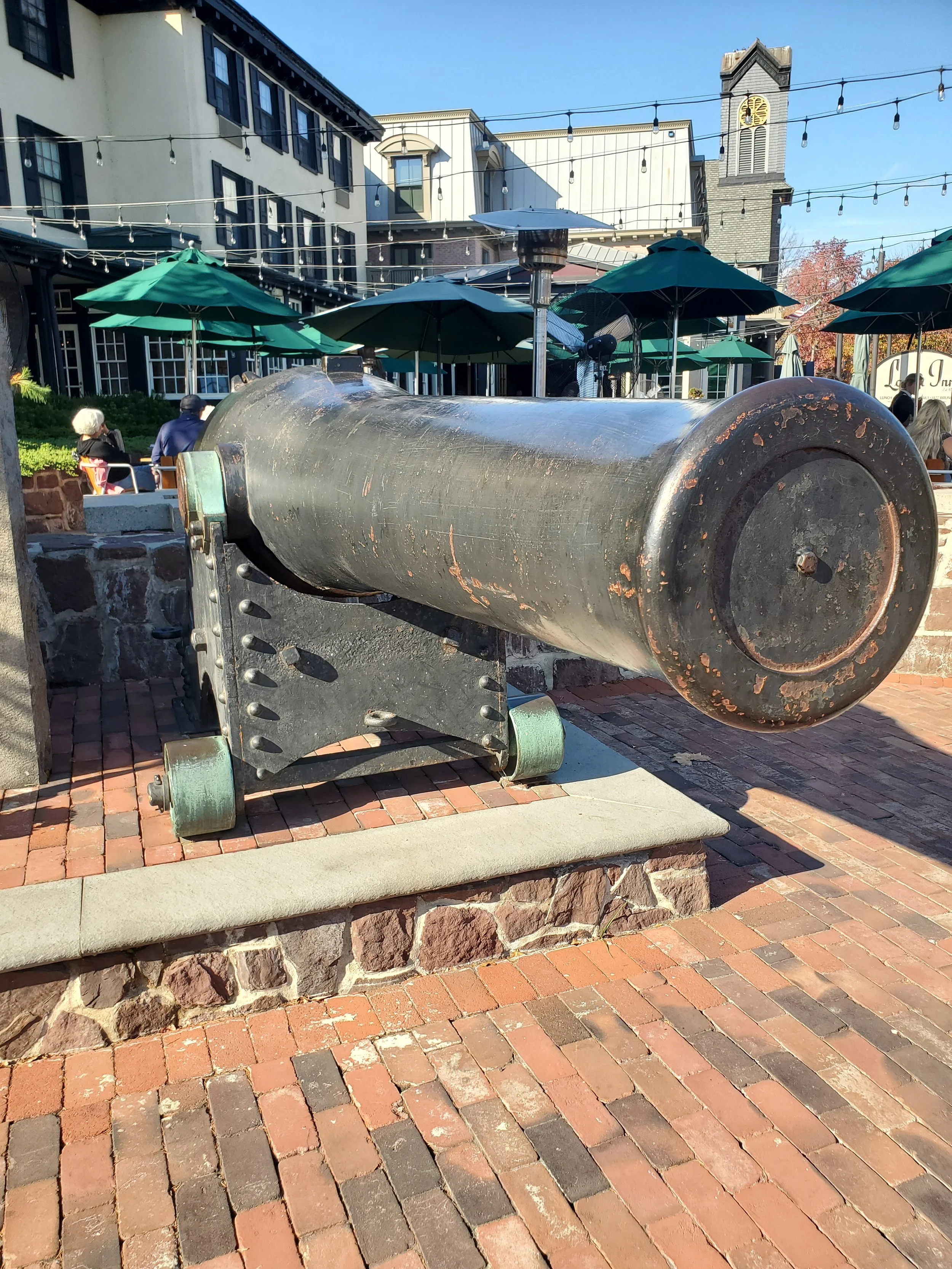
A 9-Inch Dahlgren which served aboard USS Minnesota and USS Richmond is preserved in New Hope, Pennsylvania.
The 9-Inch Dahlgren of USS Colorado on Staten Island
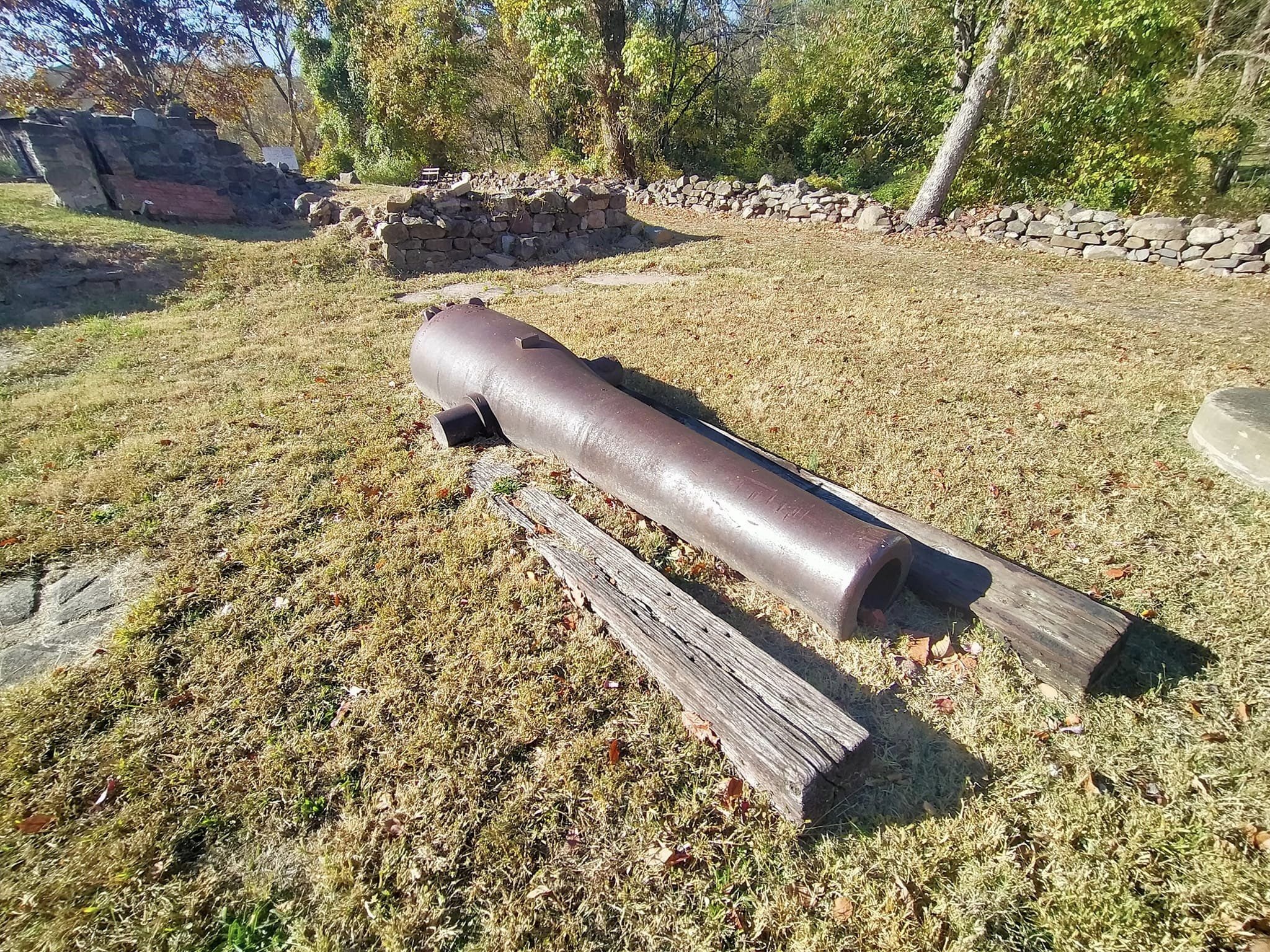
A US Navy 9-Inch Dahlgren Cannon is displayed at Historic Richmond Town on Staten Island in New York. This gun was manufactured at Tredegar Foundry in 1857 and saw service aboard USS Colorado.
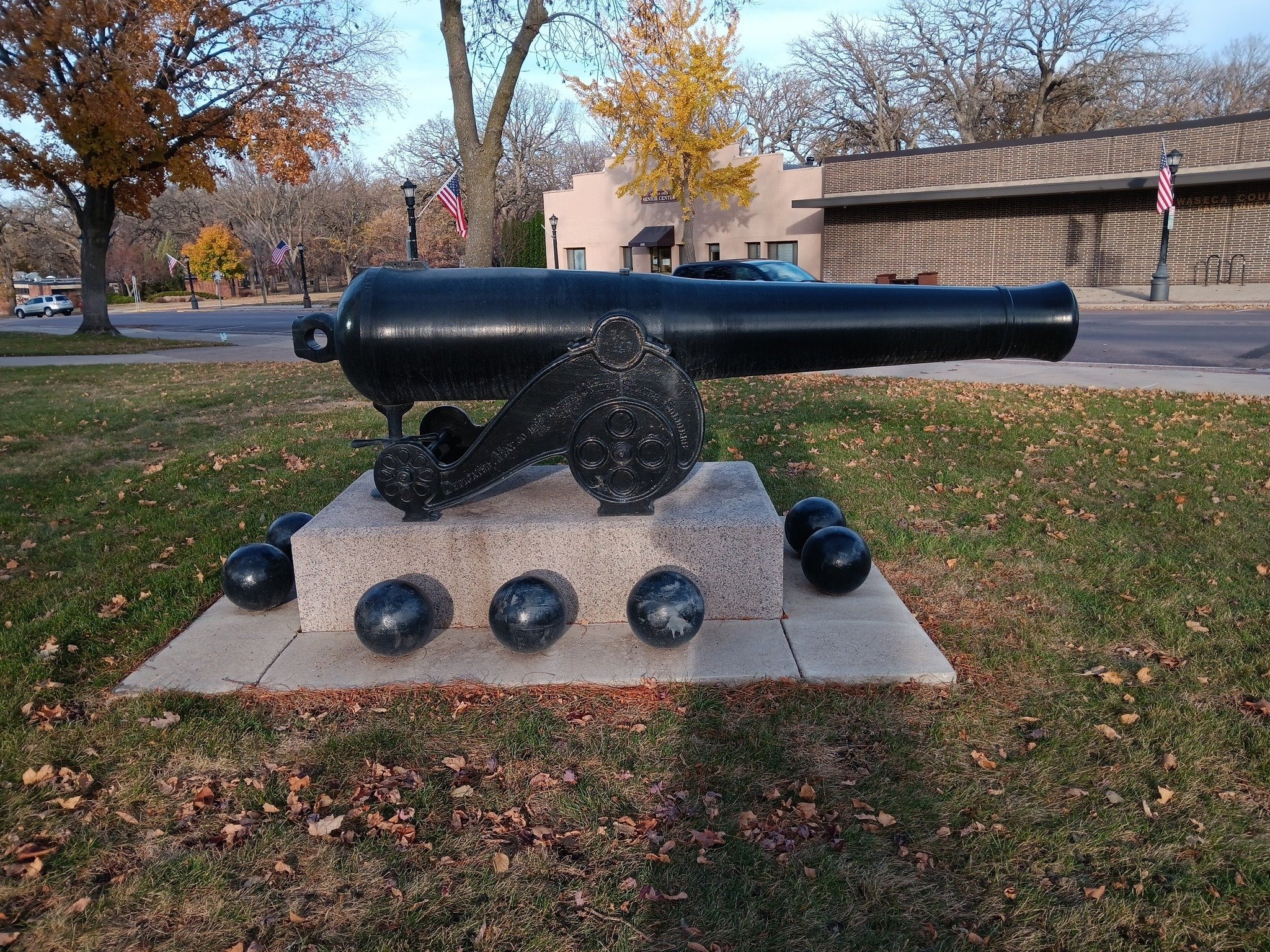
The 32-Pounder of 51 Hundredweight in Waseca, Minnesota
A 32-Pounder of 51 Hundredweight is displayed in Waseca, Minnesota. This type of cannon was used a chase gun on the upper decks of heavy frigates and ships of the line of the United States Navy prior to the American Civil War.

USS Olympia - Protected Cruiser of the New Navy
USS Olympia was commissioned in 1895 at a time when wooden steam and sail ships of the “Old Navy” still actively cruised as part of the US Navy. She represents the “New Navy” and the end of the time period that this website actively covers. She is a unique survivor of the late 19th Century US Navy and a national treasure in need of our support!

The Guns of USS Kearsarge in 1894
When the USS Kearsarge grounded and sank on February 2nd, 1894 she was carrying two 8-Inch Muzzle Loading Rifles, four 9-Inch Dahlgrens, and one 5.3-Inch Breech Loading Rifle. This post looks at historic photos of USS Kearsarge, photos of preserved cannons similar to those lost aboard the ship, and photos that may show the current disposition of the cannons at Kearsarge’s wreck site.

The 8-Inch Muzzle Loading Rifle of USS Richmond in Lambertville, New Jersey
A US Navy 8-Inch Muzzle Loading Rifle which served in the 1870s and 1880s aboard the famous Civil War ship USS Richmond is displayed in front of a Civil War Memorial at Mary E. Sheridan Park in Lambertville, New Jersey. The cannon was converted from an 11-Inch Dahlgren in 1877. (The cannon had been originally cast in 1863.)
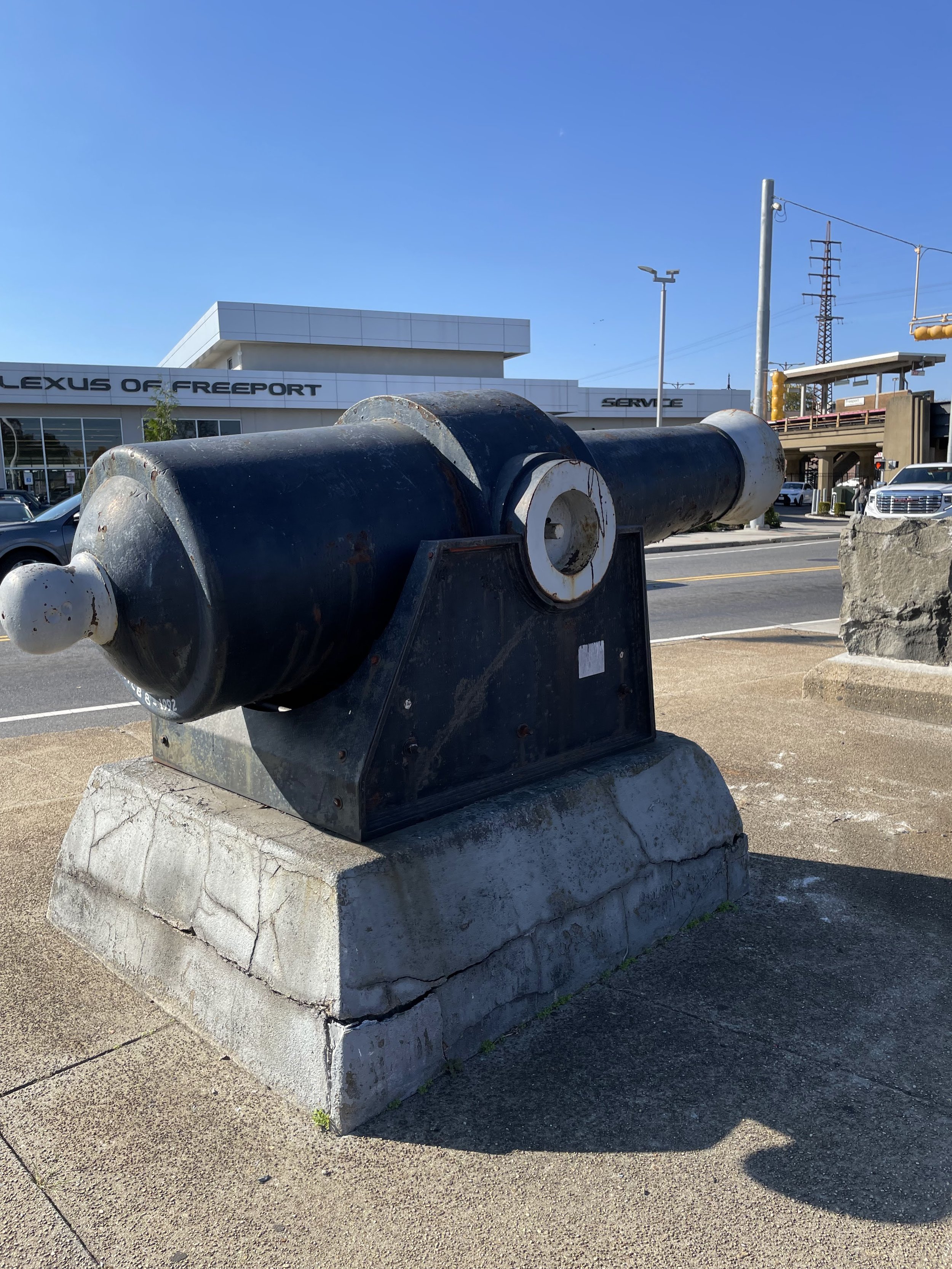
The Cannons of Freeport: The Trubia Rifle and Hartford’s Parrott
Two 19th Century muzzle-loading rifled cannon sit about a half-mile apart on Long Island in Freeport, New York. One is an 8-Inch Muzzle Loading Rifle made at Trubia, Spain in 1874 and captured in the Spanish American War. The other is a US Navy 30-Pounder Parrott Rifle which served aboard USS Hartford during the American Civil War.
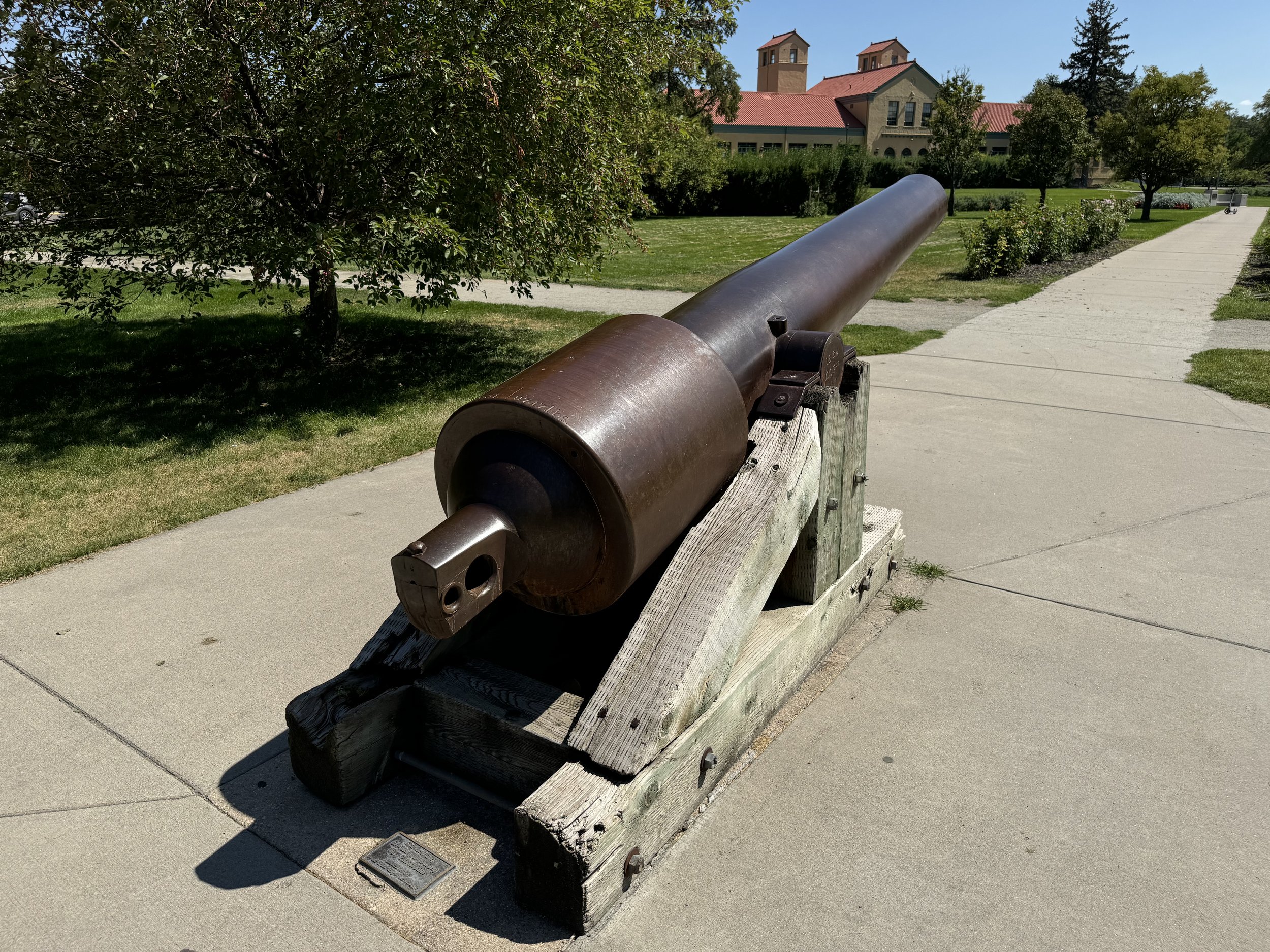
“Report on Rifled Guns” - 1865 Report on Parrott Rifles by the US Navy Bureau of Ordnance
After 5 US Navy Parrott Rifles failed causing some 45 casualties during the First Battle of Fort Fisher in December of 1865, the Bureau of Ordnance was tasked with determining the cause of the failures and whether Parrott Rifles continued to be suitable for use by the United States Navy. The report is transcribed in this post.

Fort Fisher has Reopened!
Fort Fisher State Historic Site has reopened! The newly constructed visitors center and museum is magnificent. The fort itself has two newly reconstructed gun emplacements “armed” with replica banded and rifled 32-Pounders and two field pieces in front of the fort. It was a beautiful day for a visit. More posts will follow in the future which will try to tell something of the history of the fort and its people, but here are a few photos.
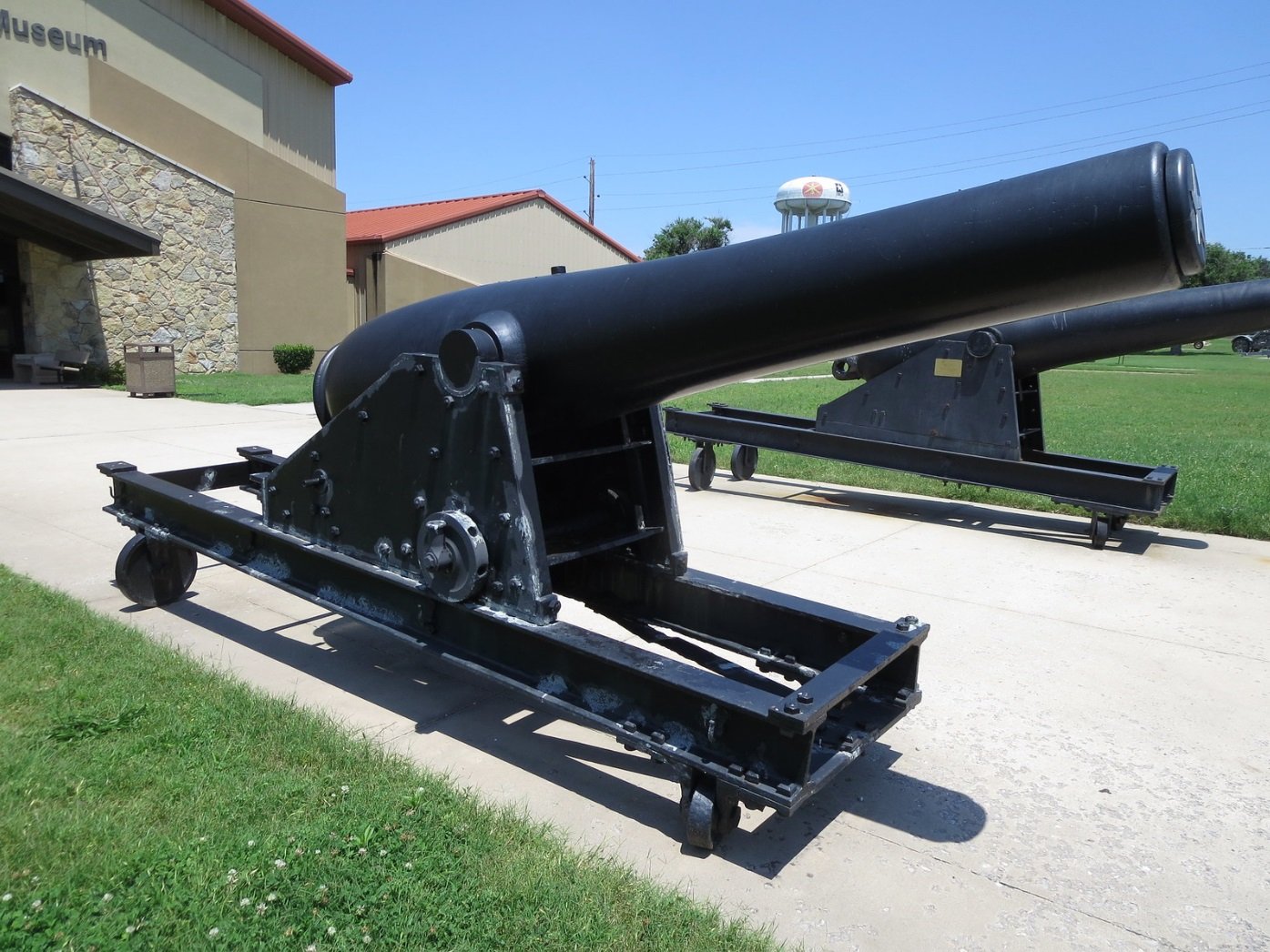
The 9-Inch Dahlgren and 8-Inch Rodman at Fort Sill
The US Army Artillery Museum at Fort Sill offers the unique opportunity to directly compare an 8-Inch Rodman to an 9-Inch Dahlgren. In presenting these two cannon side by side, the visitor to the museum is able to see the approach of both the US Navy and the US Army to produce shell guns capable of also firing solid shot. The Photos in this post were taken by Flickr User “rcaustintx” in 2019. They are used with his permission. Many, many thanks!