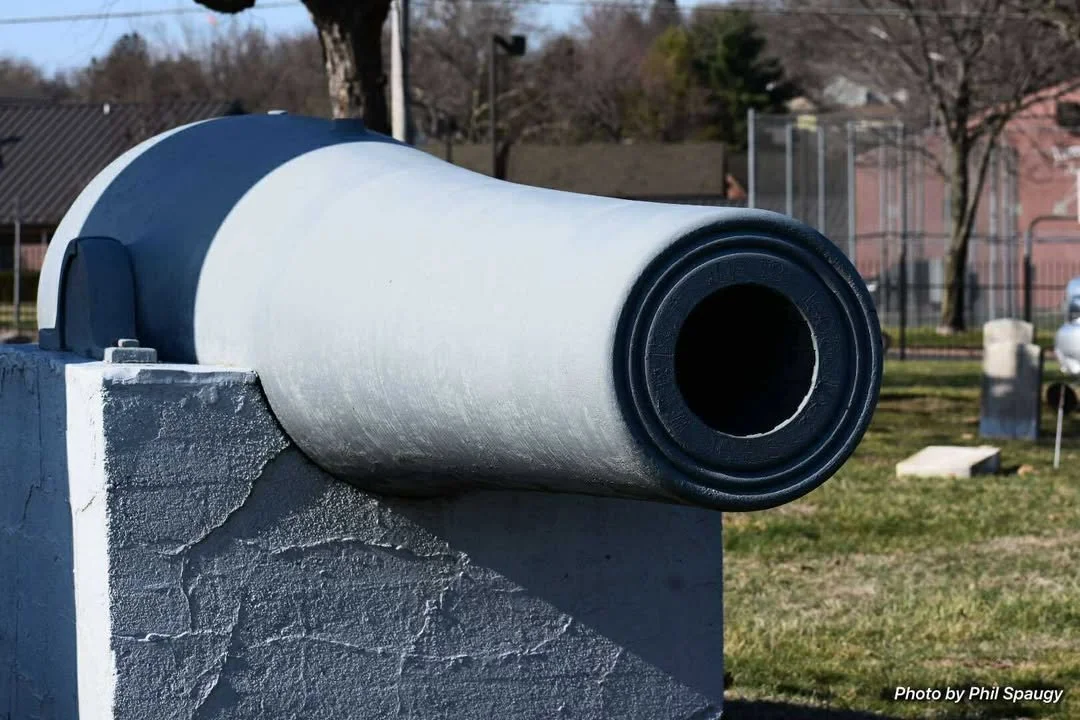
US Army 8-Inch Rifle in Zanesville, Ohio
US Army 8-Inch Muzzle Loading Rifle Number 12 in Zanesville, Ohio. This 8-Inch MLR is from the first series of 10-Inch Rodman smoothbores converted in 1876. This Rodman was Cyrus Alger 10-Inch Number 21 cast in 1865. As originally manufactured, it weighed 15,080 pounds. In 1876 it was taken to the West Point Foundry where the original 10-Inch bore was reamed out to 13.5-inches. Then the rifled sleeve was inserted into the enlarged bore. The finished 8-Inch Rifle had a total weight of 16,050 pounds.
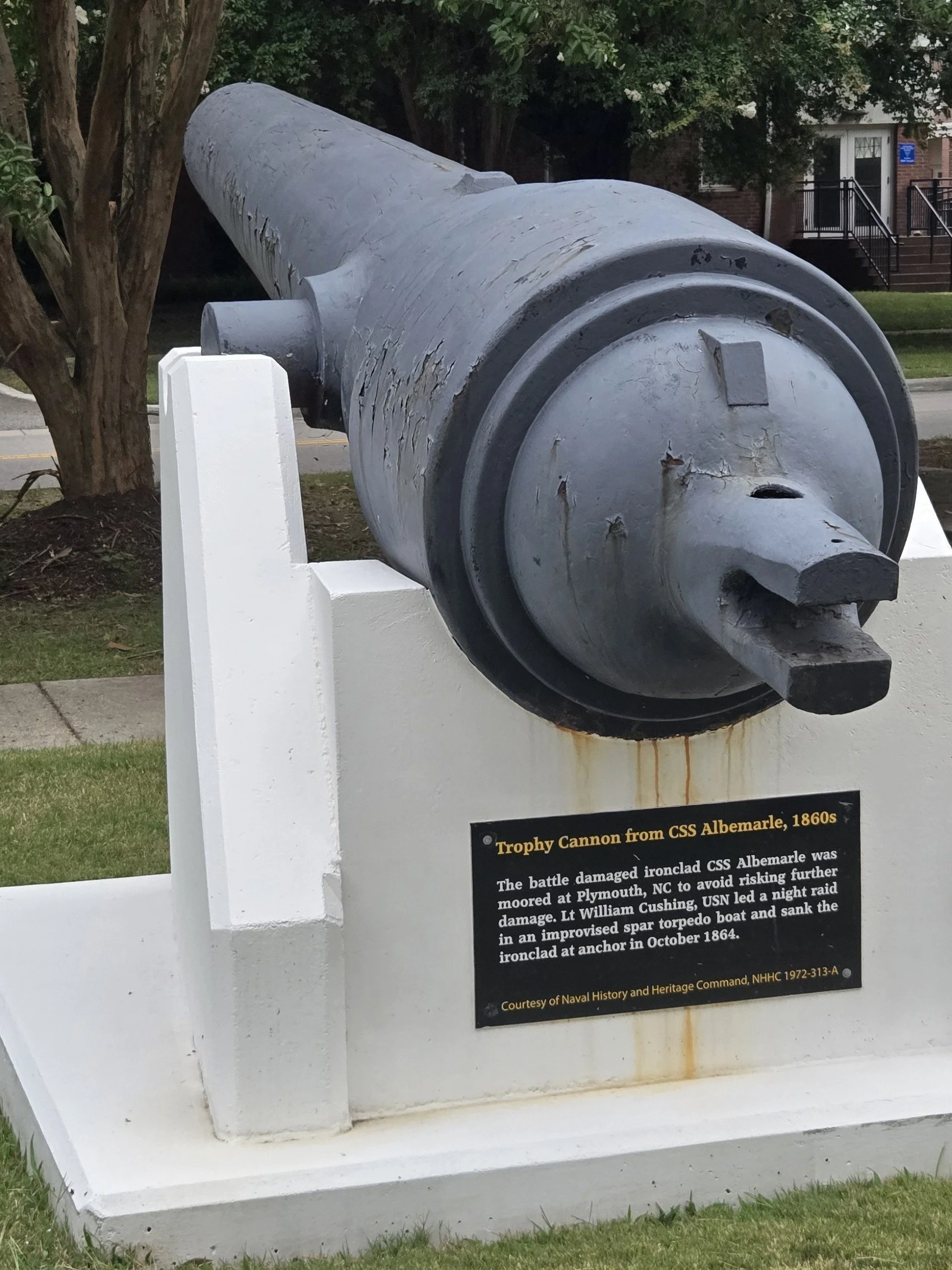
The 6.4-Inch Brooke of CSS Albemarle at Norfolk
A 6.4-Inch Brooke Rifle carried aboard CSS Albemarle is displayed at Naval Station Norfolk flanking a flagpole with another 6.4-Inch Brooke which was carried aboard CSS Tennessee. This Brooke likely was carried by CSS Albemarle during the Battle of Plymouth and Battle of Albemarle Sound in 1864.
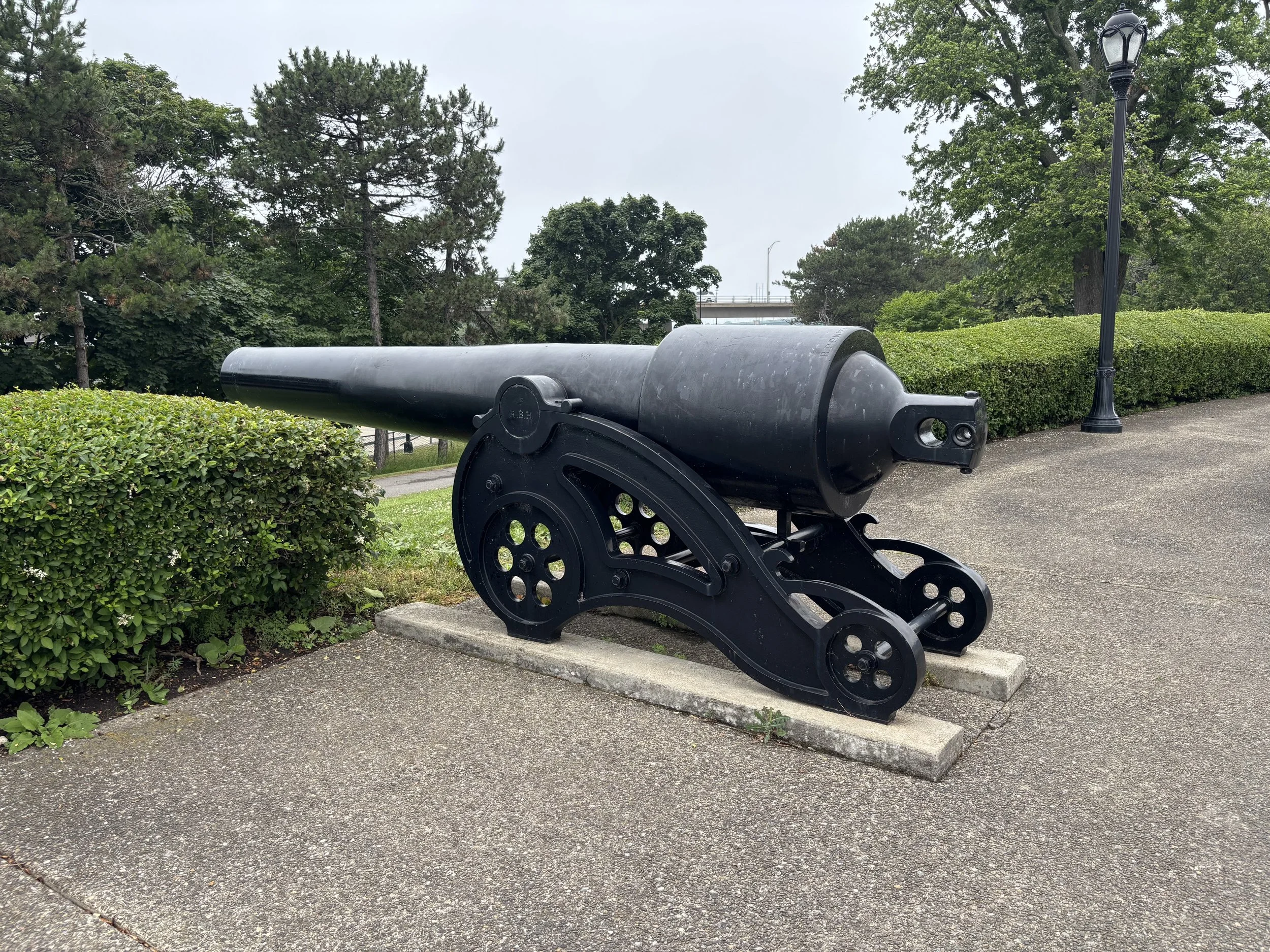
US Navy 100-Pounder Parrott Rifles of Buffalo, New York
Two US Navy 100-Pounder Parrott Rifles, Numbers 346 and 352, are displayed in Front Park in Buffalo, New York. Both are marked "Water Core" on the muzzle signifying that they were cast according to Rodman's technique. The Parrotts are mounted on a ornamental iron pedestal which is in the shape of a stylized carriage.
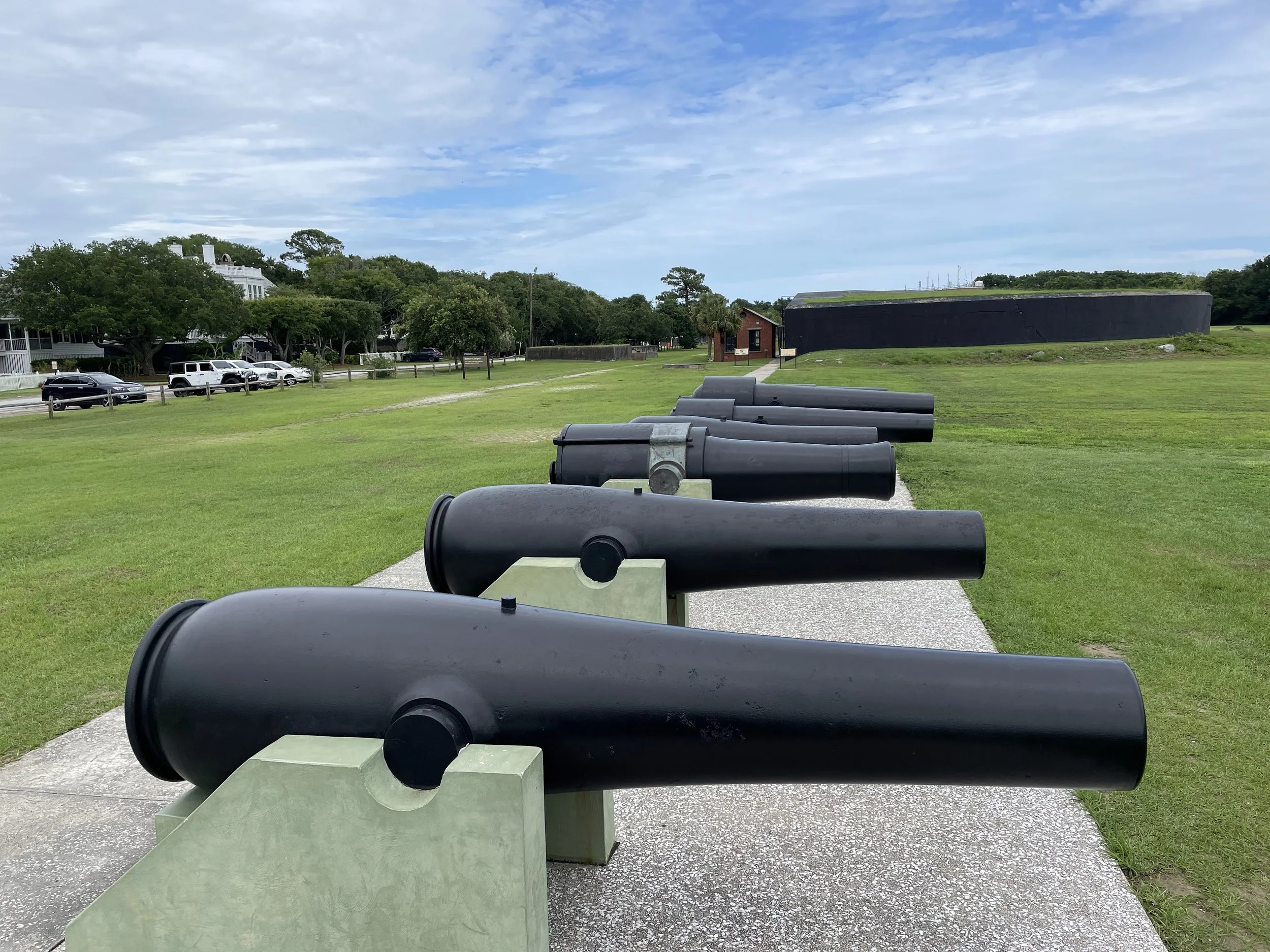
US Army 10-Inch Rodmans at Fort Moultrie
US Army 10-Inch Rodmans Number 156 and 182 which are displayed at Fort Moultrie on Sullivans Island, South Carolina were both manufactured at Fort Pitt Foundry in 1863. As manufactured they weighed 14,965 and 14,980 pounds respectively. They were both shipped from the Augusta Arsenal in 1872 as part of the US Army's efforts to rebuild Fort Moultrie in the 1870s.
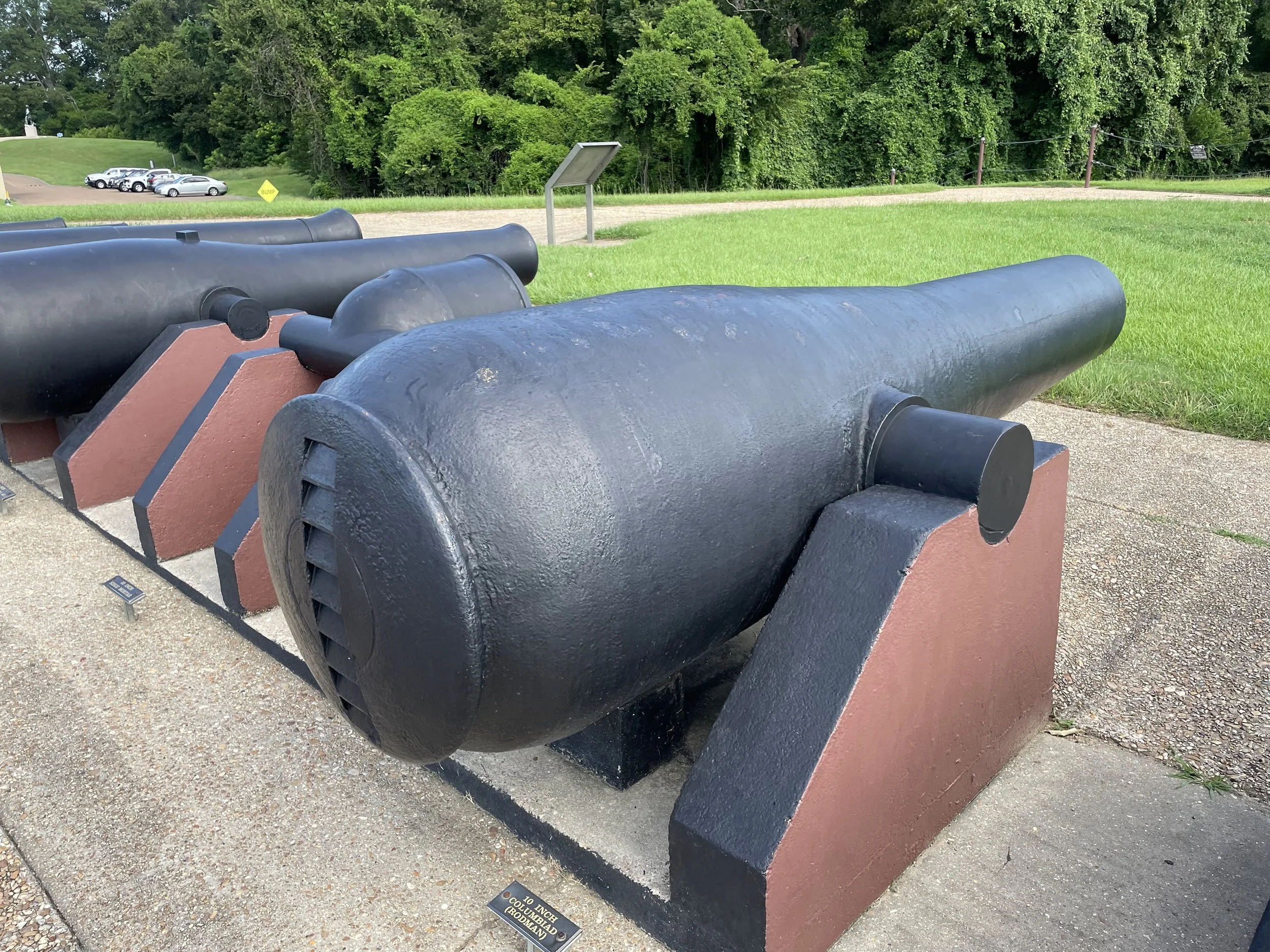
10-Inch Confederate Columbiad, Bellona Number 4, at Vicksburg
A 10-Inch Confederate Columbiad, Bellona Foundry Number 4, is displayed at “Cannon Row” near the Visitor’s Center at Vicksburg National Military Park. This Columbiad was cast by Bellona Foundry near Richmond, Virginia in 1862. It’s original weight was 13,800 pounds.

USN BuOrd 32-Pounders of 4,500 Pounds in Stroudsburg, Pennsylvania
Two US Navy Bureau of Ordnance 32-Pounders of 4,500 Pounds are displayed in front of the courthouse in Stroudsburg, Pennsylvania. They are:
32-Pounder of 4,500 Pounds Number 10 cast by Seyfert, McManus, and Co. in Reading, Pennsylvania in 1865. As manufactured it weighed 4,601 pounds.
32-Pounder of 4,500 Pounds Number 13 cast by Seyfert, McManus, and Co. in Reading, Pennsylvania in 1865. As manufactured it weighed 4,564 pounds.
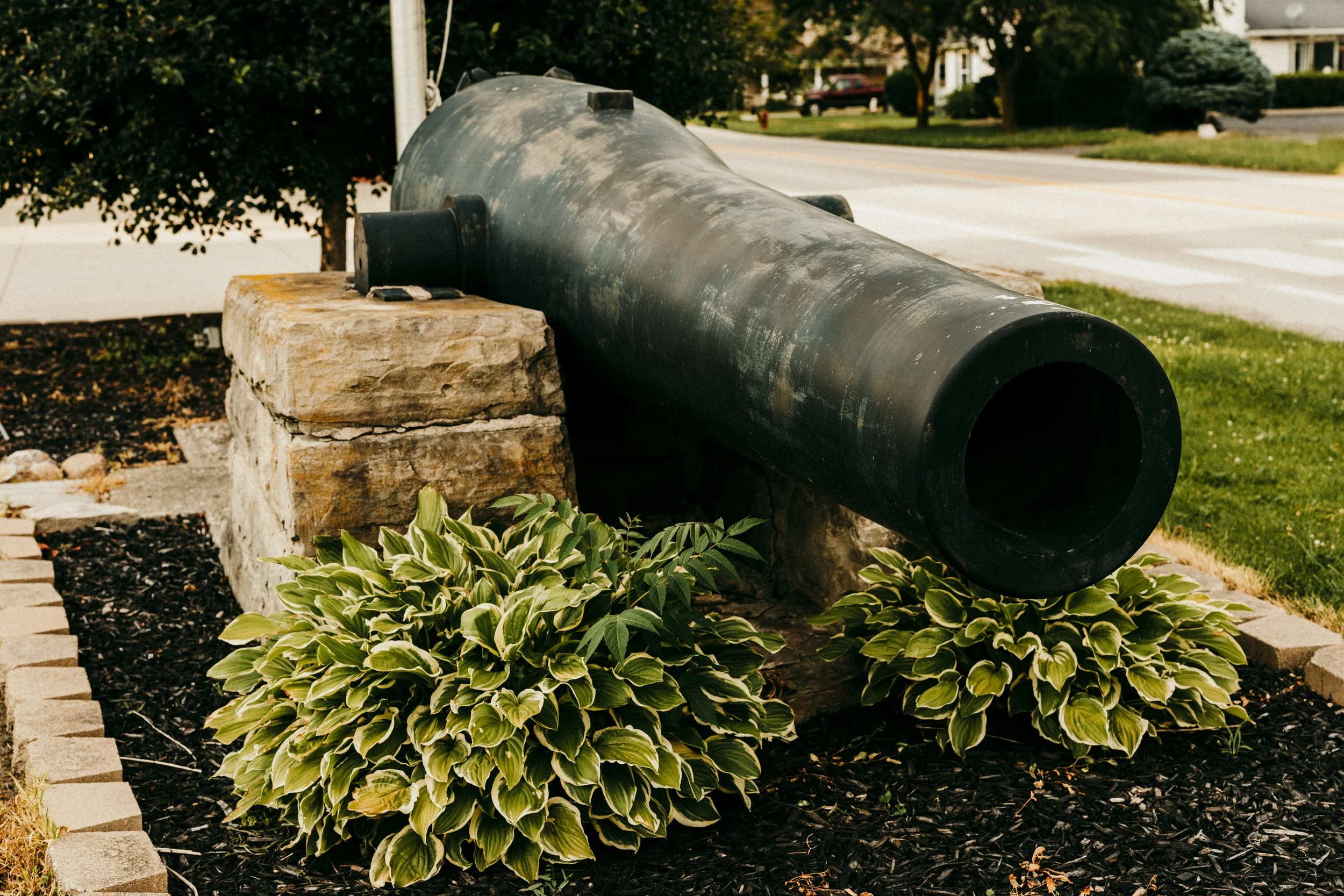
USS Seneca’s 11-Inch Dahlgren in Holgate, Ohio
US Navy 11-Inch Dahlgren Number 313 was cast by Hinkley, Williams, and Company in 1863. In 1864 it was mounted aboard the "90 Day Gunboat" USS Seneca after that ship's 1864 refit. This Dahlgren would fire over 300 shells at Fort Fisher during the First and Second Battles in December 1864 and January 1865. It is displayed in Holgate, Ohio in front of the historic firehouse.
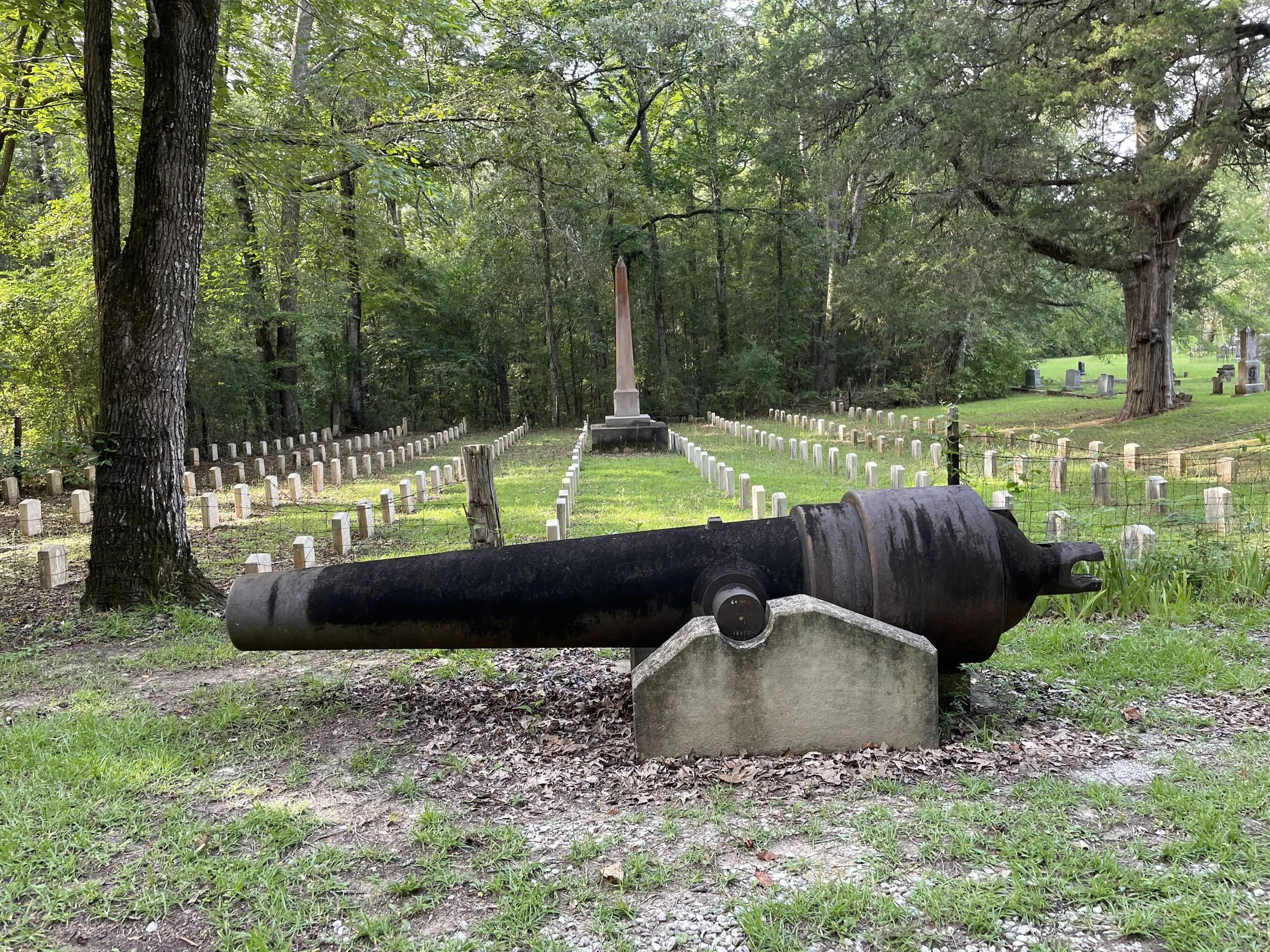
8-Inch Brooke Smoothbore, S-26, at Gainesville, Alabama
An 8-Inch Double Banded Brooke Smoothbore, S26, manufactured at the Selma Naval Gun Foundry in 1863-1864 may be found beside the Old Cemetery in Gainesville, Alabama. S26 was cast as a 6.4-Inch Brooke Rifle. According to Messers Olmstead, Stark, and Tucker, S26 was one of three blocks (raw castings) intended to be produced as 6.4-inch rifles which encountered difficulties during machining but were successfully salvaged as 8-inch smoothbores. S26 is the only survivor of the three Selma produced 8-Inch Brooke Smoothbores.
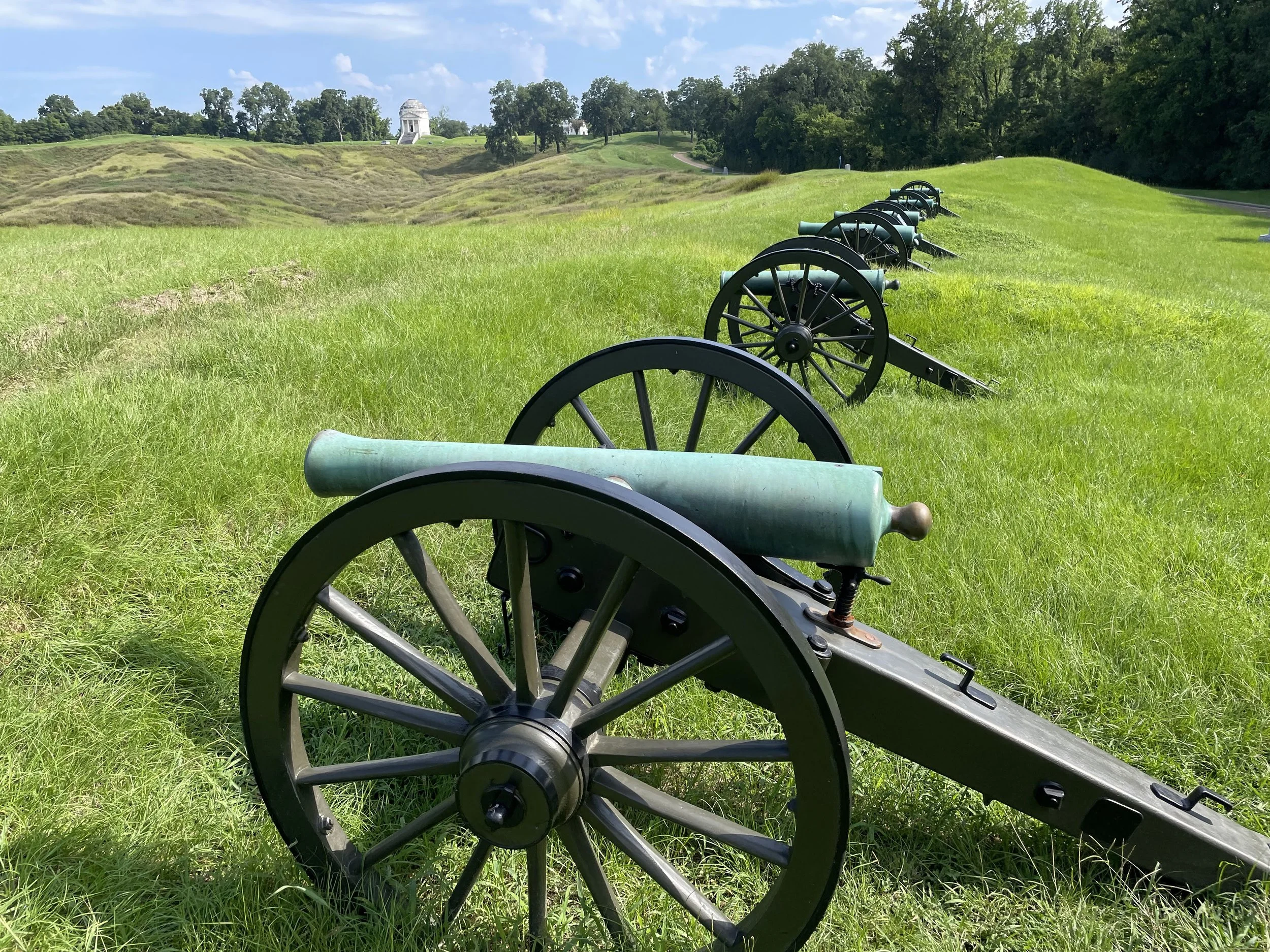
US Army 12-Pounder Napoleon, Ames 32 at Vicksburg
US Army Bronze 12-Pounder, Light, Pattern of 1857, Ames Number 32, is displayed at Vicksburg (near "Tour Stop 1 - Battery De Golyer") Ames Manufacturing Company cast Number 32 in 1862. As manufactured it weighed 1,220 pounds. It is a well preserved example of a 12-Pounder Napoleon.
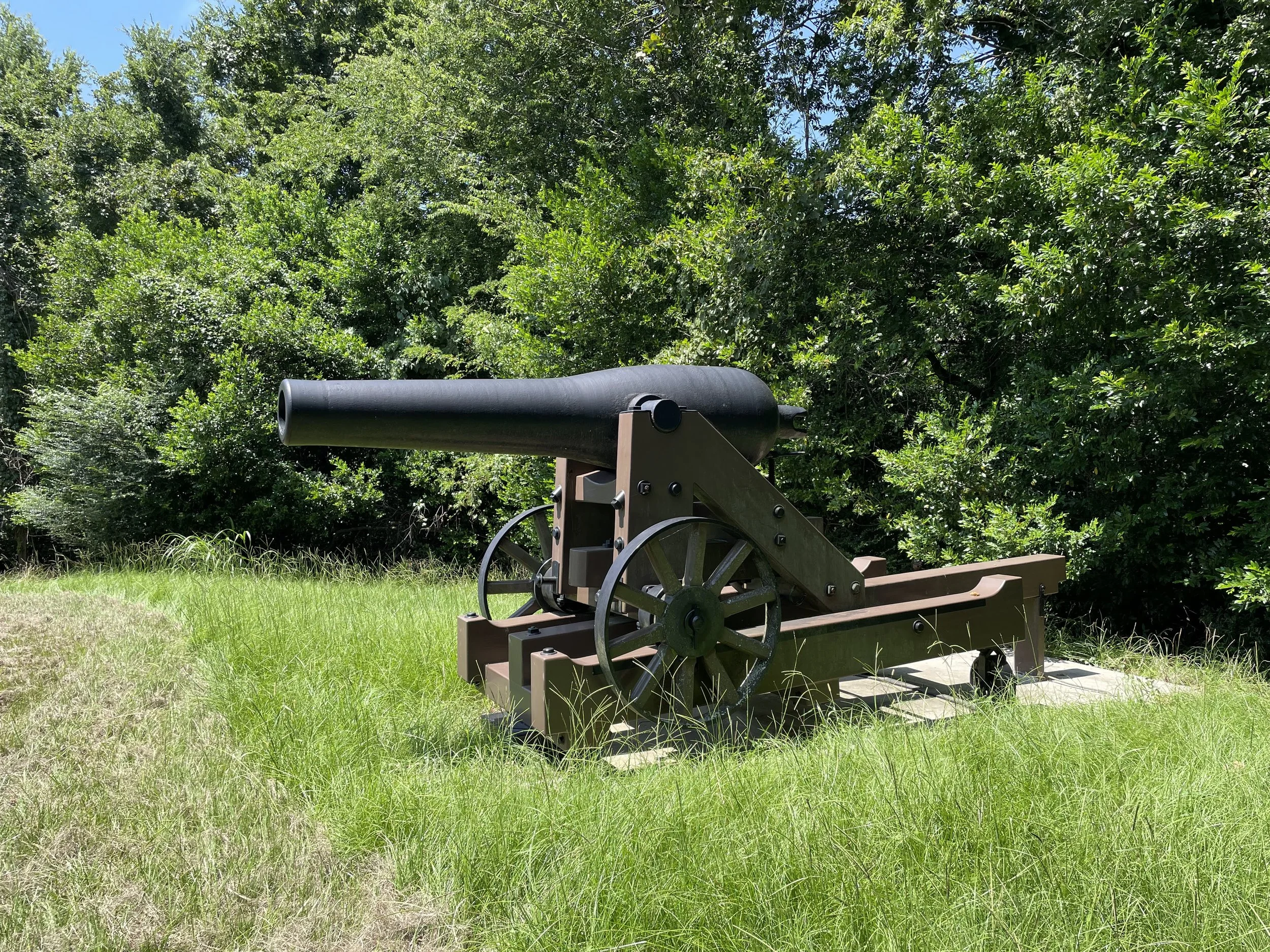
9-Inch “Confederate Dahlgren” at Vicksburg
A 9-Inch Naval Shell Gun cast at Bellona Foundry in 1862 is displayed behind the Mississippi Monument at Vicksburg. This shell gun generally follows the shape of US Navy 9-Inch Dahlgrens and may be called a “Confederate Dahlgren.”
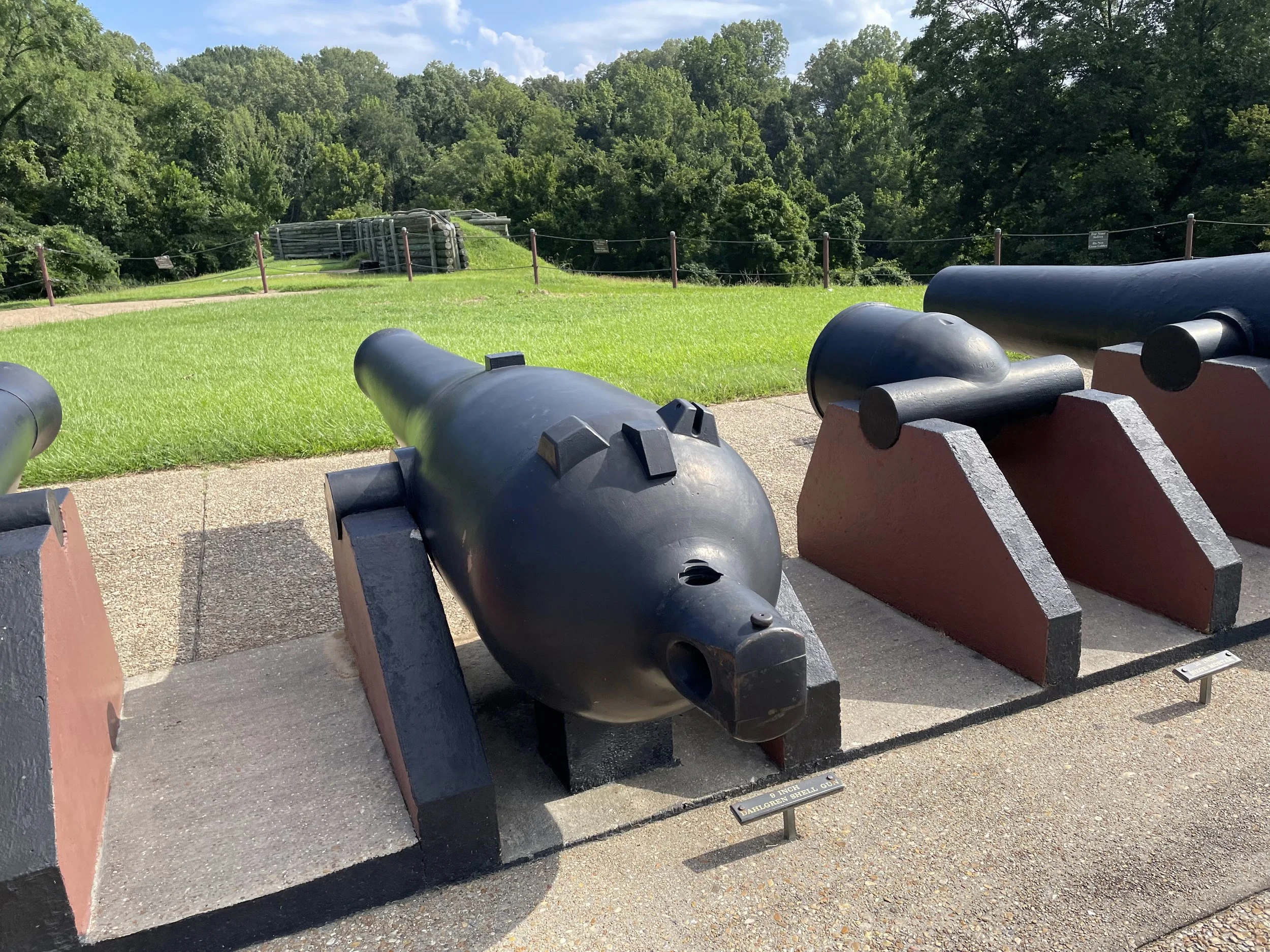
US Navy 9-Inch Dahlgren 703 at Vicksburg
US Navy 9-Inch Dahlgren Number 703 was cast at Fort Pitt Foundry in 1863. It is currently displayed at Vicksburg National Military Park, but in 1864 it was one of twenty 9-Inch Dahlgrens sent to the Navy Yard at Sackets Harbor, New York. It weighs 9,265 pounds.
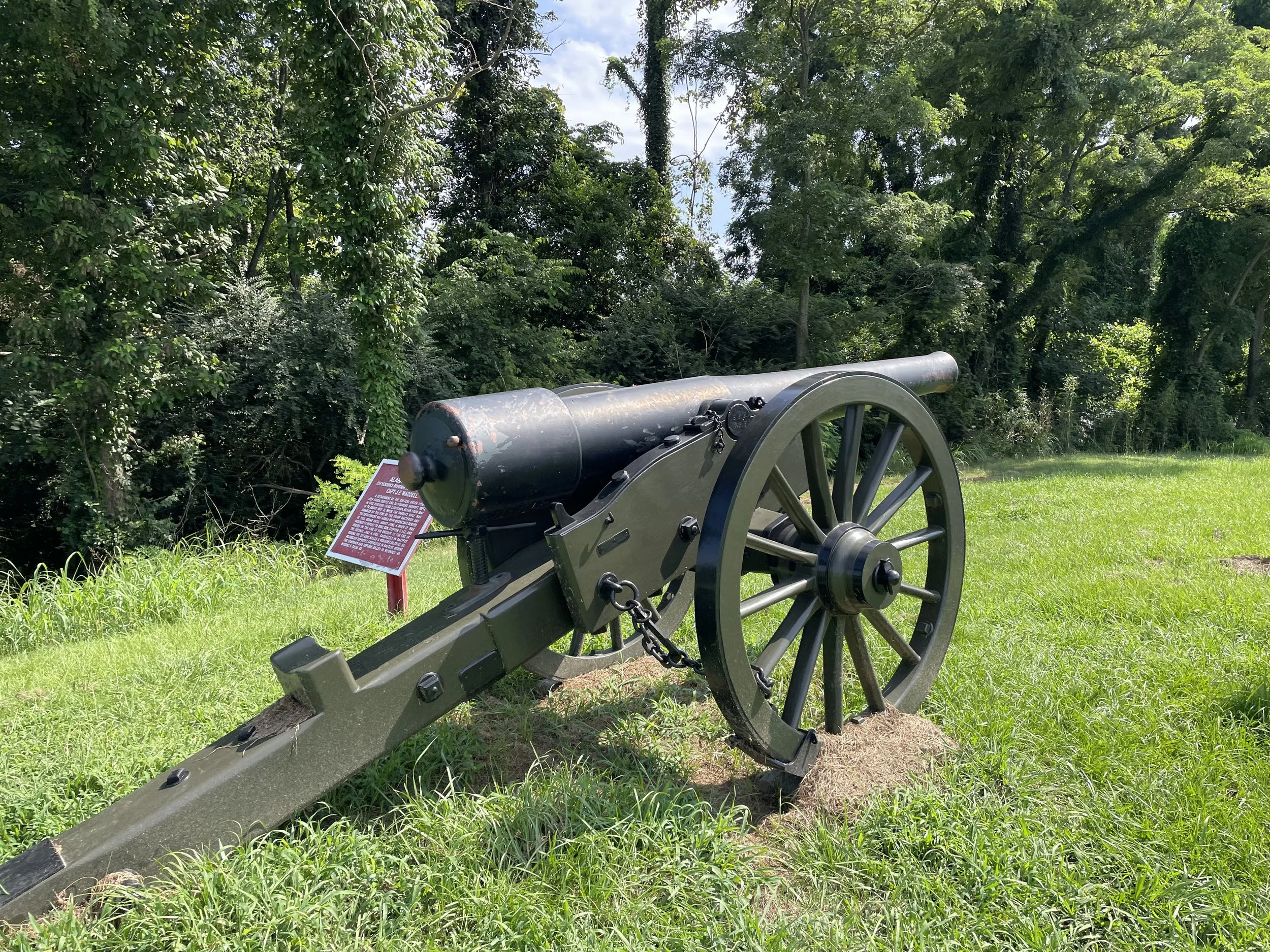
US Army 30-Pounder Parrott Rifle Number 29
US Army 30-Pounder (4.2-Inch) Parrott Rifle Number 29 was manufactured at West Point Foundry in 1861. It is displayed near the site of the Third Louisiana Redan at Vicksburg National Military Park.
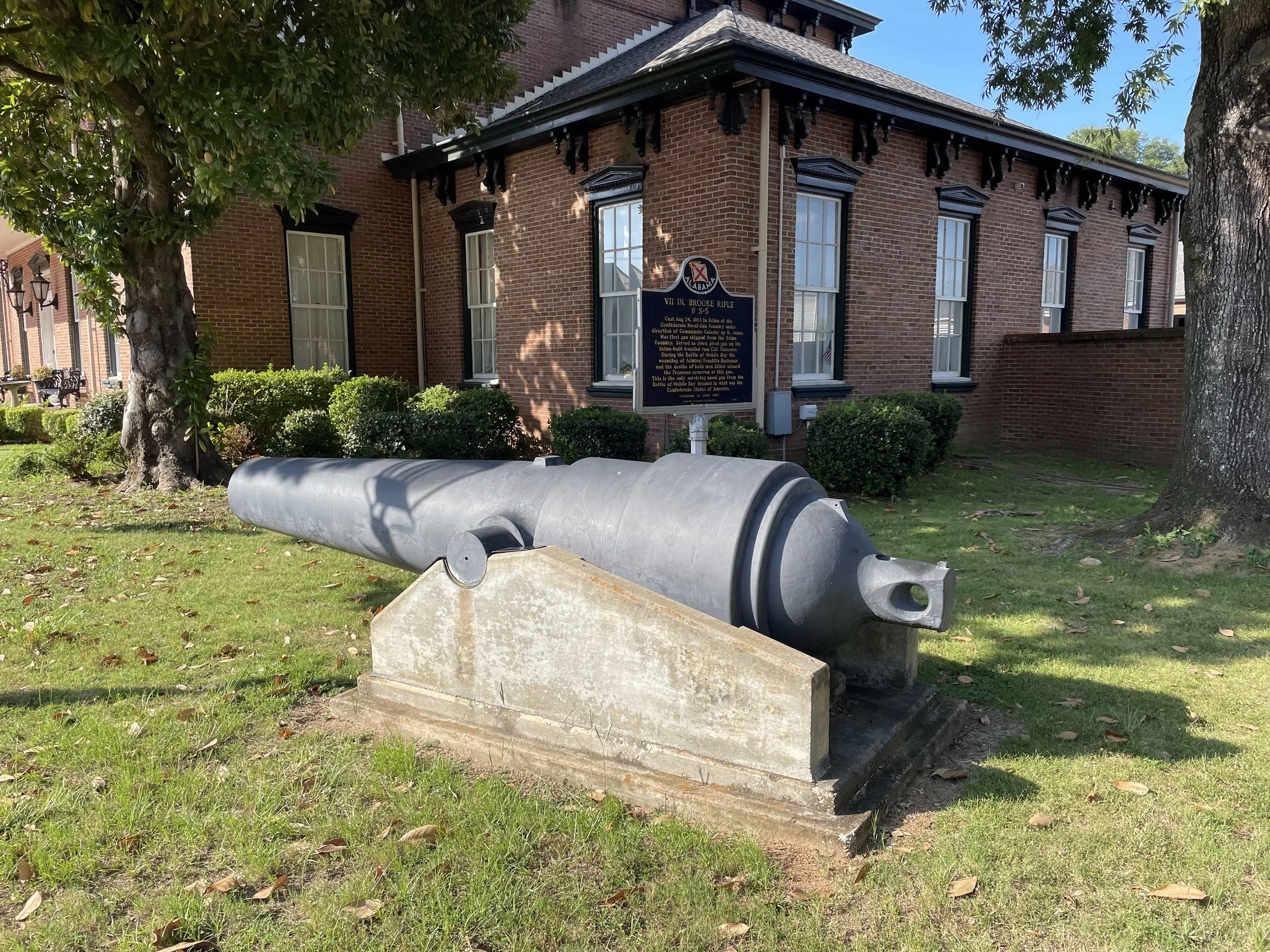
7-Inch Brooke Rifle, S-5, of CSS Tennessee in Selma, Alabama
One of CSS Tennessee’s 7-Inch Double Banded Brooke Rifles, S-5, is displayed at beside the City Hall of Selma, Alabama. This cannon was manufactured by the Selma Naval Gun Foundry in 1863. It was captured during the Battle of Mobile Bay on August 5th, 1864.
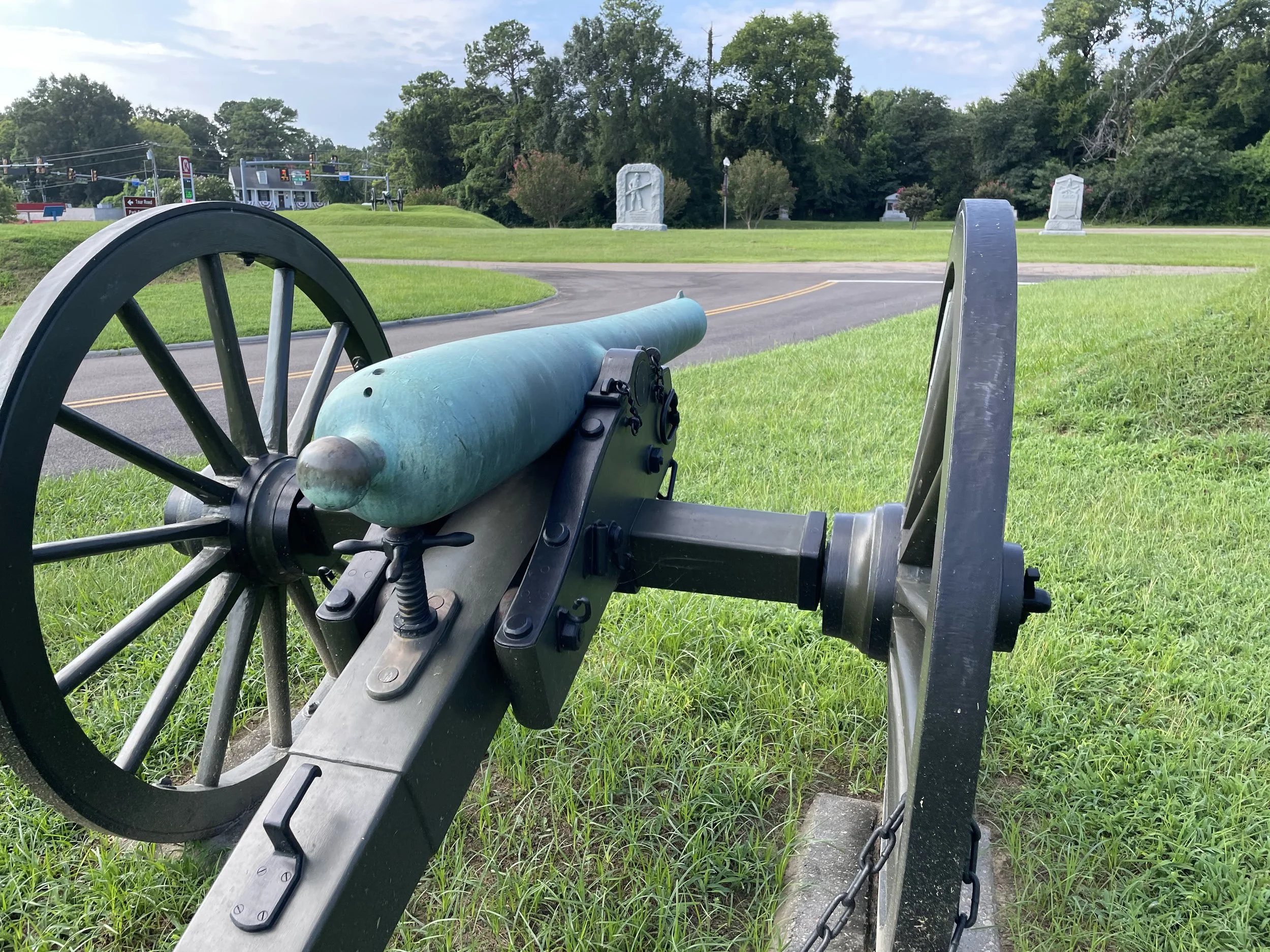
3.8-Inch James Rifle, Type Two, at Vicksburg
3.8-Inch James Rifle, Type 2, Number 20 cast by Ames in 1861. It is displayed at Vicksburg National Military Park near the Visitors Center. The James Rifle, named after its inventor Militia General and US Senator Charles Tillinghast James, is a Bronze 3.8-Inch Rifled Cannon. It was developed to fire a projectile also invented by James. It is also called a 14-Pounder James Rifle.
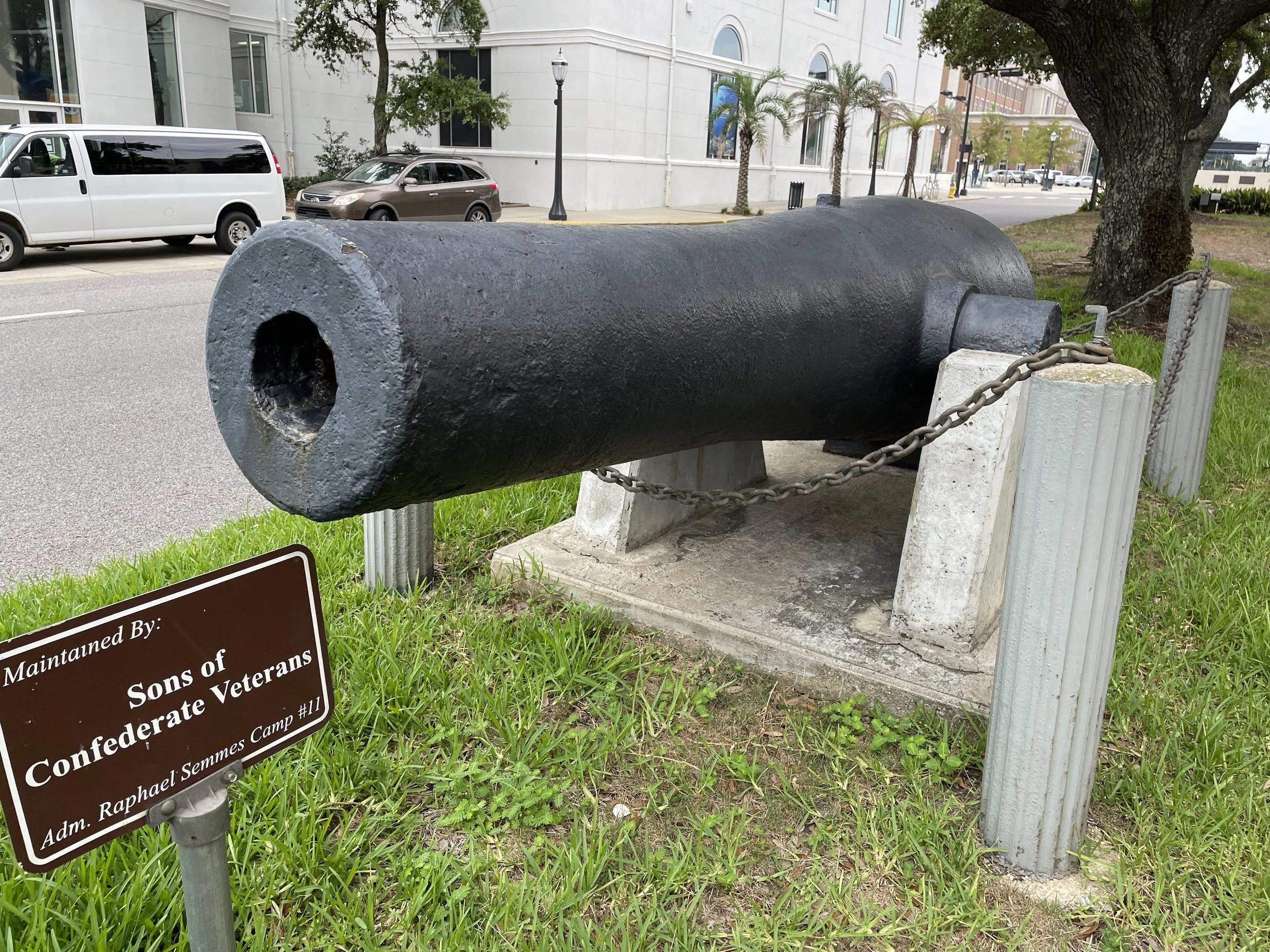
The 6.4-Inch “Columbiad Rifle” of Fort Powell in Mobile
A 6.4-Inch Rifle which in all respects besides its smaller, rifled bore resembles and was made from a 10-Inch Confederate Columbiad may be found in downtown Mobile, Alabama. The cannon was salvaged from the site of Fort Powell which guarded the Mississippi Sound entrance to Mobile Bay.

12-Pounder Boat Howitzer of USS Pittsburg at Vicksburg
US Navy 12-Pounder Dahlgren Boat Howitzer, Heavy, Number 96 is displayed in the museum beside USS Cairo at Vicksburg. As the sign attests, the boat howitzer served aboard USS Cairo’s sister ship USS Pittsburgh. The markings on the tube show a weight of 759 pounds with 65 pounds preponderance (the howitzer is breech-heavy by this amount when placed on its carriage). It was manufactured at the Washington Navy Yard in 1862, and it was inspected and approved for service by John A. Dahlgren himself.
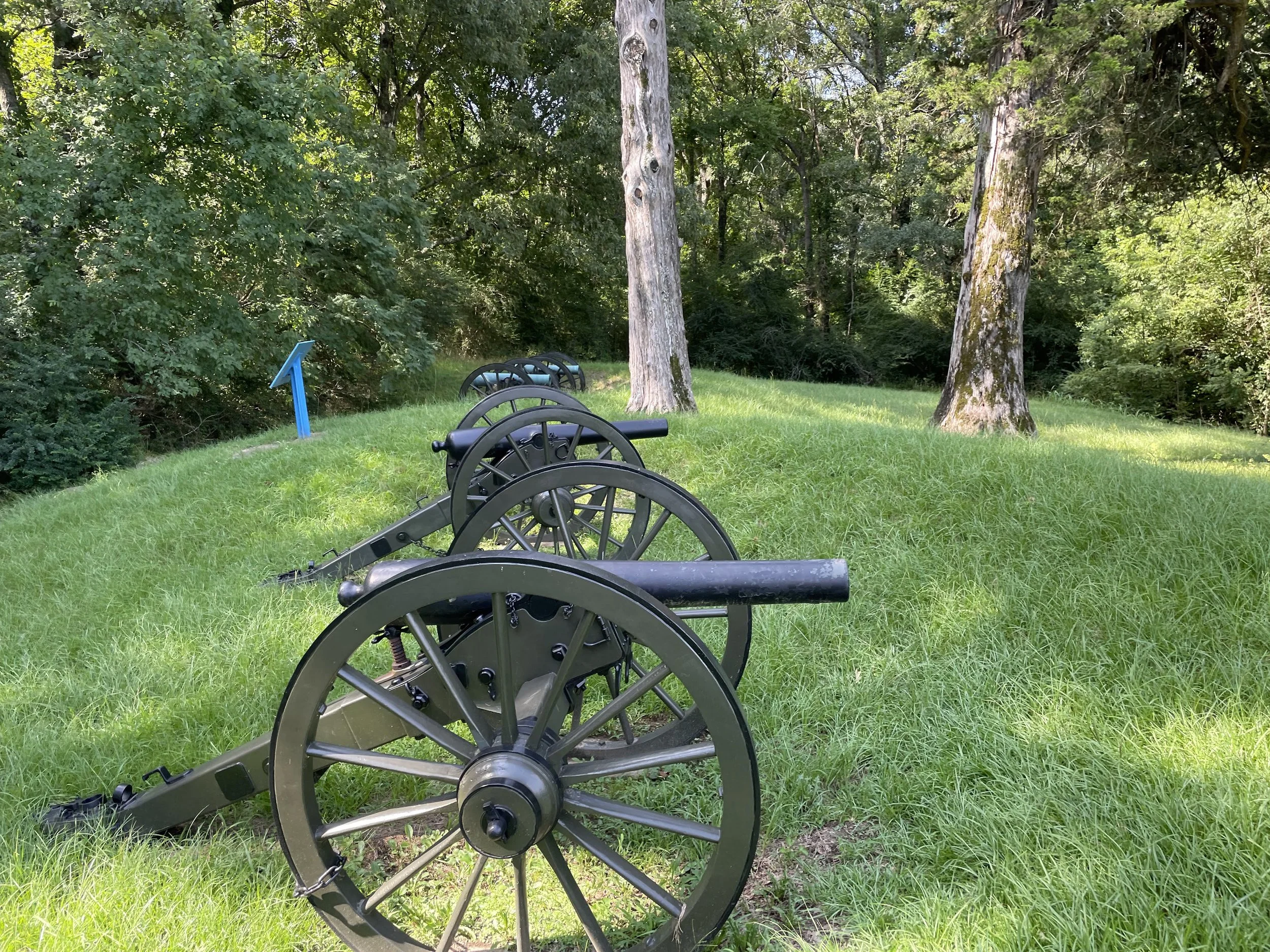
US Army 3-Inch Ordnance Rifles 108 and 336 at Vicksburg
Two US Army 3-Inch Ordnance Rifles are displayed at Vicksburg National Military Park along with two 12-Pounder Howitzers near a sign describing the service of Yost’s Independent Ohio Battery. According to the sign, two 3-Inch Rifles and two 12-Pounders which had been captured at the Battle of Champion’s Hill were turned over to Company F, 32nd Regiment Ohio Volunteer Infantry.
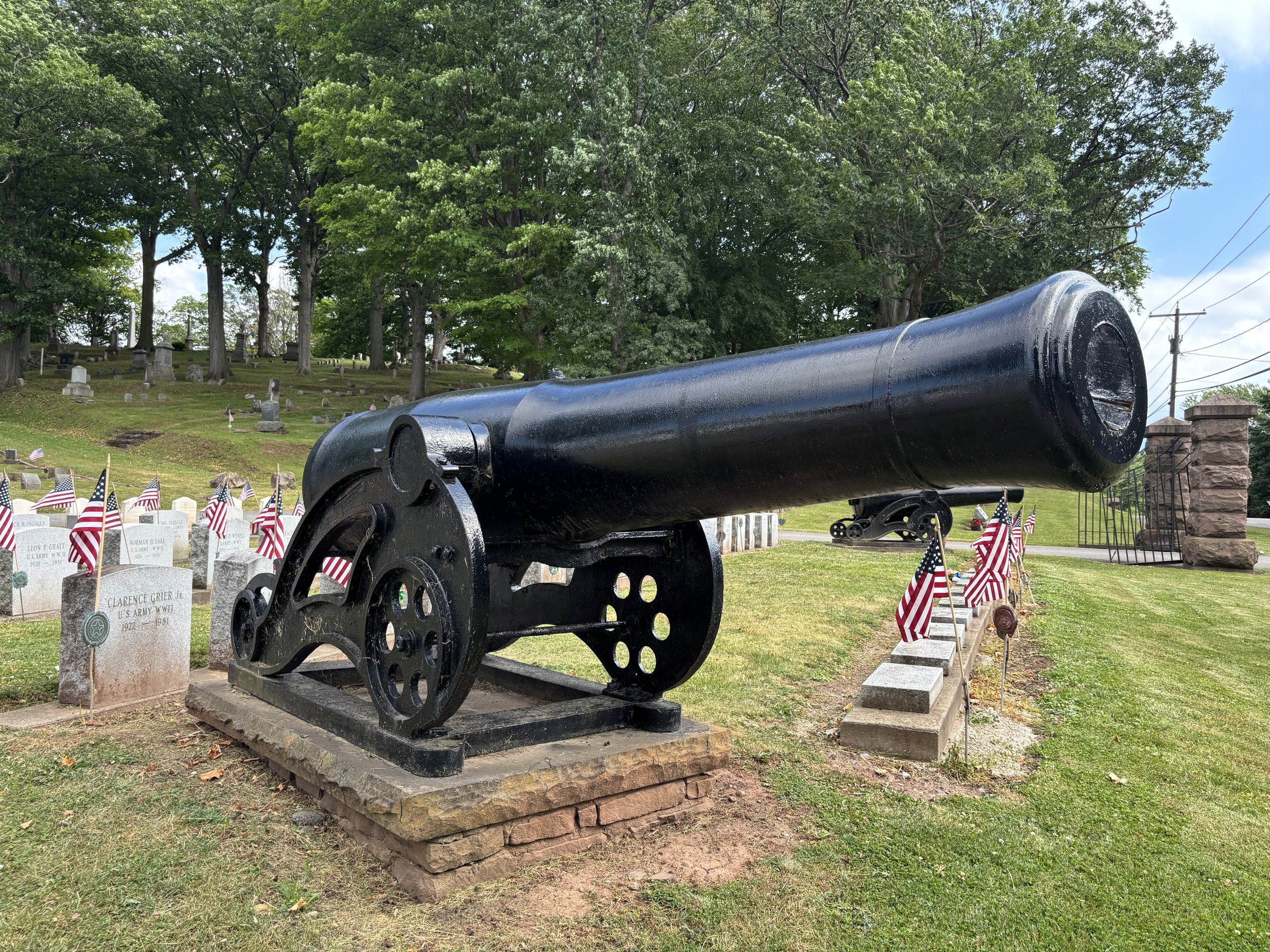
The 8-Inch Columbiads, Pattern 1844, of Medina, New York
Two US Army 8-Inch Columbiads, Pattern 1844, guard the veterans section of and flank the gates to a cemetery in Medina, New York. They are mounted on ornamental iron pedestals which were made to resemble stylized carriages. The two Columbiads, Numbers 83 and 86, were manufactured by the West Point Foundry in 1855.
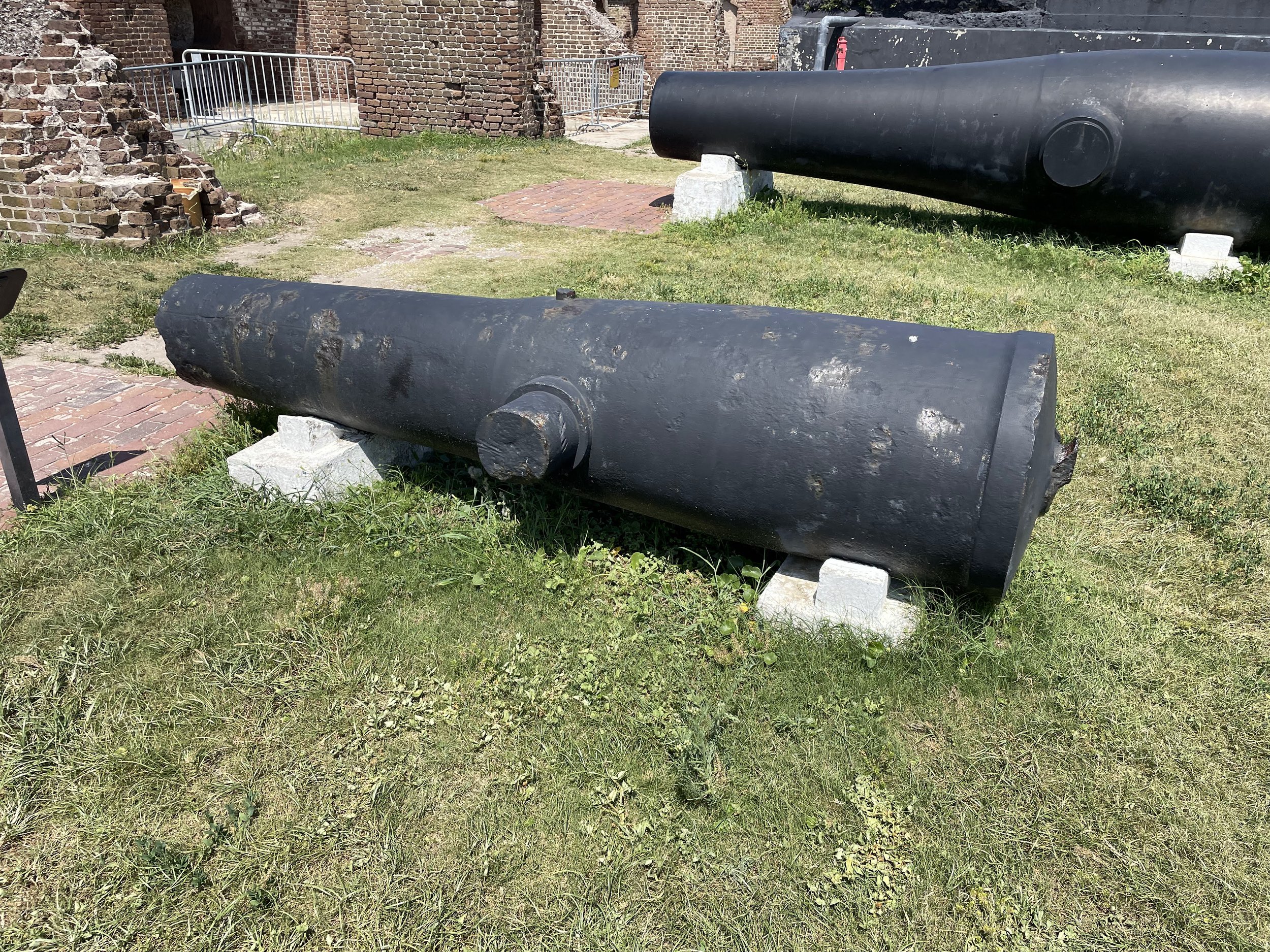
The 8-Inch Columbiad, Pattern 1844, of Fort Sumter
The US Army 8-Inch Columbiad, Pattern 1844, looks almost insignificant at Fort Sumter as it rests between two gargantuan 50,000 pound 15-Inch Rodmans which were brought to the fort in the 1870s. The smaller Columbiad is missing a portion of its muzzle, its right trunnion, and much of its cascabel. It's not mounted on a carriage like the cannons in the casemates. An interpretive sign notes that several of the type were present at the fort in 1861 and that this cannon probably has remained there since then.
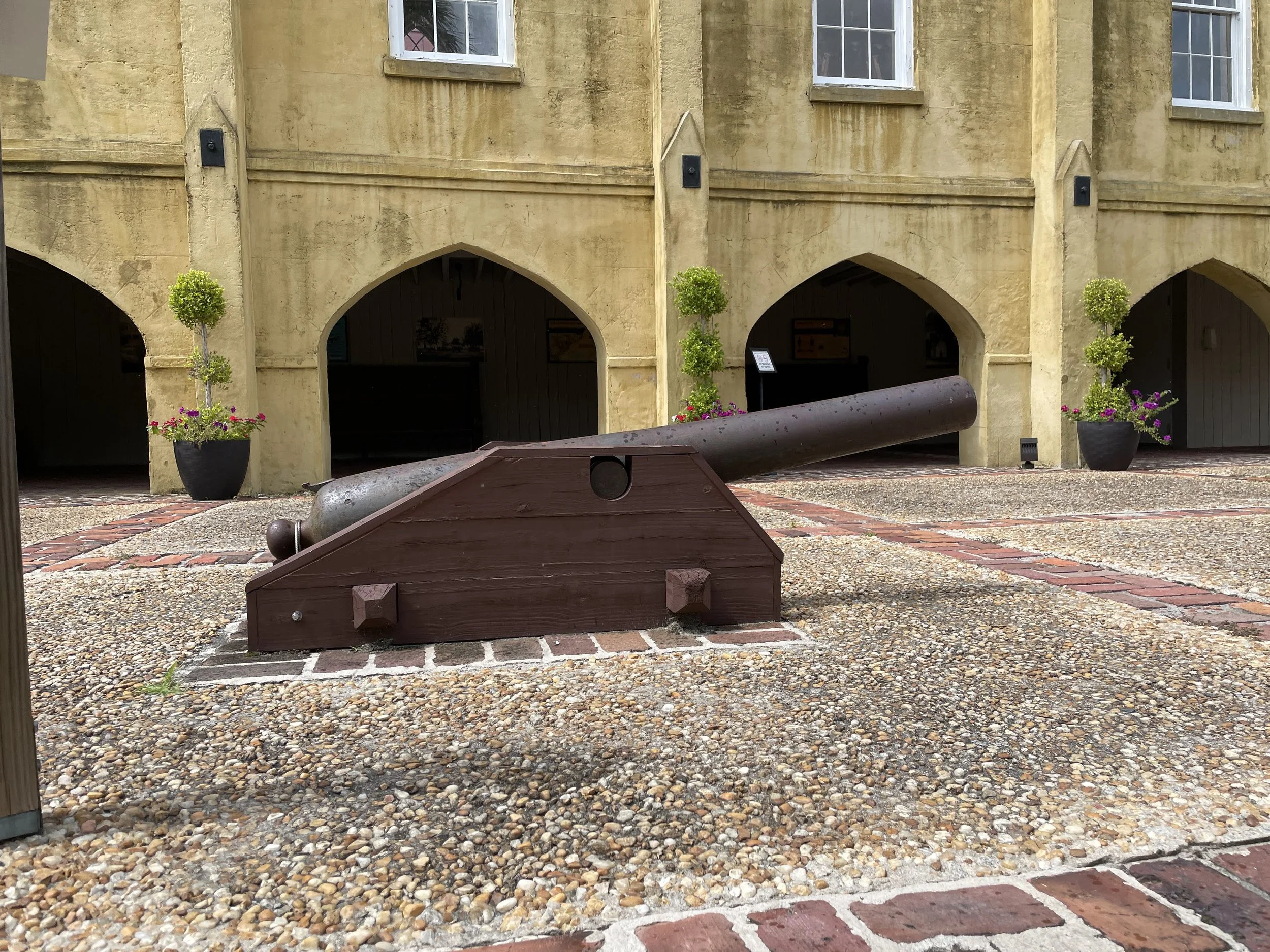
Blakely and Ordinance Rifle at the old Beaufort Arsenal
A US Army 3-Inch Ordnance Rifle (left) and a 3.5-Inch Blakely Rifle are displayed at the Old Beaufort Arsenal in Beaufort, South Carolina. The two cannons are:
3.5-Inch Blakely marked "Blakely's Patent, No. 50, Fawcett, Preston, & Co., Liverpool, Makers, 1862. Ripley categorized this Blakely as a “Type 4”.
US Army 3-Inch Ordnance Rifle Number 265 manufactured in 1862 at the Phoenix Iron Company.