
US Army 42-Pounder, Pattern 1845, in Richmond, Virginia
A US Army 42-Pounder, Pattern 1845, which was banded and rifled by the Confederates is displayed in front of the Confederate Memorial Chapel in Richmond, Virginia.
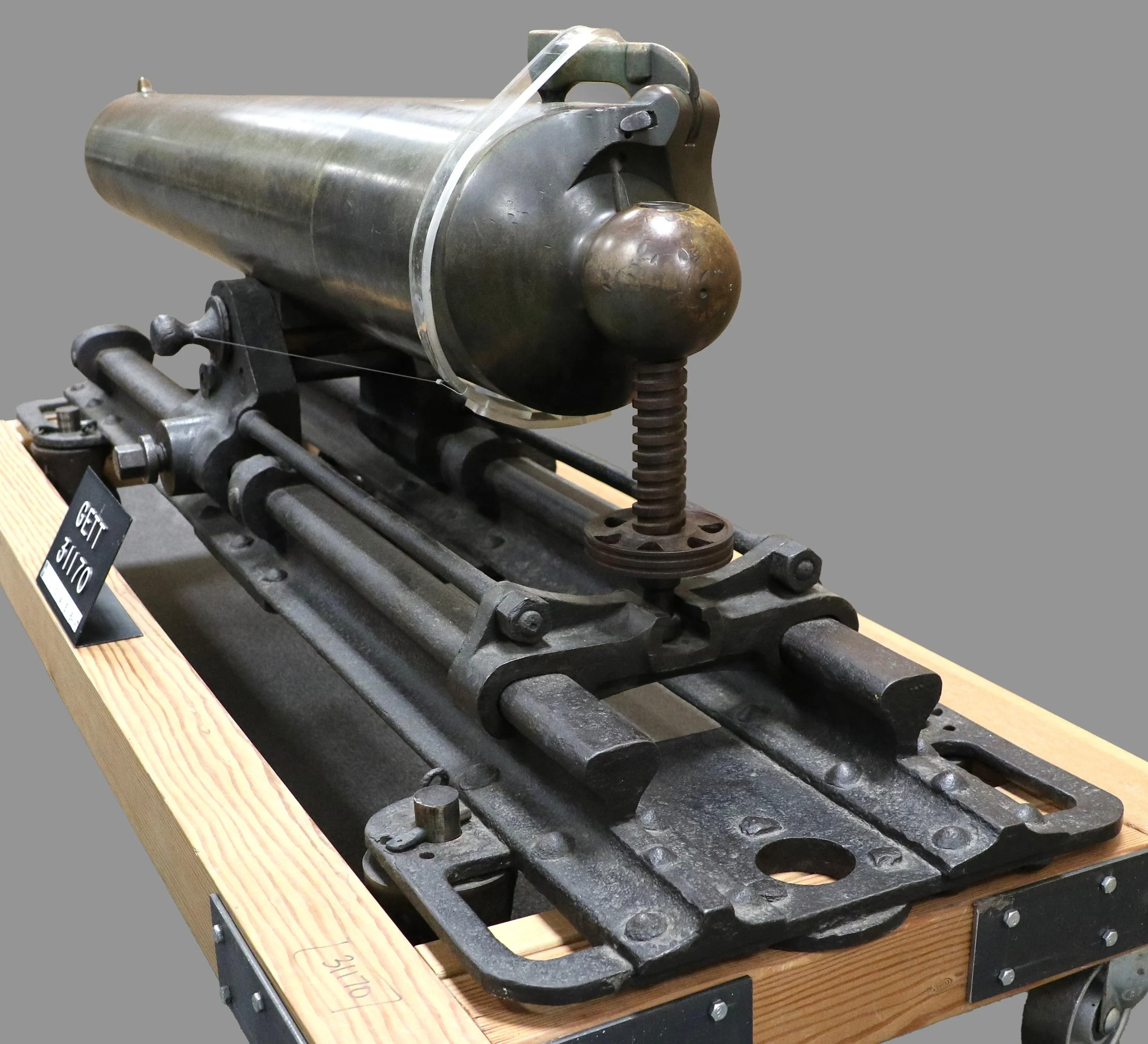
12-Pounder Confederate Boat Howitzer at Gettysburg
A 12-Pounder Confederate Bronze Boat Howitzer, Heavy, is in storage at Gettysburg National Military Park. It bears the Tredegar Foundry Number “1169” on its muzzle
Many thanks to friend of the page Seth Lemley for inquiring about this piece and forwarding the NPS Photos and description.
National Park Service Photos, Gettysburg National Military Park, GETT 31170

7-Inch Double Banded Brooke Rifle S81 at the National Civil War Naval Museum
7-Inch Double Banded Brooke Rifle, S81, is displayed overlooking the Chattahoochee River at the National Civil War Naval Museum. S81 is displayed on “Cannon Row” in front of the museum - giving the visitor the opportunity to compare it to other heavy cannons of the American Civil War.
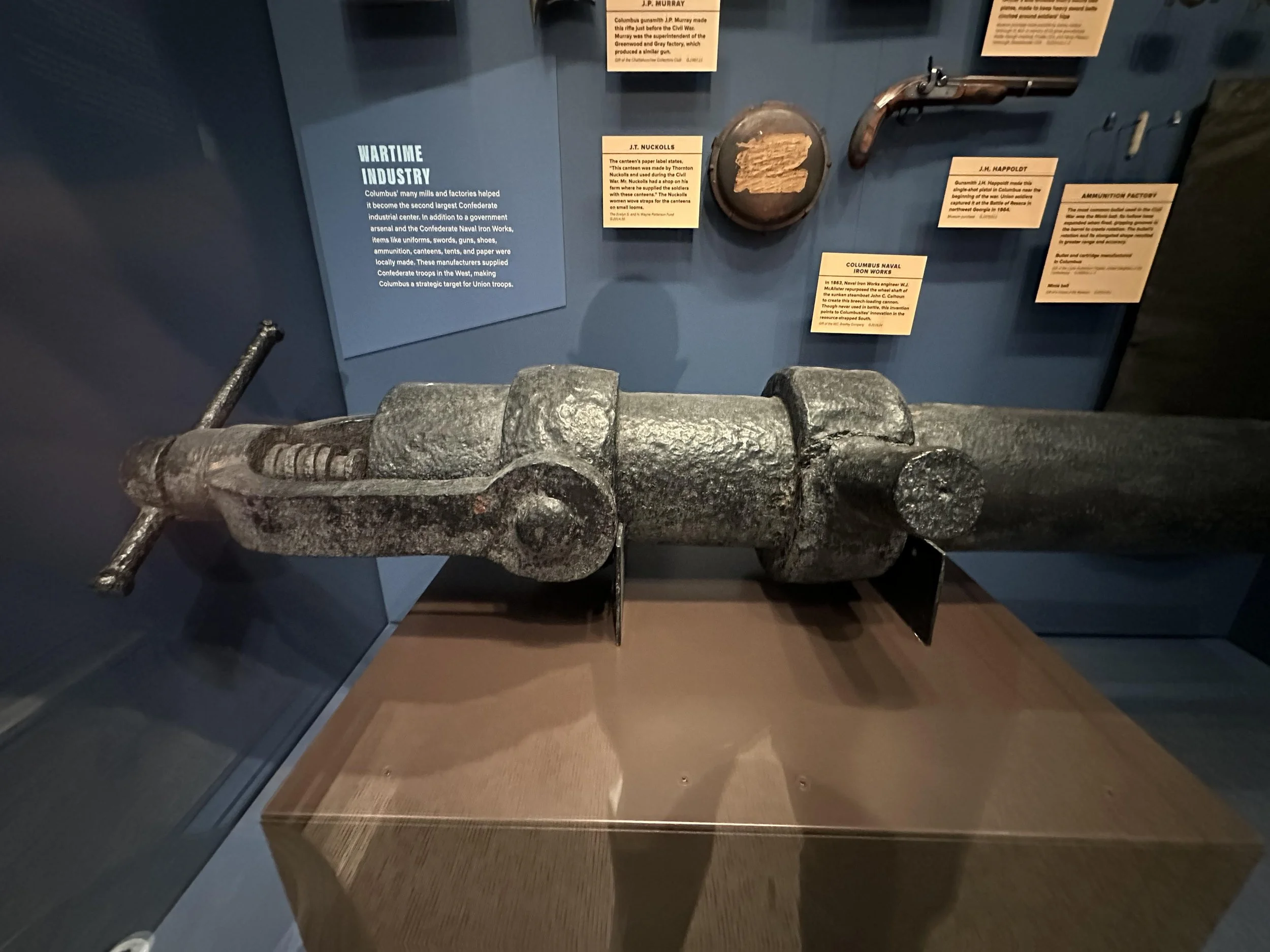
The Breechloading Rifle of Columbus
This little breechloading rifle was manufactured in 1863 by engineer W.J. McAllister using the wheel shaft of the sunken riverboat John C. Calhoun at the Columbus Naval Ironworks Company. Warren Ripley measured the bore at 2.75 inches. Ripley also gives the length overall as 61.25 inches, though he states that this doesn’t include the breechblock link (pg. 181).

10-Inch Brooke Smoothbore S87 at the National Civil War Naval Museum
A 10-Inch Double Banded Brooke Smoothbore, S87, is displayed at the National Civil War Naval Museum in Columbus, Georgia. This gun was cast in 1864 at Selma, Alabama. In November of 1864 it was shipped for delivery to Commodore Ingraham commanding the Charleston Squadron of the Confederate Navy. However, neither this gun nor the 11-Inch Brooke displayed next to it reached Charleston due to transportation disruptions at the end of the war.

7-Inch Double Banded Brooke Rifle S111 at the National Civil War Naval Museum
7-Inch Double Banded Brooke Rifle, S111, is displayed overlooking the Chattahoochee River at the National Civil War Naval Museum. S111 is regularly used for firing demonstrations, and it is likely the heaviest original Civil War artillery piece which is still regularly fired. S111 was cast at the Selma Naval Gun Foundry on November 23rd, 1864.
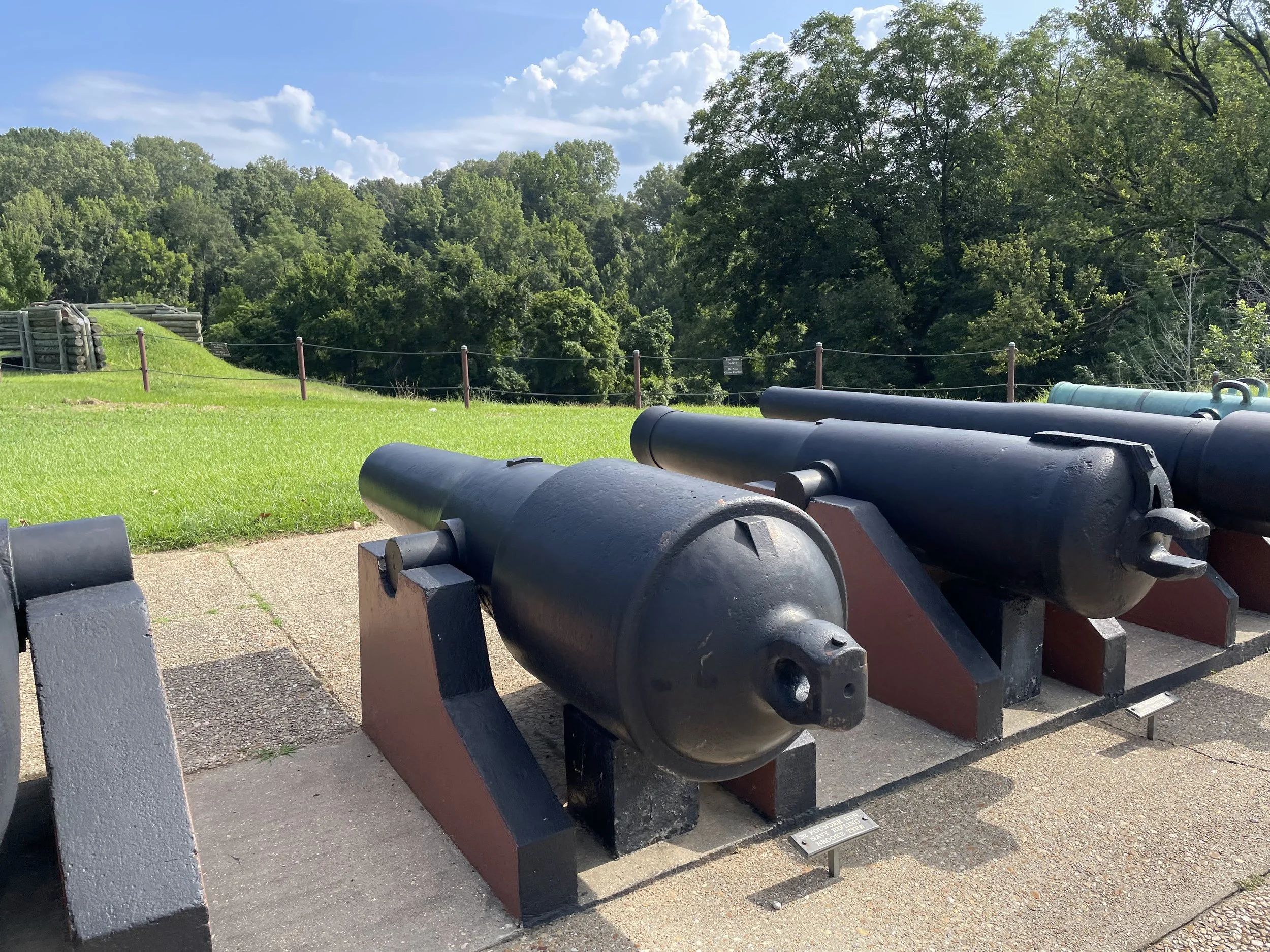
32-Pounder of 57 Hundredweight at Vicksburg
A US Navy 32-Pounder of 57 Hundredweight is displayed on “Cannon Row” at Vicksburg. It’s form present state points to an active career. It was cast as USN Registry Number 647 by Bellona Foundry near Richmond in 1849. During the Civil War it was rifled and banded by the Confederates. It’s muzzle was damaged and then shortened.
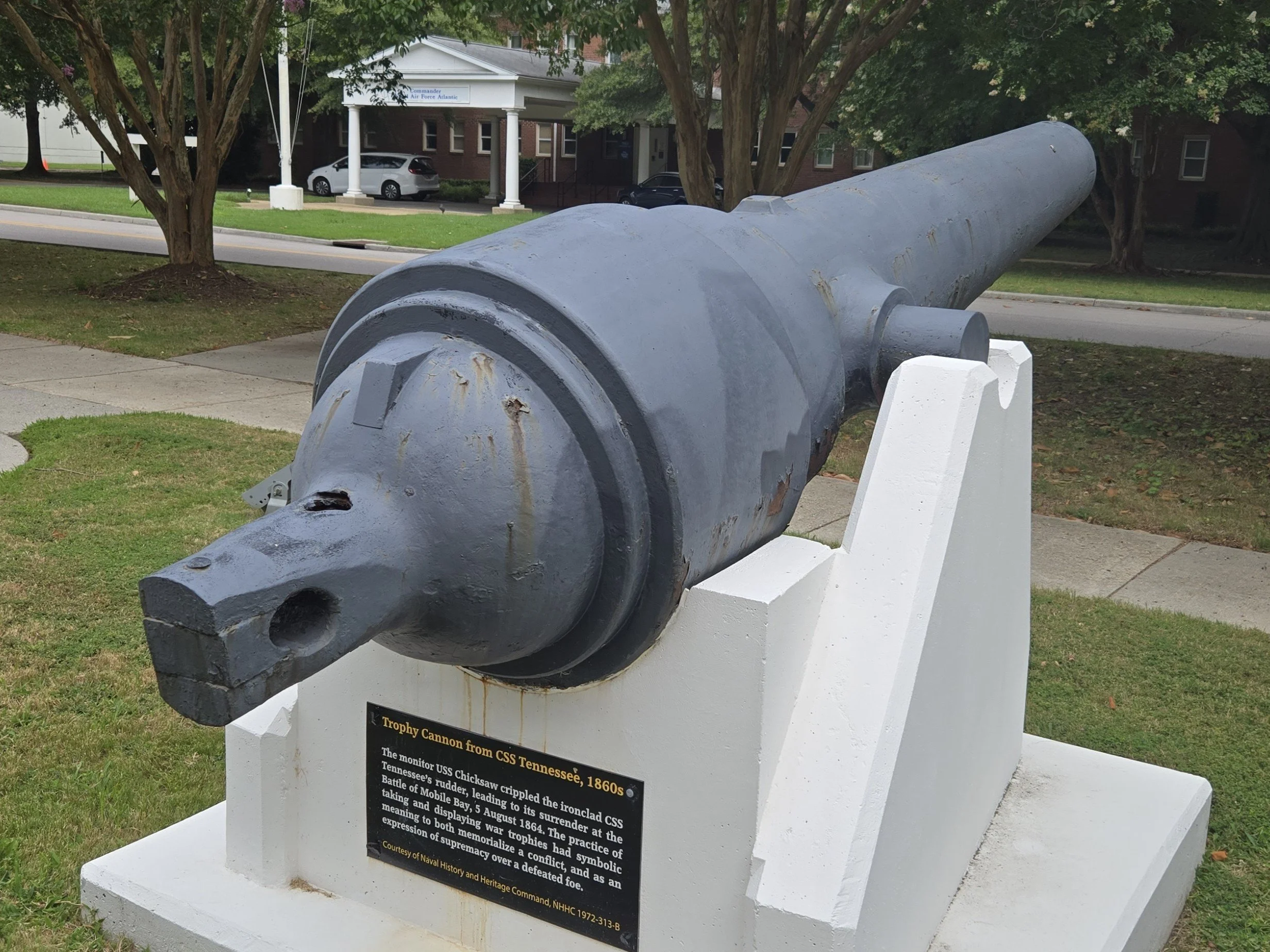
The 6.4-Inch Brooke of CSS Tennessee at Naval Station Norfolk
A 6.4-Inch Brooke Rifle which was captured aboard CSS Tennessee is displayed at Naval Station Norfolk alongside an identical 6.4-Inch Brooke from CSS Albemarle.
The Tennessee Brooke was manufactured at Tredegar in June 1863 and was sent to Richmond Naval Ordnance Words for banding and rifling in August of 1863. Its registry number is 49 and its Tredegar Foundry Number is 1853 (Olmstead et al. pg. 219).
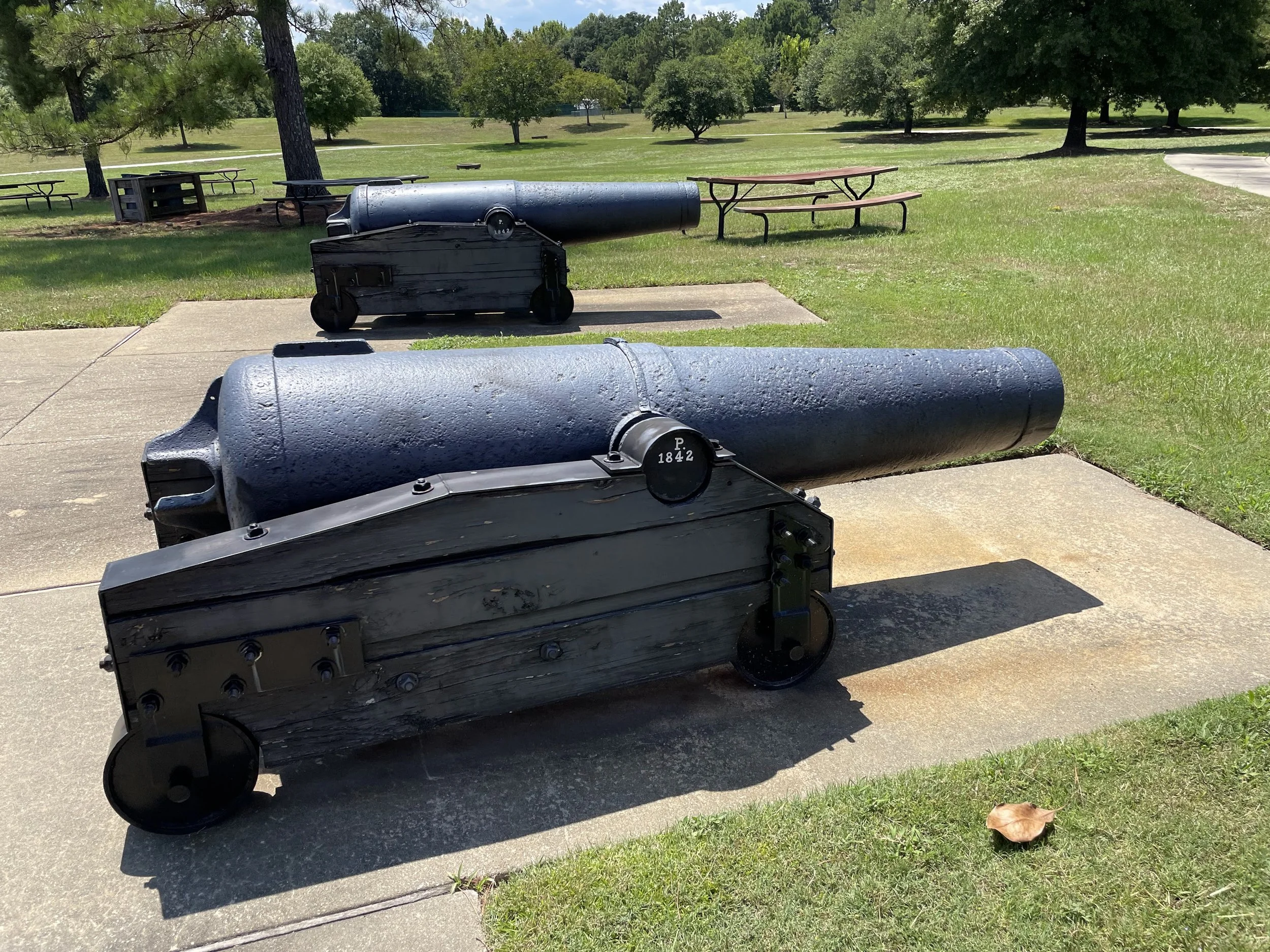
The 32-Pounders of 41 Hundredweight of USS Saratoga and CSS Chattahoochee
Two US Navy 32-Pounders of 41 Hundredweight are displayed at the National Civil War Naval Museum in Columbus, Georgia. These two chambered cannon were cast at Cyrus Alger and Company in 1842 for use aboard the sloop of war USS Saratoga. They were subsequently used aboard CSS Chattahoochee.
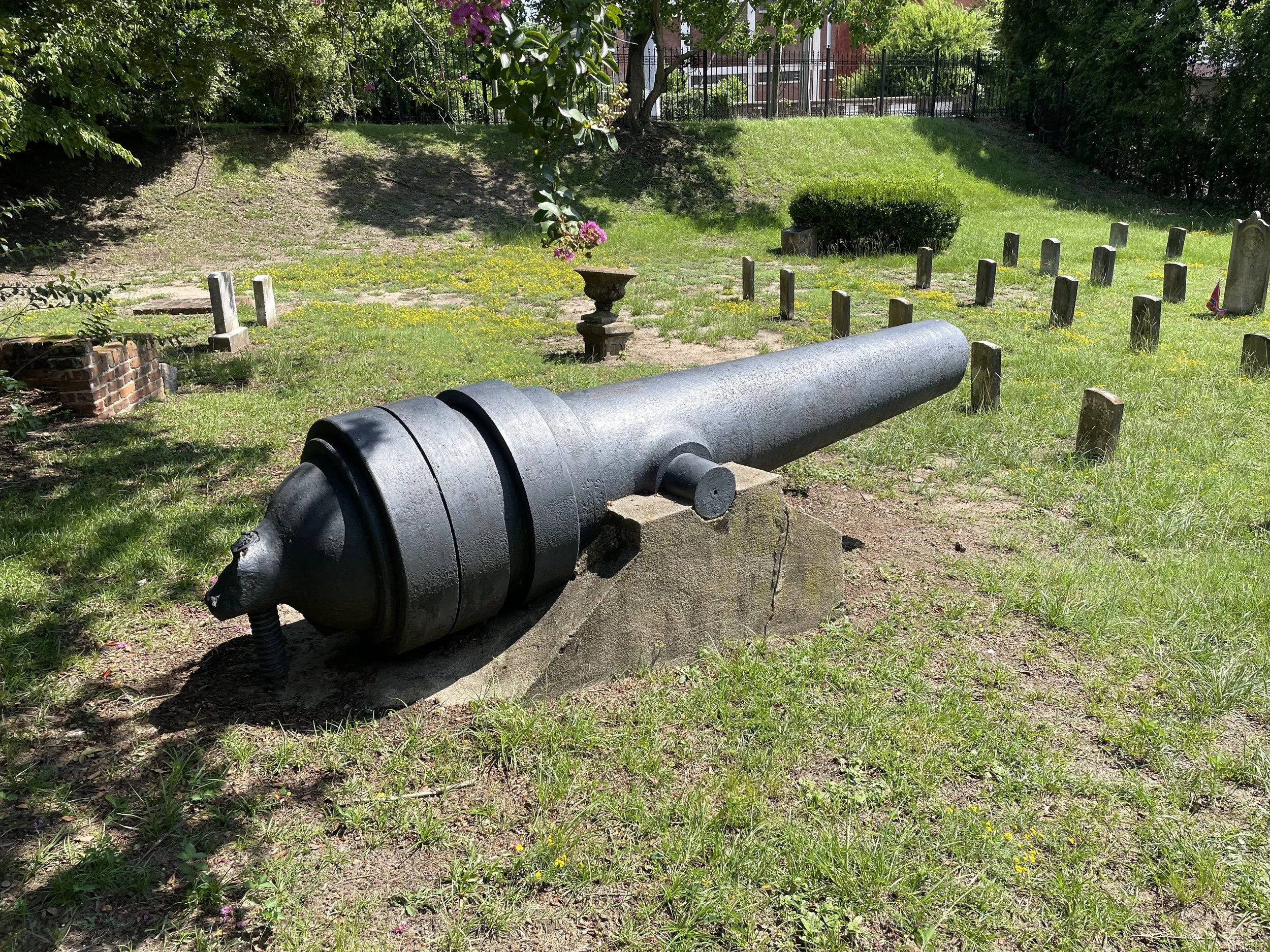
6.4-Inch Brooke Rifle, S85, at Linwood Cemetery, Columbus, Georgia
6.4-Inch Brooke Rifle S-85 is mounted at Linwood Cemetery in Columbus, Georgia overlooking a section of Civil War graves. This Brooke was manufactured at the Selma Naval Gun Foundry in Selma, Alabama in 1864-1865. In March of 1865 it was sent to Columbus, Georgia to become part of the armament of the ironclad ram CSS Jackson which had been launched in December 1864. However, CSS Jackson would be captured by United States Army Cavalry under Major General James Wilson in April 1865 following the Battle of Columbus, one of the last battles of the American Civil War.
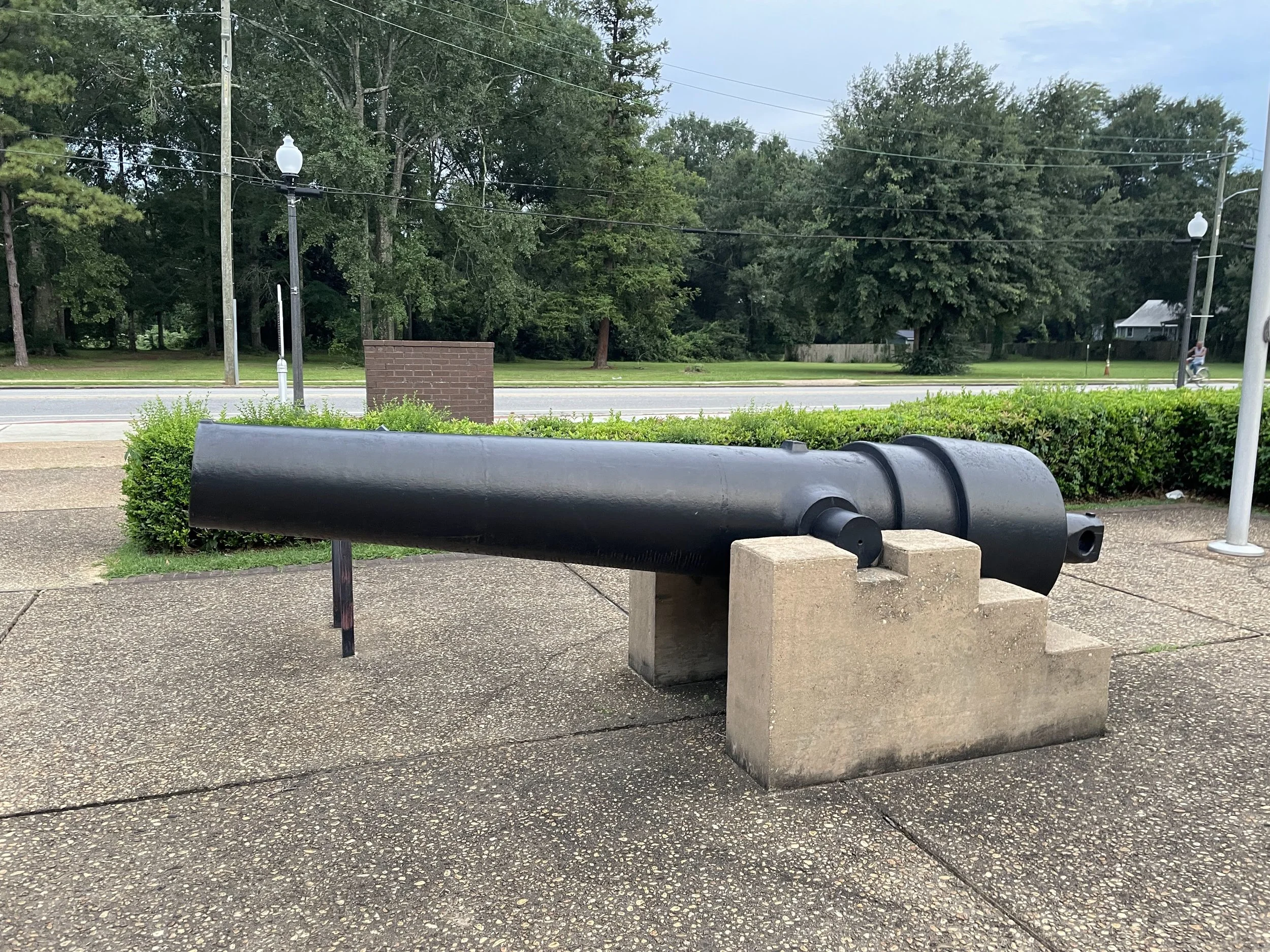
The 6.4-Inch Brooke Rifle of Jackson, Alabama
A 6.4-Inch Brooke Rifle cast at Selma in 1864 is displayed at Jackson, Alabama. It was cast on August 9th, 1864 and delivered to Mobile on December 21st, 1864 (see Daniel & Gunter, pg. 83). According to the historical marker placed next to the cannon, S96 was mounted at Oven Bluff on the Tombigbee River.
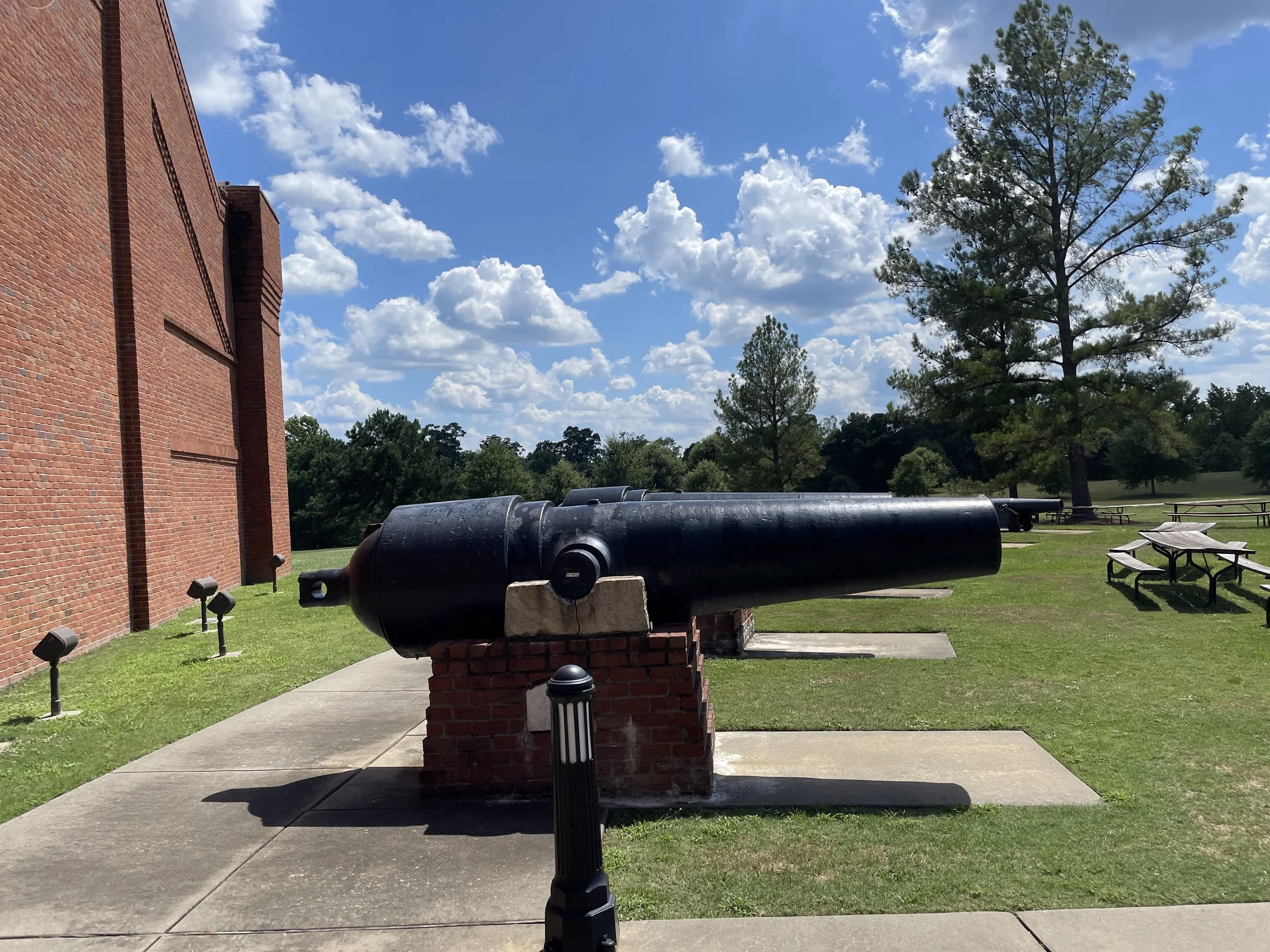
11-Inch Brooke Smoothbore at the National Civil War Naval Museum
The largest and heaviest surviving cannon produced by the Confederacy is an 11-Inch Double Banded Smoothbore S97 displayed at the National Civil War Naval Museum in Columbus, Georgia. S97 was cast at Selma, Alabama in 1864. As manufactured it weighed 23,593 pounds. It was cast on August 10th, 1864. It was intended to be sent to Charleston.
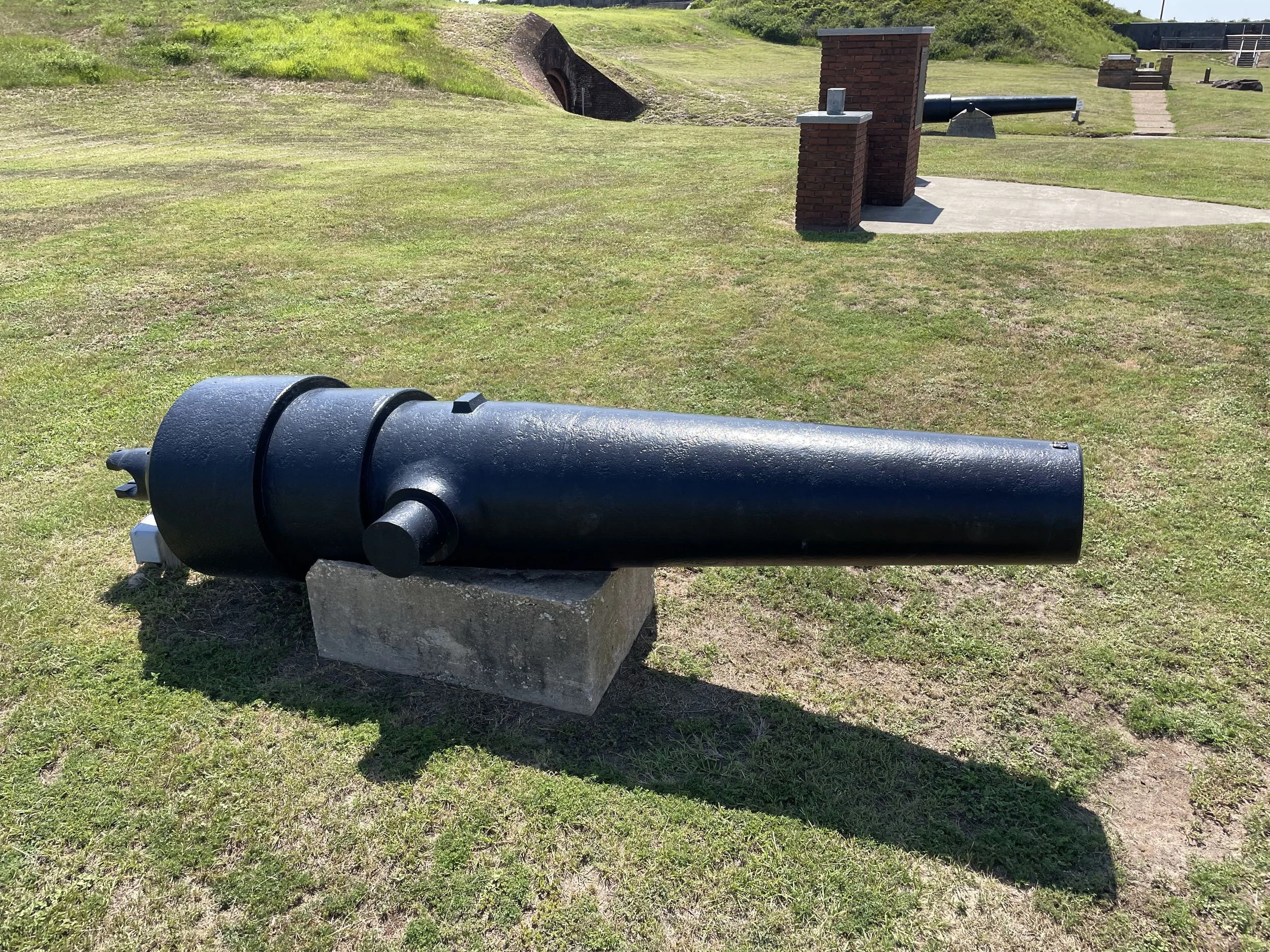
The 7-Inch Brooke Rifle of Fort Morgan
7-Inch Double Banded Brooke Rifle "S89" is displayed at Fort Morgan, Alabama. Cast at Selma, Alabama in July of 1864, it was delivered to Mobile in January of 1865. A nearby interpretive sign explains that it was mounted in a fortification north of Mobile. It is stamped with its "as manufactured" weight of 14,800 pounds.
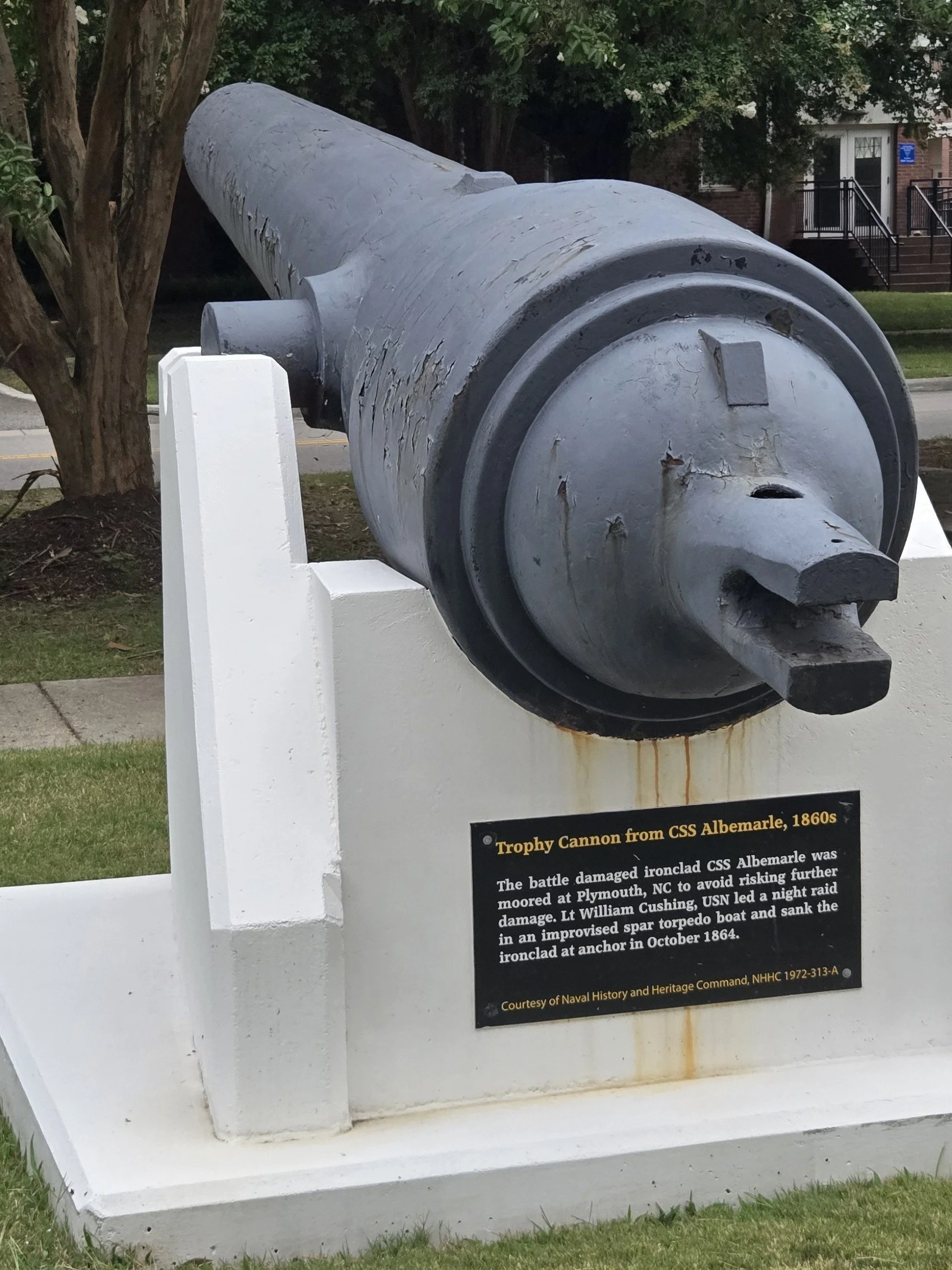
The 6.4-Inch Brooke of CSS Albemarle at Norfolk
A 6.4-Inch Brooke Rifle carried aboard CSS Albemarle is displayed at Naval Station Norfolk flanking a flagpole with another 6.4-Inch Brooke which was carried aboard CSS Tennessee. This Brooke likely was carried by CSS Albemarle during the Battle of Plymouth and Battle of Albemarle Sound in 1864.
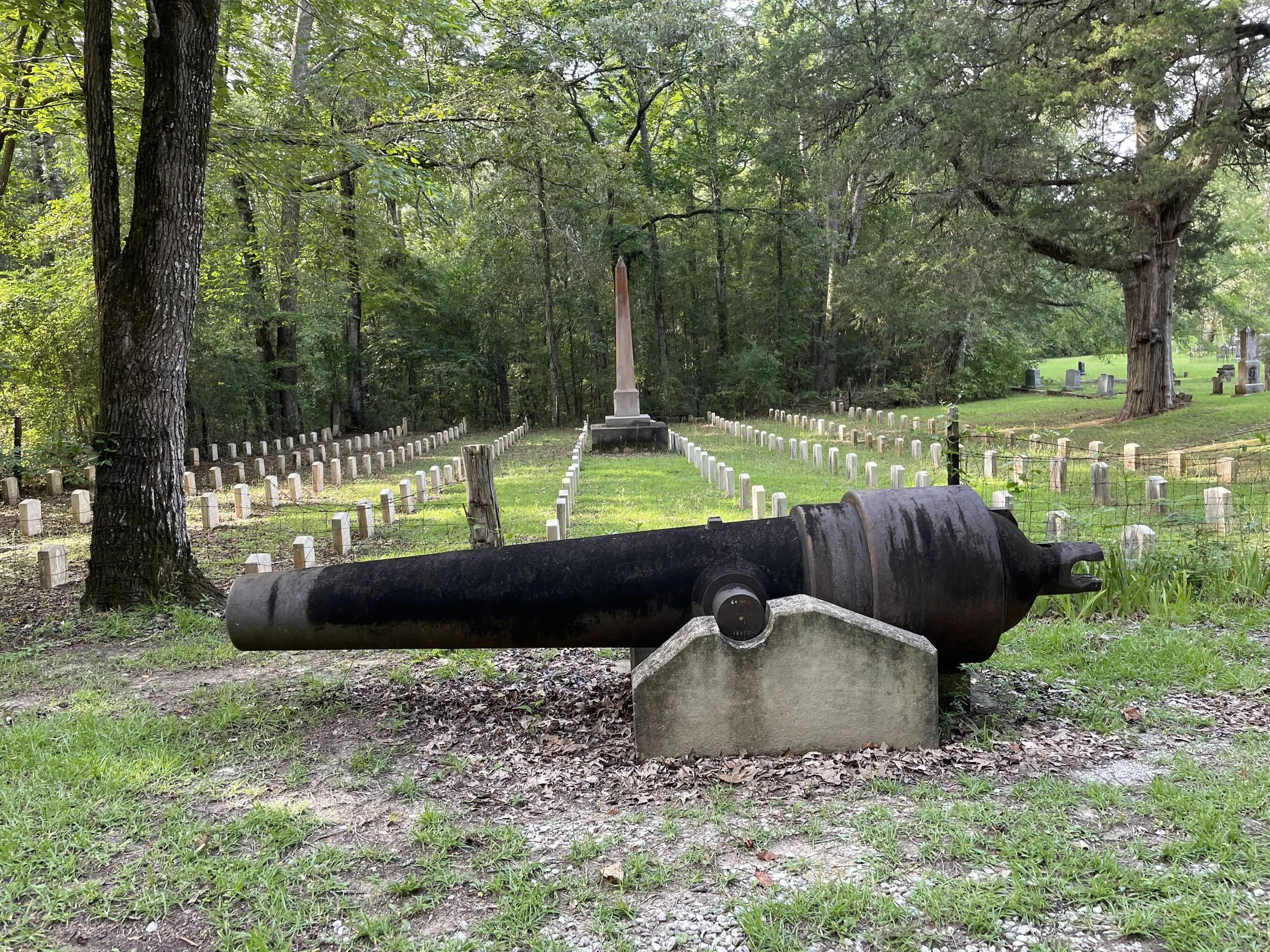
8-Inch Brooke Smoothbore, S-26, at Gainesville, Alabama
An 8-Inch Double Banded Brooke Smoothbore, S26, manufactured at the Selma Naval Gun Foundry in 1863-1864 may be found beside the Old Cemetery in Gainesville, Alabama. S26 was cast as a 6.4-Inch Brooke Rifle. According to Messers Olmstead, Stark, and Tucker, S26 was one of three blocks (raw castings) intended to be produced as 6.4-inch rifles which encountered difficulties during machining but were successfully salvaged as 8-inch smoothbores. S26 is the only survivor of the three Selma produced 8-Inch Brooke Smoothbores.
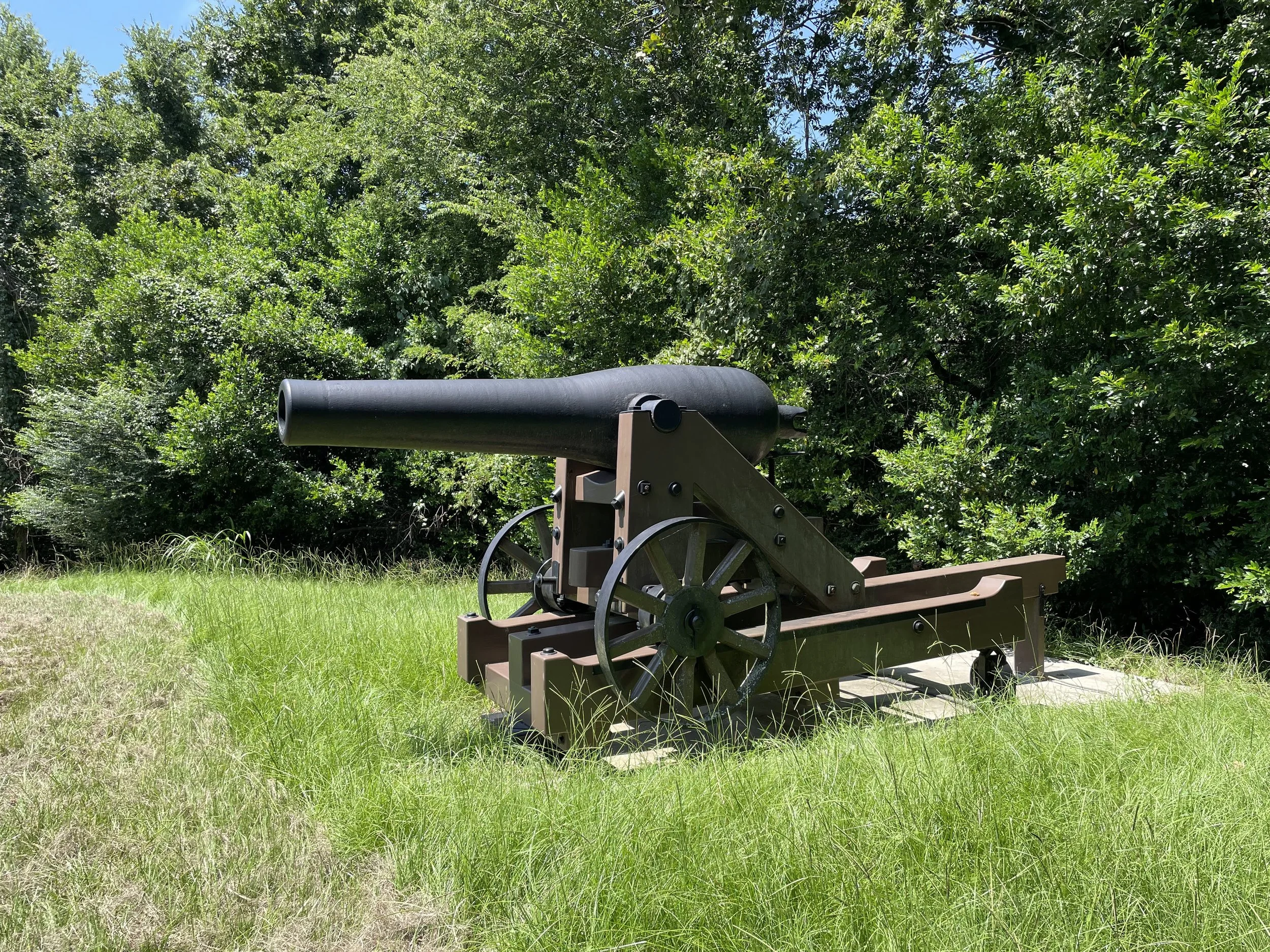
9-Inch “Confederate Dahlgren” at Vicksburg
A 9-Inch Naval Shell Gun cast at Bellona Foundry in 1862 is displayed behind the Mississippi Monument at Vicksburg. This shell gun generally follows the shape of US Navy 9-Inch Dahlgrens and may be called a “Confederate Dahlgren.”
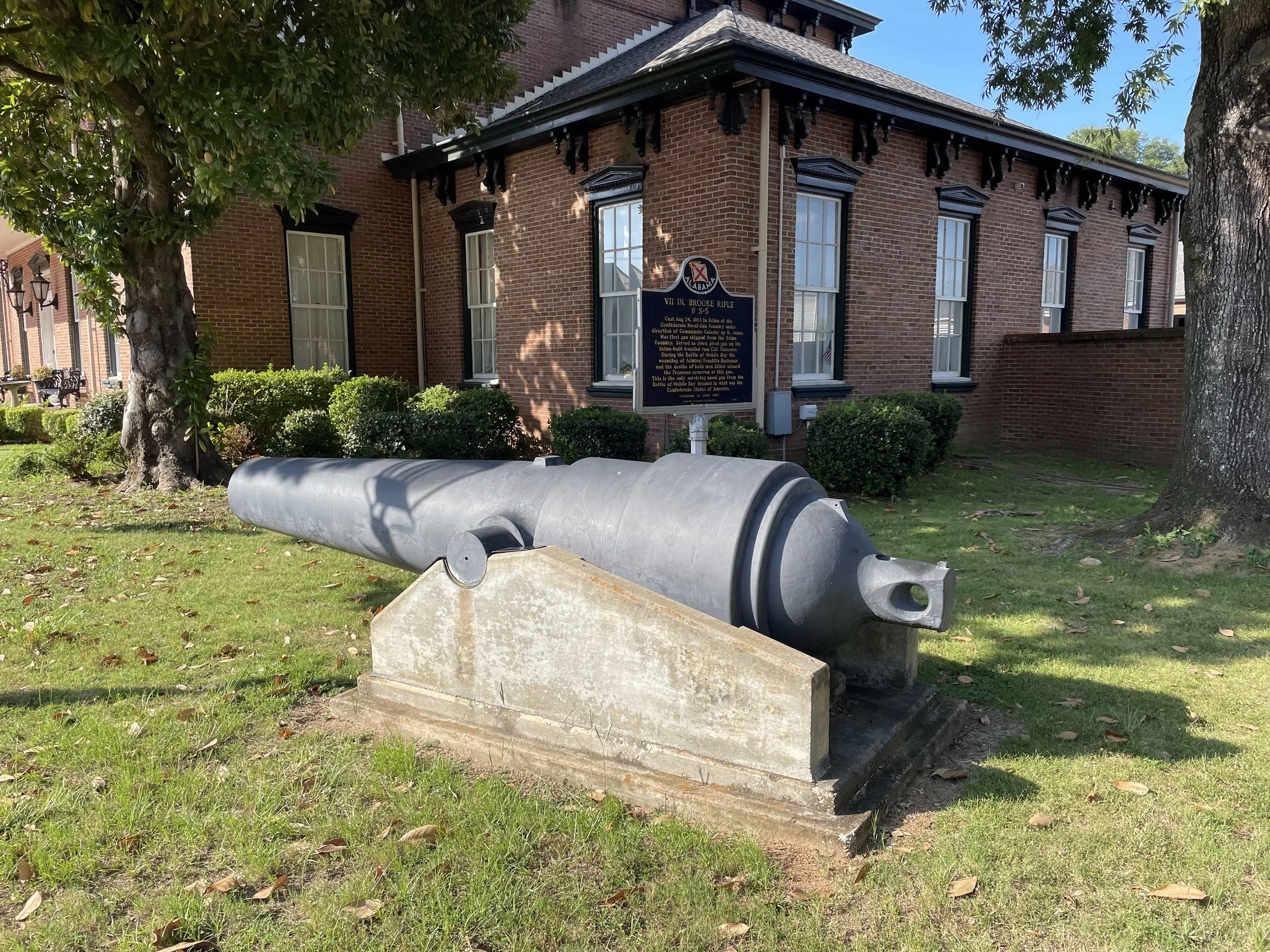
7-Inch Brooke Rifle, S-5, of CSS Tennessee in Selma, Alabama
One of CSS Tennessee’s 7-Inch Double Banded Brooke Rifles, S-5, is displayed at beside the City Hall of Selma, Alabama. This cannon was manufactured by the Selma Naval Gun Foundry in 1863. It was captured during the Battle of Mobile Bay on August 5th, 1864.

The 7-Inch Blakely of CSS Alabama
CSS Alabama carried two heavy pivot guns: a 68-Pounder Smoothbore and a 7-Inch (or 110-Pounder) Blakely Rifle as well as six 32-pounder broadside guns. The Blakely was recovered from her wreck in 1994 and is displayed at La Cité de la Mer Museum and Aquarium in Cherbourg, France. The cannon is displayed above the remains of its original wooden carriage and with other artifacts related to the ship.

The 6.25-Inch Rifle of CSS Florida at the Washington Navy Yard
A British manufactured 6.25-Inch Rifle captured aboard CSS Florida is displayed at the Washington Navy Yard. According to John C. Reilly's "The Iron Guns of Williard Park", the breech is engraved with the words "32-Pdr Rifled from Anglo-Rebel Pirate Florida." The left trunnion is stamped "Low Moor, 10666".

The 24-Pounder Howitzer of CSS Georgia
An iron 24-Pounder Howitzer cast in 1862 by A. N. Miller in Savannah, Georgia is displayed at Old Fort Jackson near Savannah. The tube was recovered from the wreck of CSS Georgia in 1984 by the U.S. Army Corps of Engineers. It weighs roughly 1,500 pounds and is displayed upon a naval carriage. It is the only example of its type known to exist.