US Army 10-Inch Rodmans of Lowell, Massachusetts
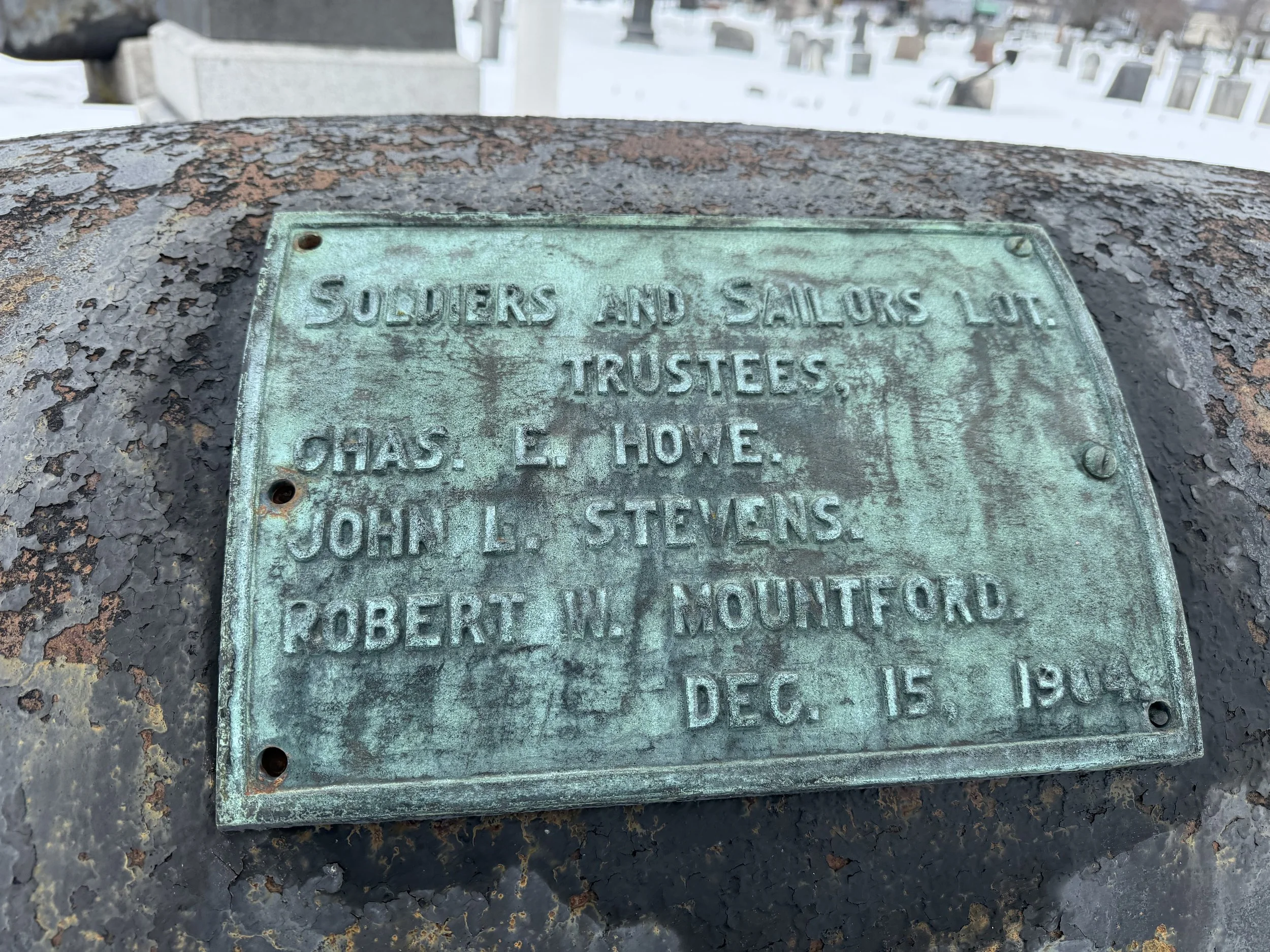
Two US Army 10-Inch Rodmans are displayed at Edson Cemetery in Lowell, Massachusetts
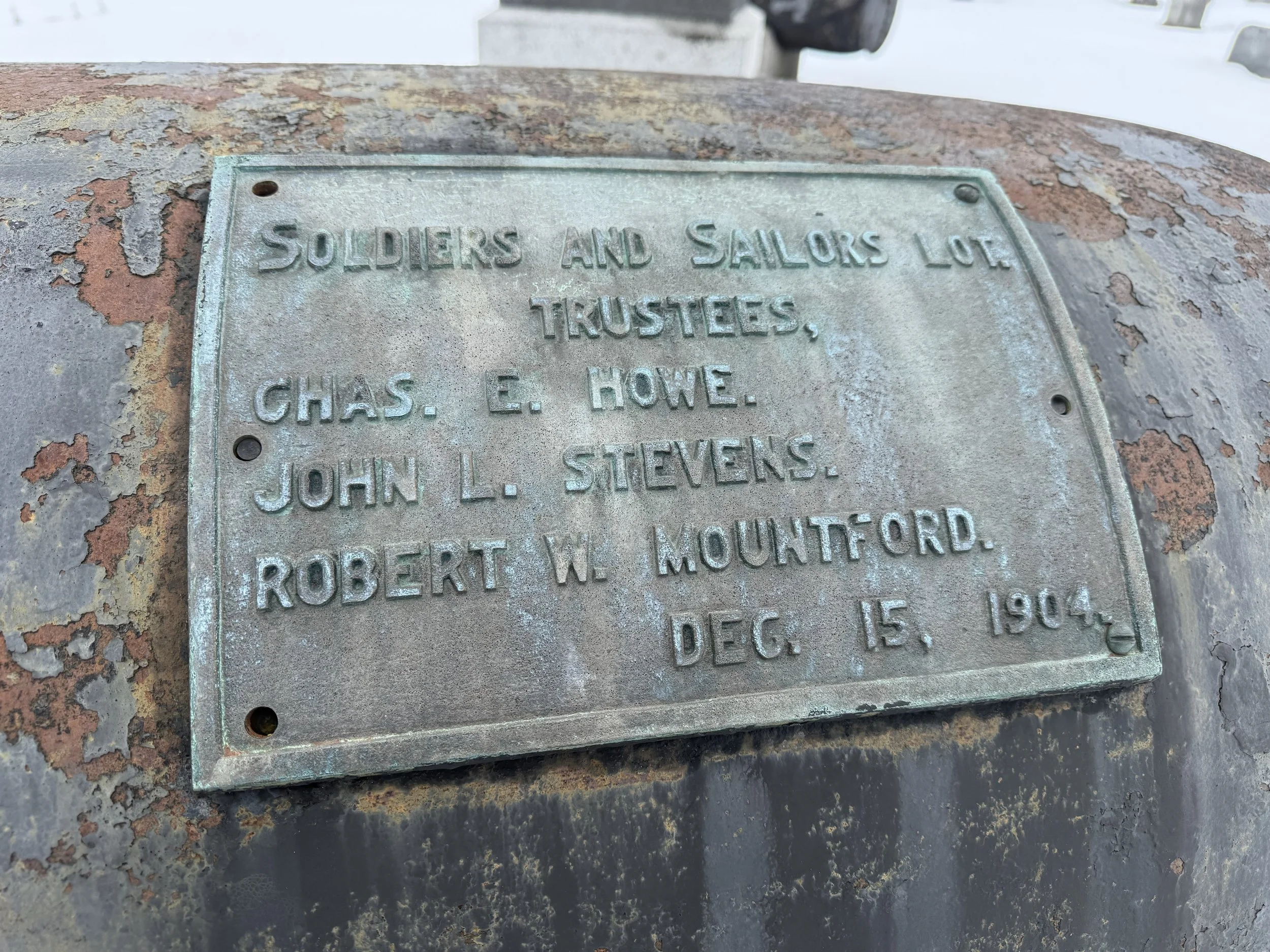
Two US Army 10-Inch Rodmans are displayed at Edson Cemetery in Lowell, Massachusetts. They are displayed near a monument to veterans. Unfortunately, they are in a rather poor state at the moment.
Many thanks to friend-of-the-page James Murray for taking and sharing these photos!
Their information (from the registry as the markings are covered by paint) is:
10-Inch Rodman manufactured at Seyfert, McManus, and Co. (Registry Number 79) in 1866. Weight as manufactured: 15,148 pounds.
10-Inch Rodman manufactured by Fort Pitt Foundry (Registry Number 632) in 1866. Weight as manufactured: 14,965 pounds.
The Lowell Rodmans
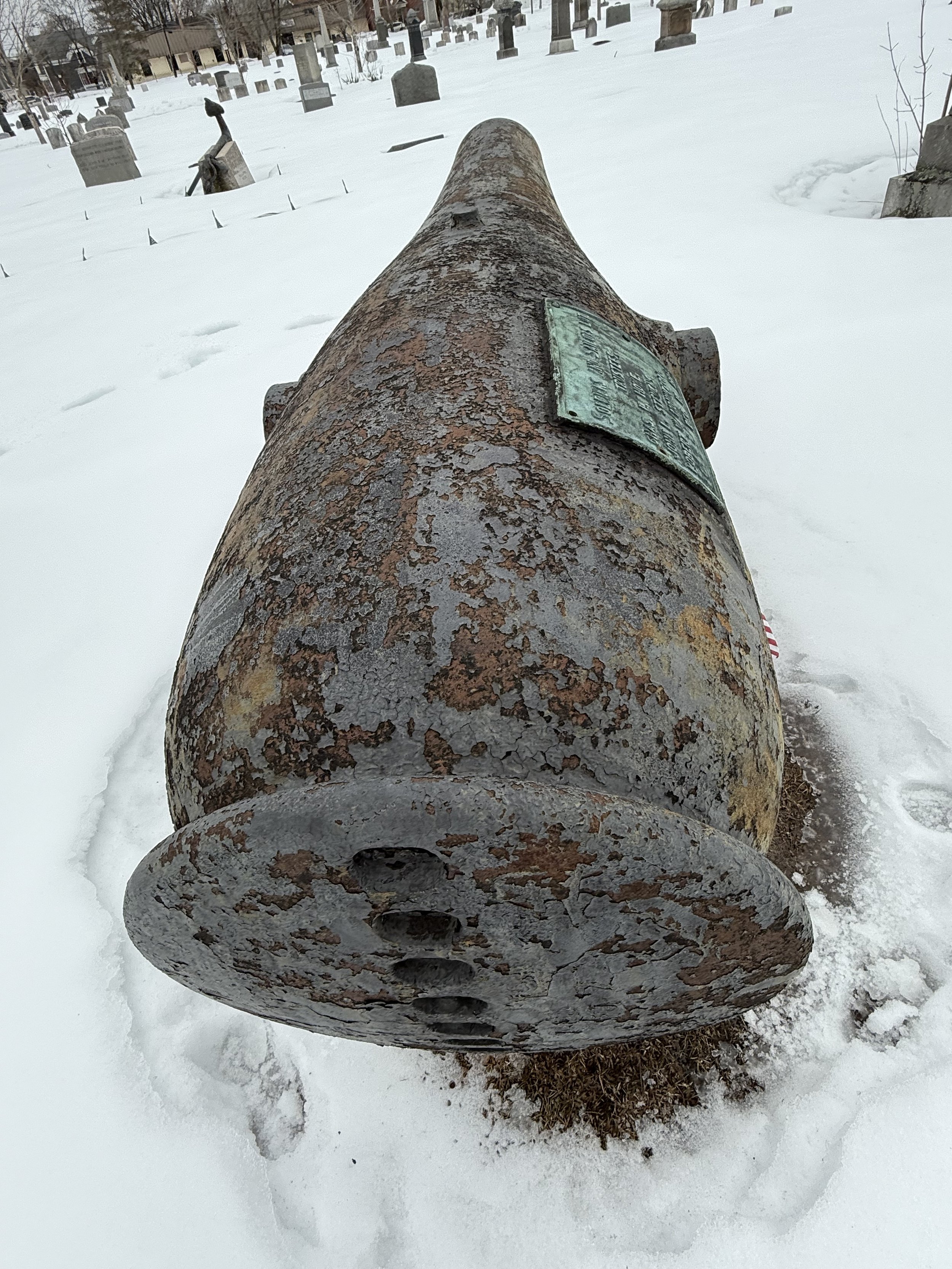
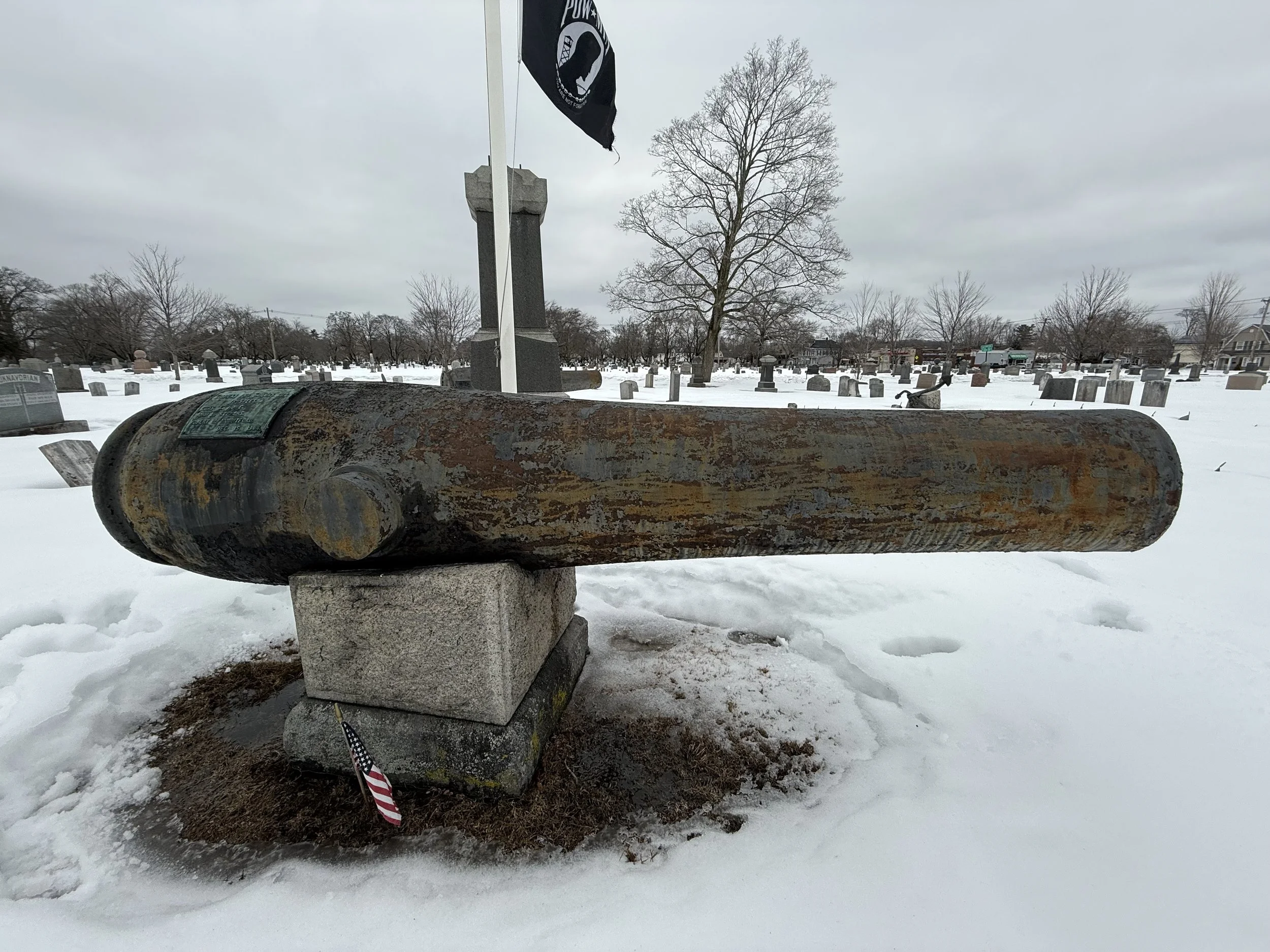

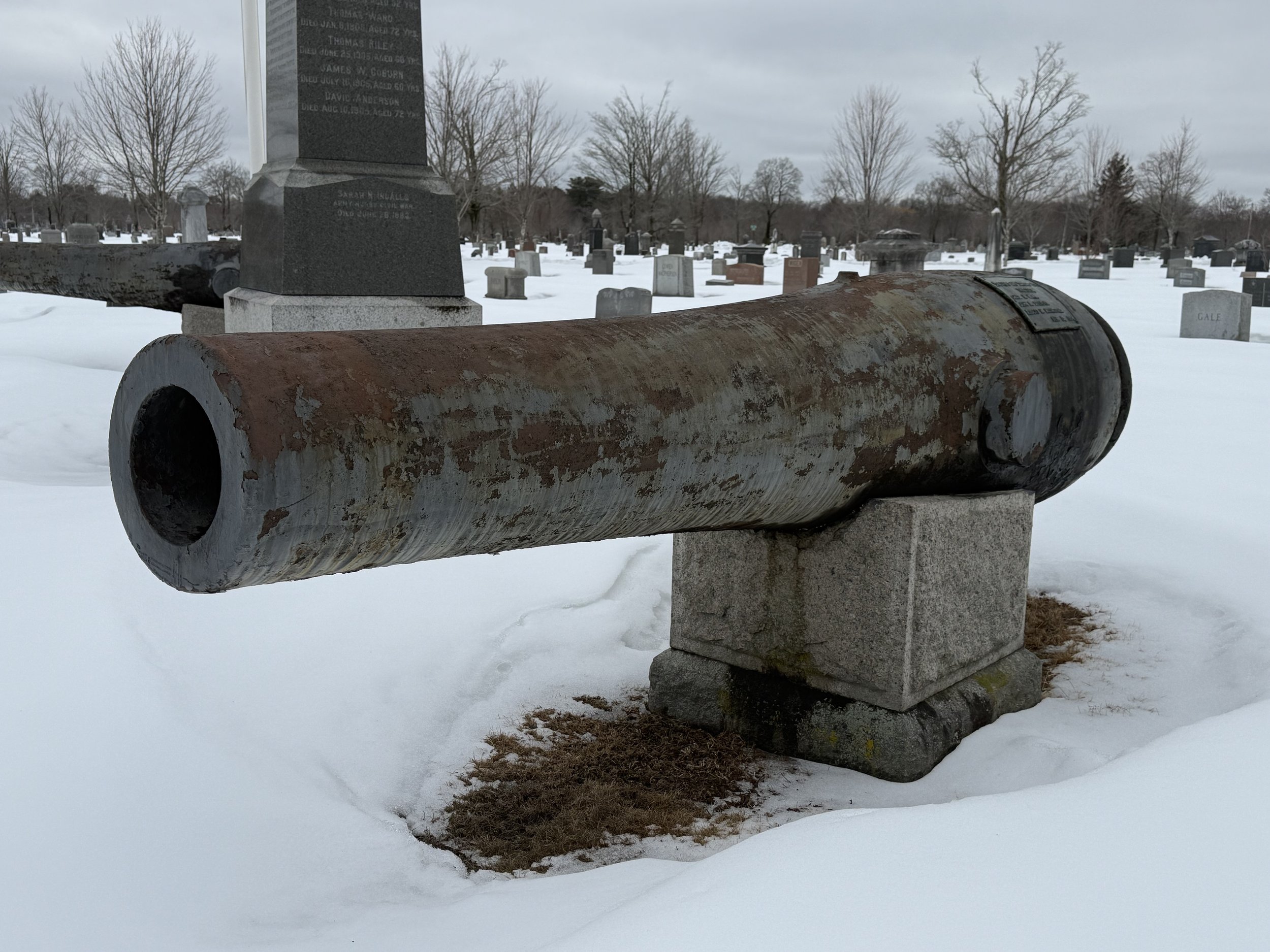
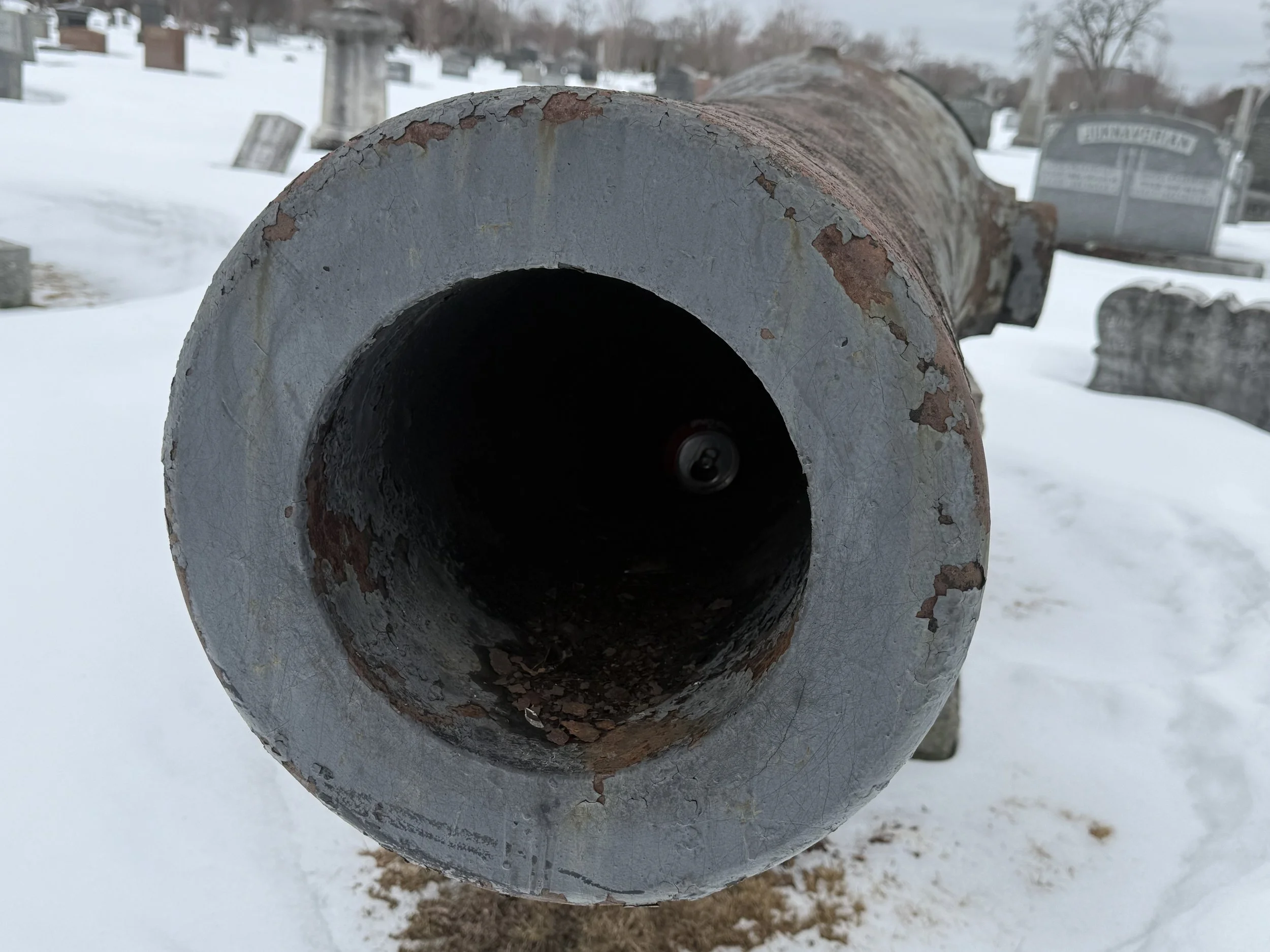
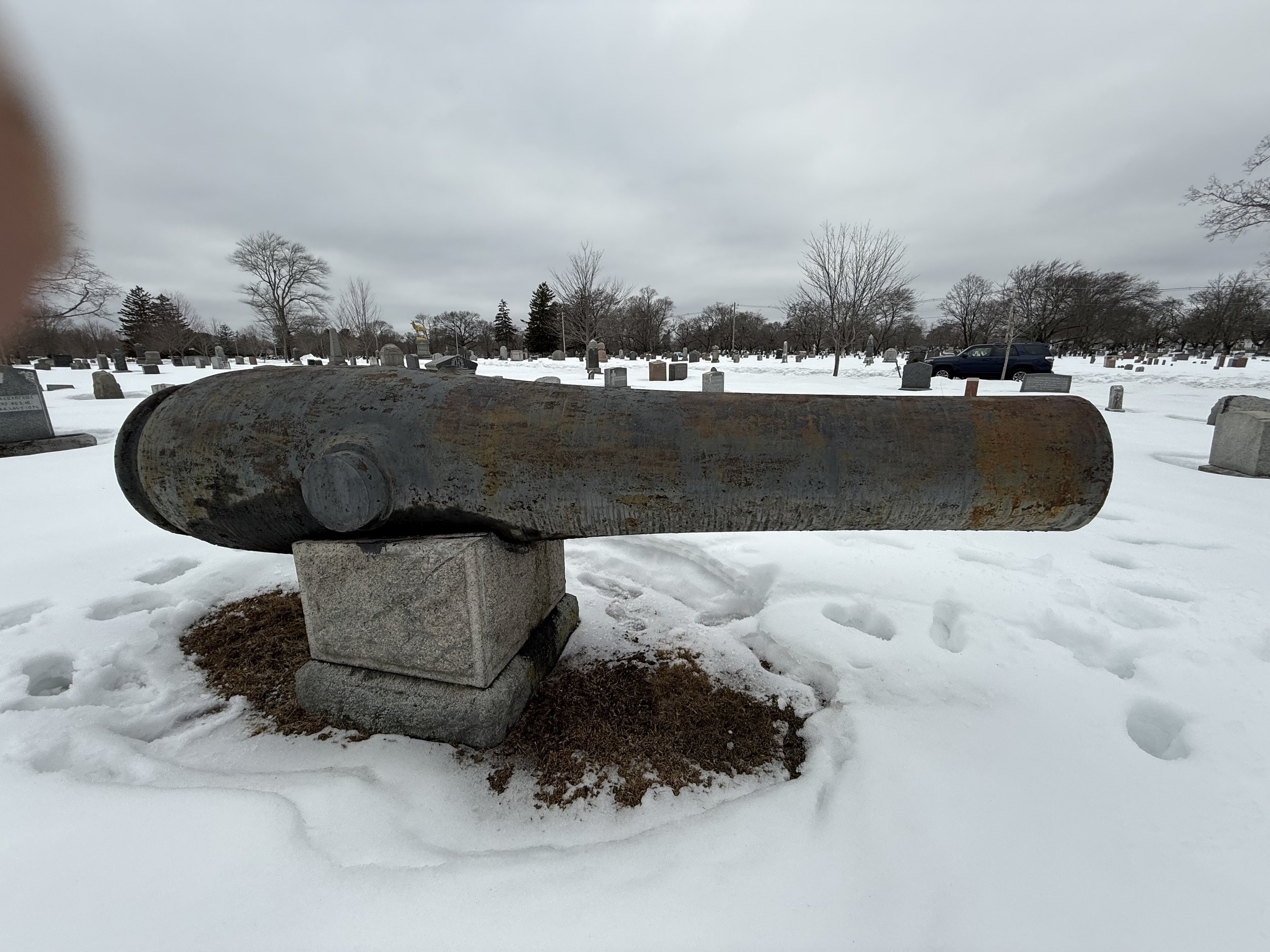
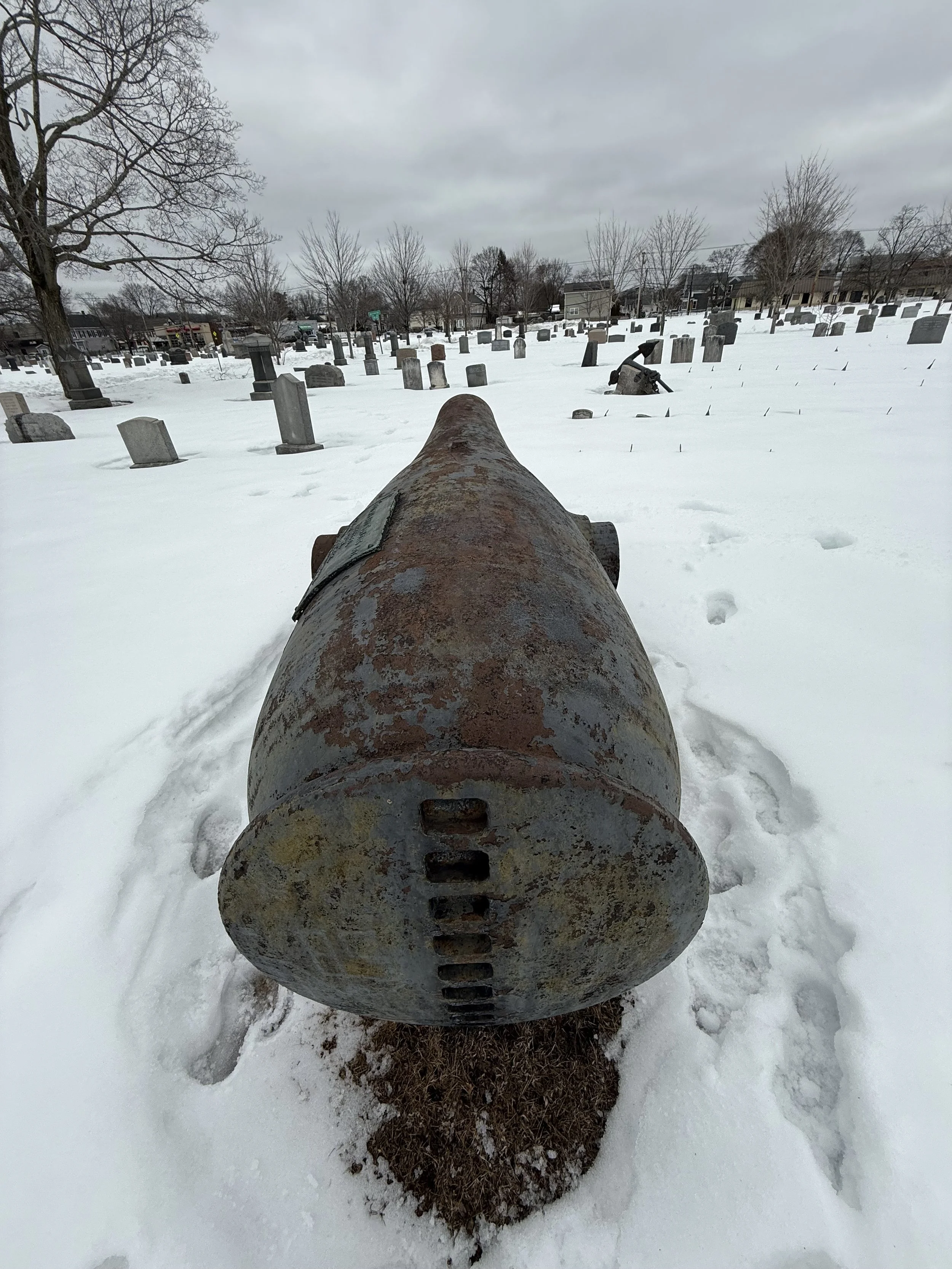
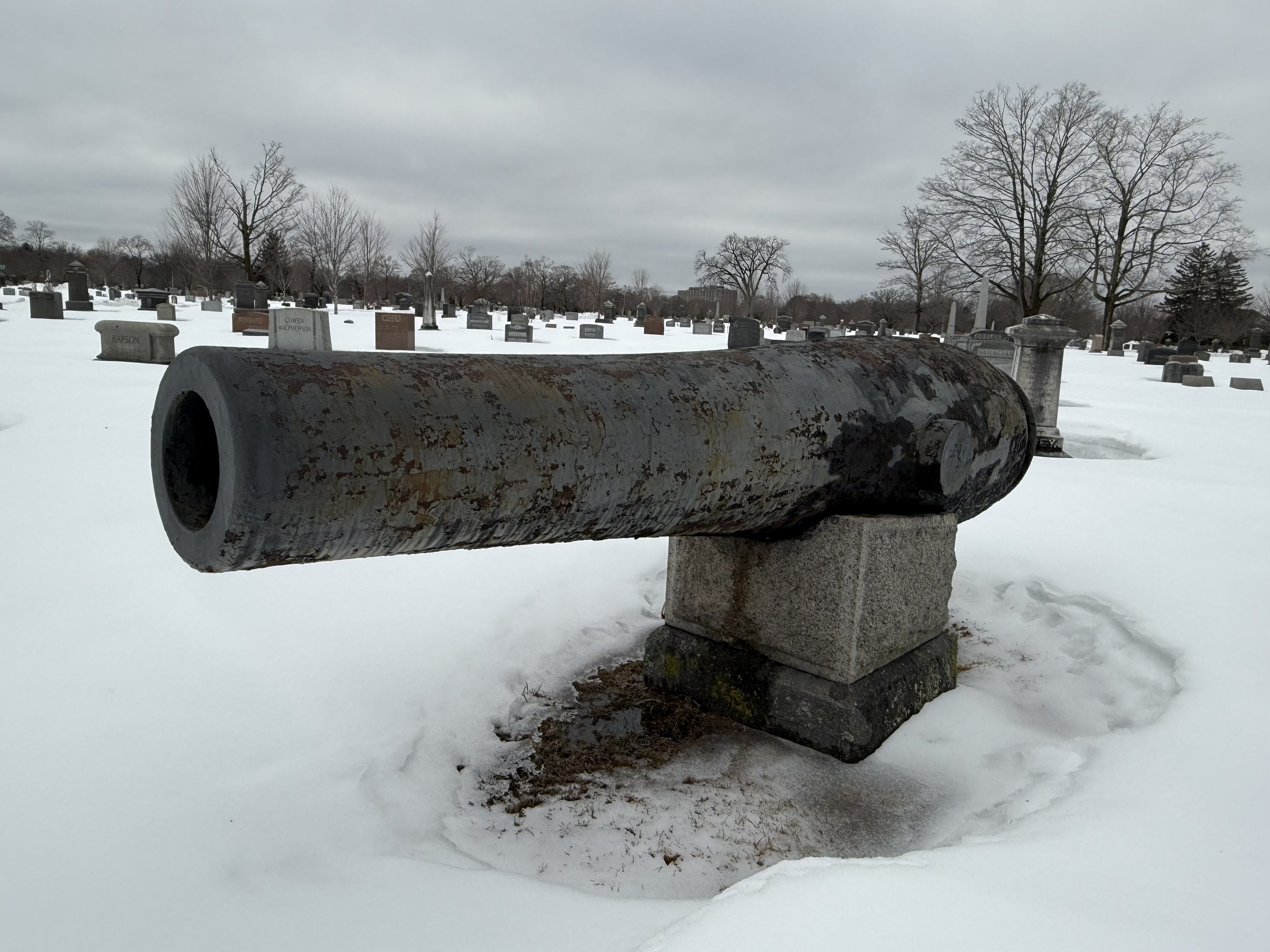
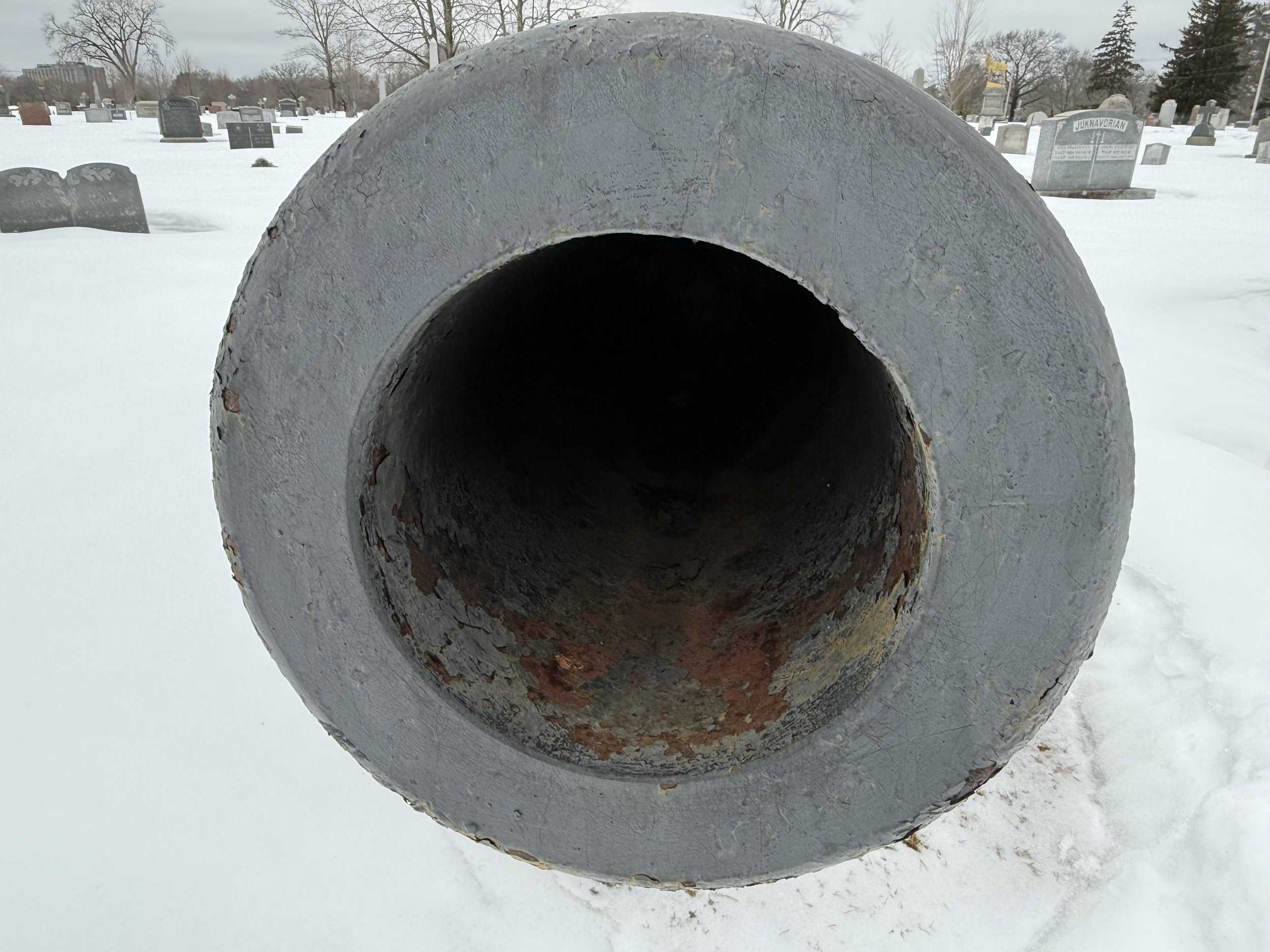
In service, the 10-Inch Rodman would have been mounted on a wrought iron carriage. The oval-shaped sockets in the rear of the cannon were to allow levers to change the elevation of the gun. This cannon is a smoothbore designed to fire projectiles which were 10-inches in diameter. In service, this cannon could fire either an approximately 128-pound round shot or an approximately 100-pound explosive shell.
Though this type of cannon was produced for the US Army before, during, and after the American Civil War, very few saw combat service during the war. The vast majority were used to arm coastal fortifications around Northern cities which were never attacked.
In the years leading up to the war, US Army officer Thomas Jackson Rodman would create a technique that would allow much larger guns to be cast in iron. Rodman worked out that the traditional manner of casting a gun solid, allowing it to cool from the outside in, and then boring out the barrel would not work beyond a certain size tube. As such a gun cooled, the outside was the first to cool, and it would contract slightly as it did so, but as metal further and further toward the center began to cool and harden, it would contract beneath metal that had already contracted. Rodman’s innovation was to cast the guns with a tube going into the area where the bore would eventually be made. Into this tube was run water to cool the cast gun from the inside while fires burned on the outside of the casting. Cooling from the inside out, the metal contracted onto successive layers of already contracted metal. Eventually Rodman’s techniques were used to produce 8-Inch, 10-Inch, 15-Inch, and 20-Inch guns for the US Army and 11-Inch and 15-Inch guns for the US Navy.