
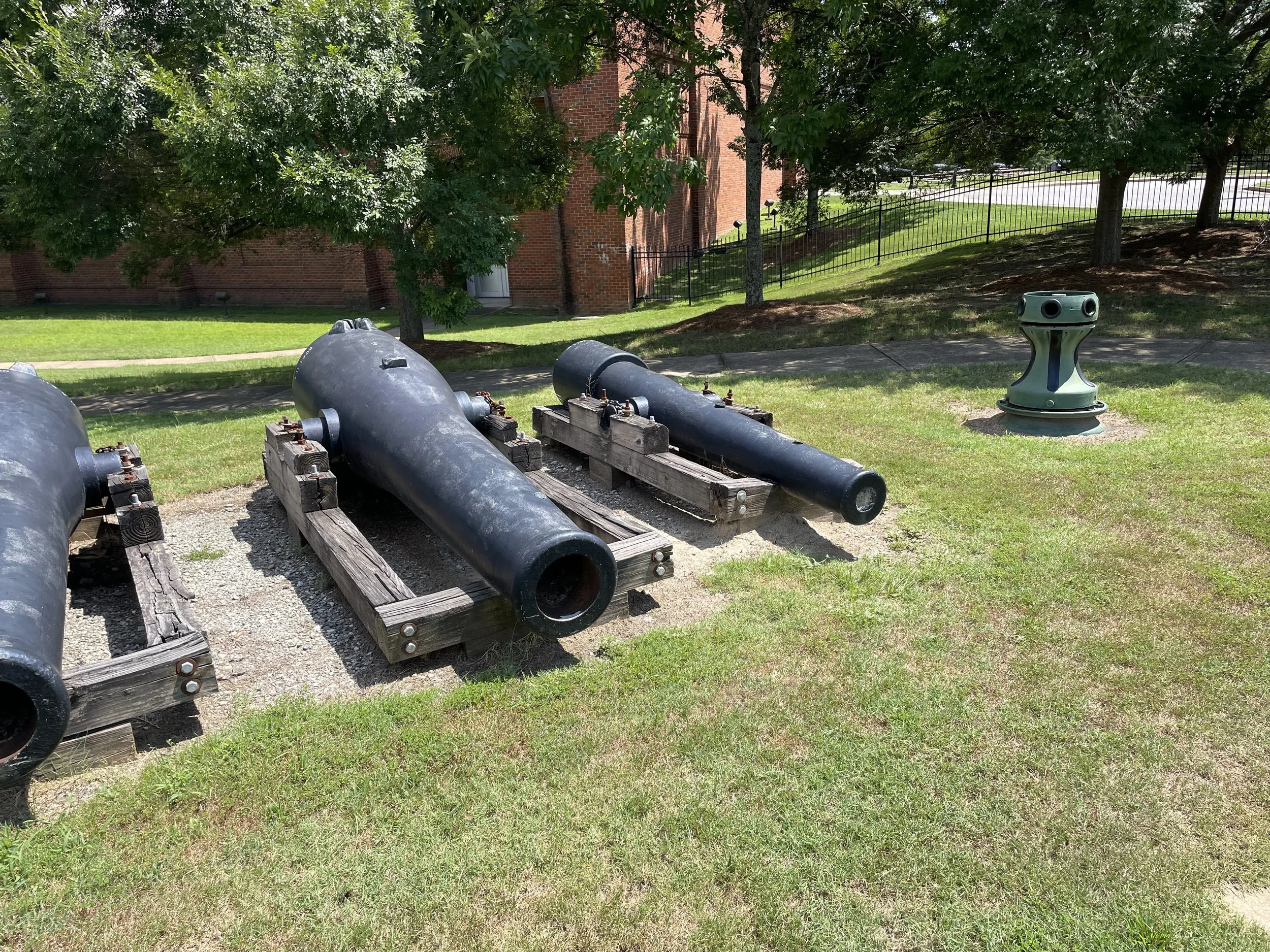
8-Inch Rifle Number 44 of USS Lancaster
US Navy 8-Inch Muzzle Loading Rifle Number 44 is one of four of the type displayed outside the Patriots Point Soccer Stadium in Mount Pleasant, South Carolina. All four are mounted on original circa 1880 US Navy carriages which came off of USS Lancaster.
US Navy 30-Pounder Parrott Rifle of USS Stettin
A US Navy 30-Pounder Parrott Rifle, Registry Number 119, is on displayed at the National Civil War Naval Museum in Columbus, Georgia. It was manufactured by the West Point Foundry in 1862, and its original weight was 3,544 pounds. It is displayed alongside four 9-Inch Dahlgrens. All five cannons show signs of being ex-bollards.
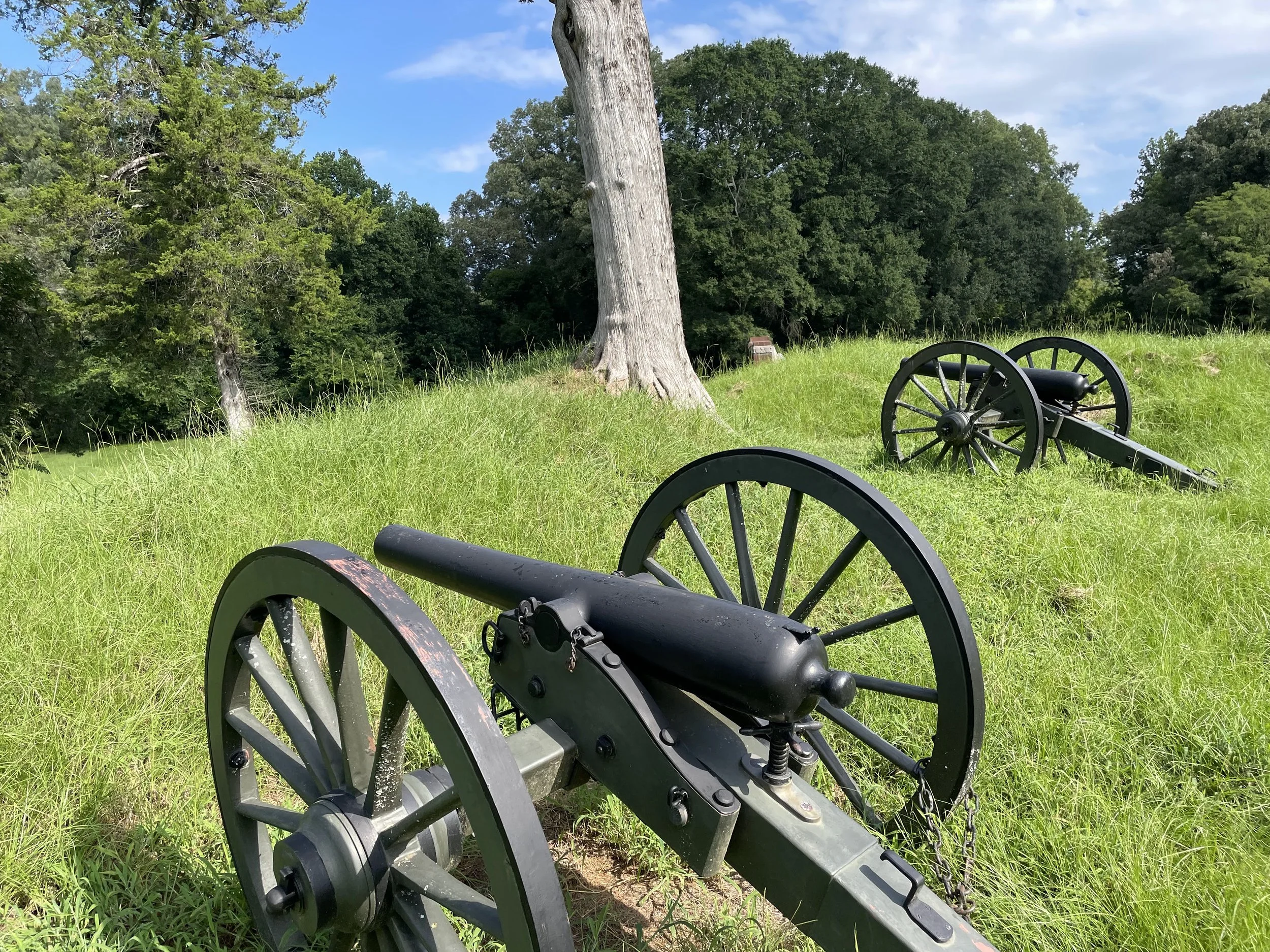
US Army 3-Inch Ordnance Rifles 415 and 416 at Vicksburg
Two US Army 3-Inch Ordnance Rifles flank a plaque noting the service of the 12th Battery Wisconsin Light Artillery. I believe these to be registry numbers 415 and 416, though none of the photos I took of the muzzles are great. Both rifles were manufactured in 1862 and both are marked as weighing 816 pounds as manufactured.
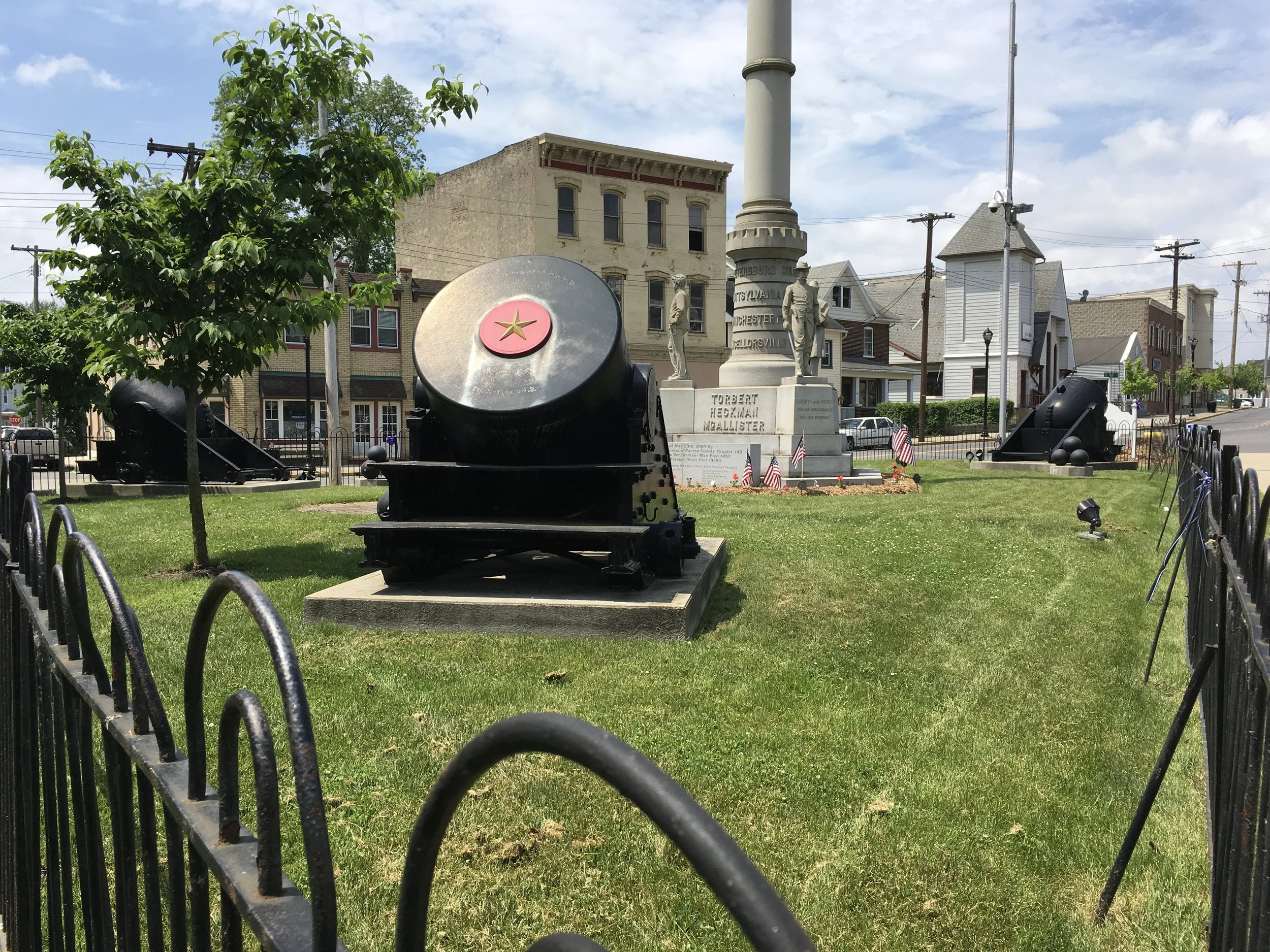
13-Inch Mortars in Phillipsburg, New Jersey
Four US 13-Inch Mortars, Pattern 1861, are displayed in Phillipsburg, New Jersey. Three may be found around a monument in the town square. Another is found in the nearby St. Phillip and St. James Cemetery on Fillmore Street. All four are mounted on original iron carriages.
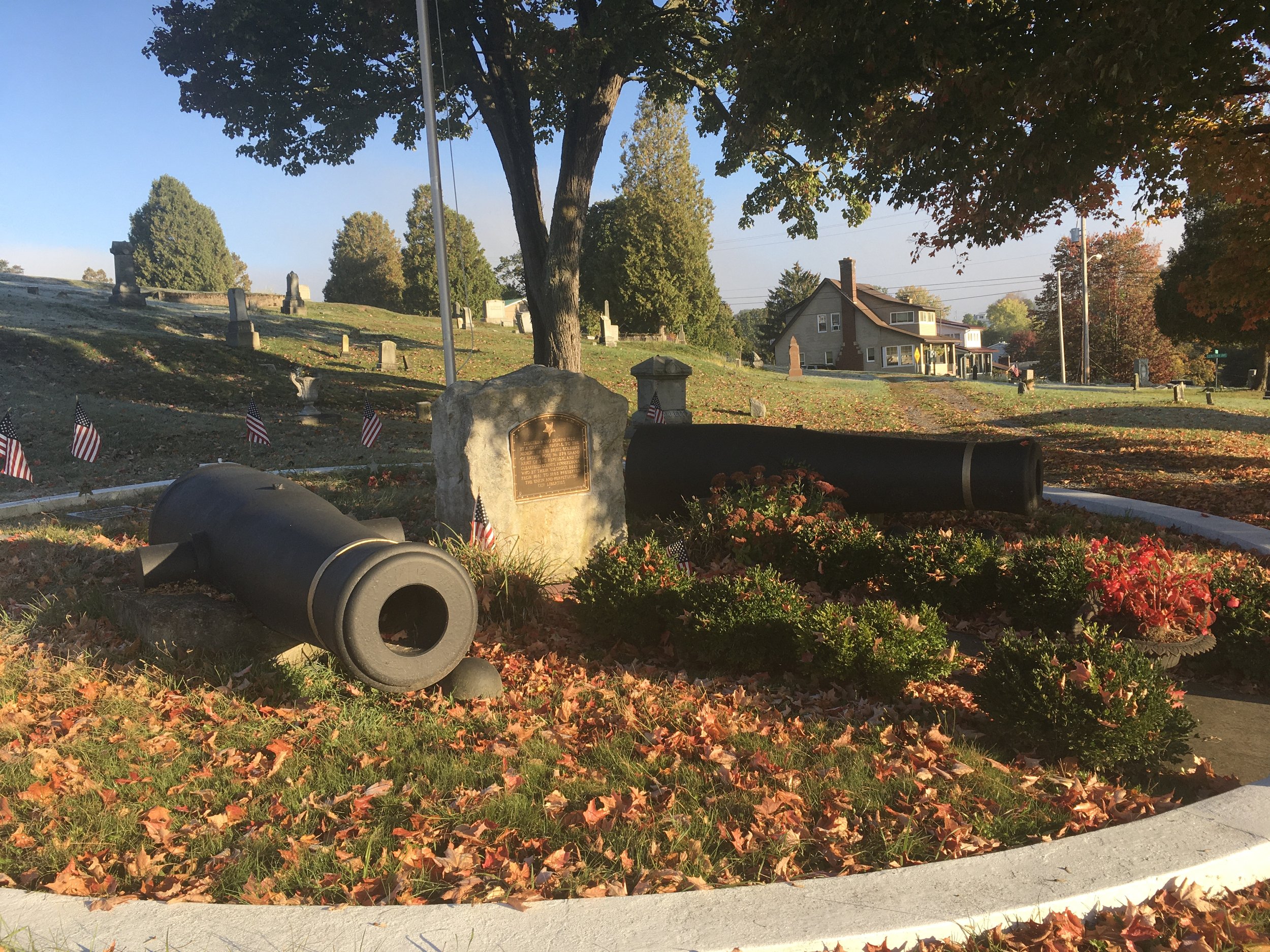
10-Inch Columbiads, Pattern 1844, in DuBois, Pennsylvania
Two US Army 10-Inch Columbiads, Pattern 1844, are displayed in Rumbarger Cemetery in DuBois, Pennsylvania. These two Columbiads were cast at Fort Pitt Foundry in 1854.
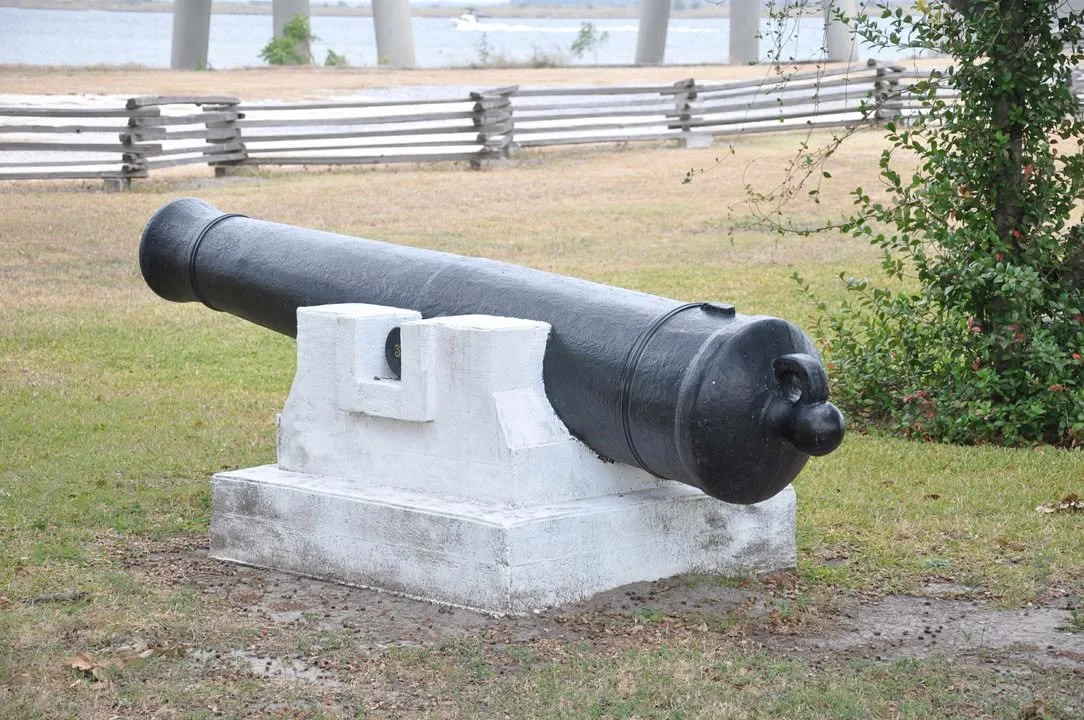
US Navy 32-Pounders at Fort Pike
US Navy “Gradual Increase” 32-Pounders cast in 1820 and 1821 survive at Fort Pike near New Orleans, Louisiana. They were likely among the nearly 1,200 heavy guns seized at Norfolk in 1861. They are known to have served on USS Columbus.
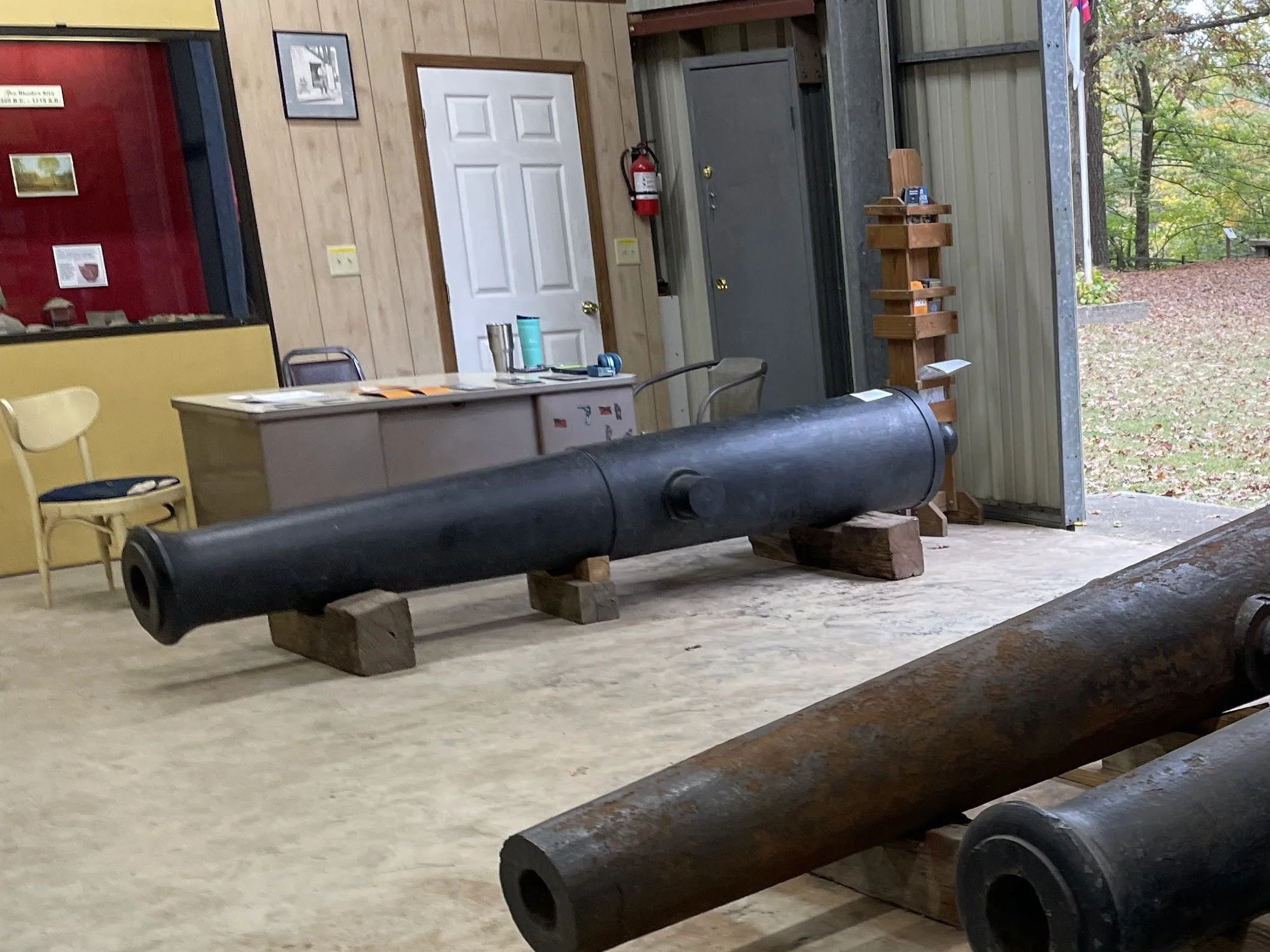
The US Army 24-Pounders, Pattern 1819, at Fort Branch
Two US Army 24-Pounders, Pattern 1819, are among the extraordinary collection of original cannons at Fort Branch near Hamilton, North Carolina. Along with the other cannons, they were thrown into the Roanoke River to prevent capture at the end of the American Civil War. All of the cannons were recovered from the Roanoke River in the 1970s.
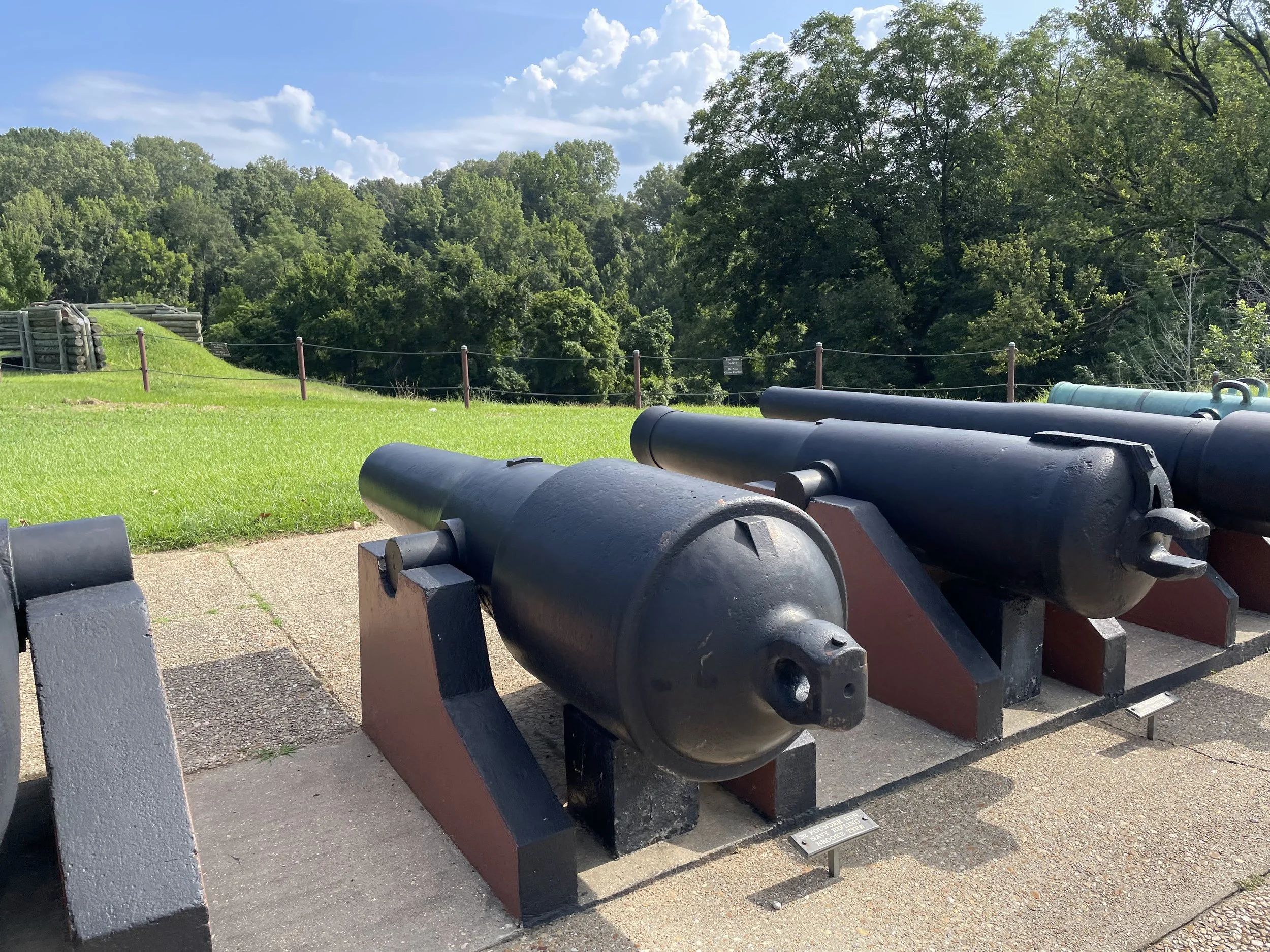
32-Pounder of 57 Hundredweight at Vicksburg
A US Navy 32-Pounder of 57 Hundredweight is displayed on “Cannon Row” at Vicksburg. It’s form present state points to an active career. It was cast as USN Registry Number 647 by Bellona Foundry near Richmond in 1849. During the Civil War it was rifled and banded by the Confederates. It’s muzzle was damaged and then shortened.

42-Pounder, Banded and Rifled, in Lewisburg, Pennsylvania
A US Army 42-Pounder, Pattern 1845, Seacoast Gun which was banded and rifled during the American Civil War is displayed in front of the Civil War Memorial in Lewisburg, Pennsylvania. The 42-Pounder, which weighed about 8,500 pounds in its original, unbanded smoothbore state, was a popular cannon for conversion into a rifle by both North and South. As Olmstead et al. points out, of the 29 known survivors of the type, just over half have been rifled and/or banded.
This 42-Pounder was cast by West Point Foundry in 1859. It is registry number 126 (as seen on the muzzle face).
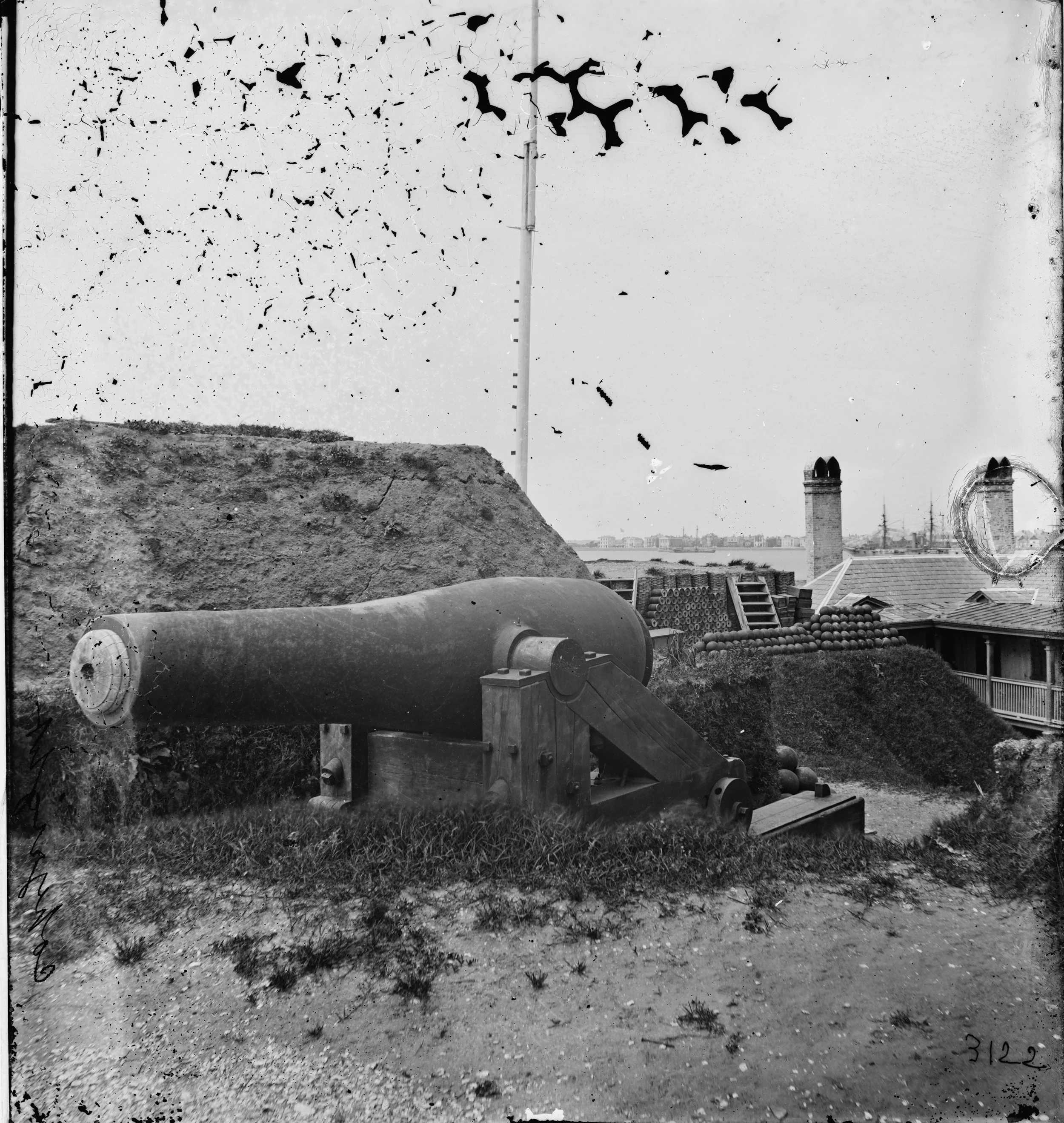
Photographs of Surviving Confederate Columbiads
This post includes photographs of the majority of surviving Confederate Columbiads. The Columiad, particularly the 10-Inch Model, was one of the most powerful heavy cannons available to the Confederacy, and this type of cannon was in high demand anywhere the US Navy might strike.
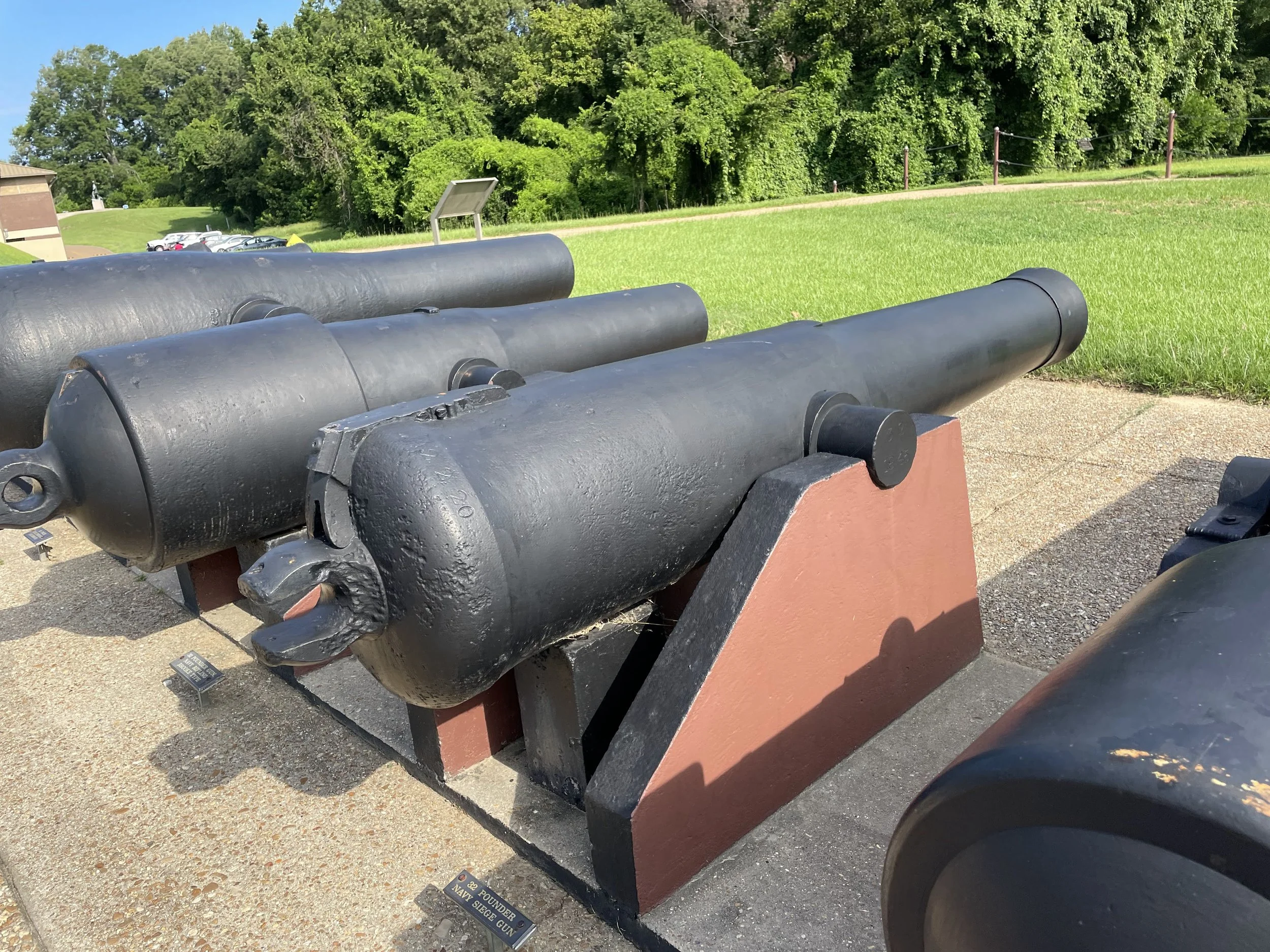
US Navy 32-Pounder of 42 Hundredweight Number 244 at Vicksburg
A 32-Pounder of 42 Hundredweight, US Navy Registry Number 244, is displayed on “Cannon Row” at Vicksburg National Military Park. This cannon was manufactured at Fort Pitt Foundry in 1845. It is marked as weighing 42-2-20 (or 4,780 pounds). Six similar cannons can be seen mounted on USS Cairo, also at Vicksburg. Together, the seven examples at Vicksburg form a majority of the known examples of the type.
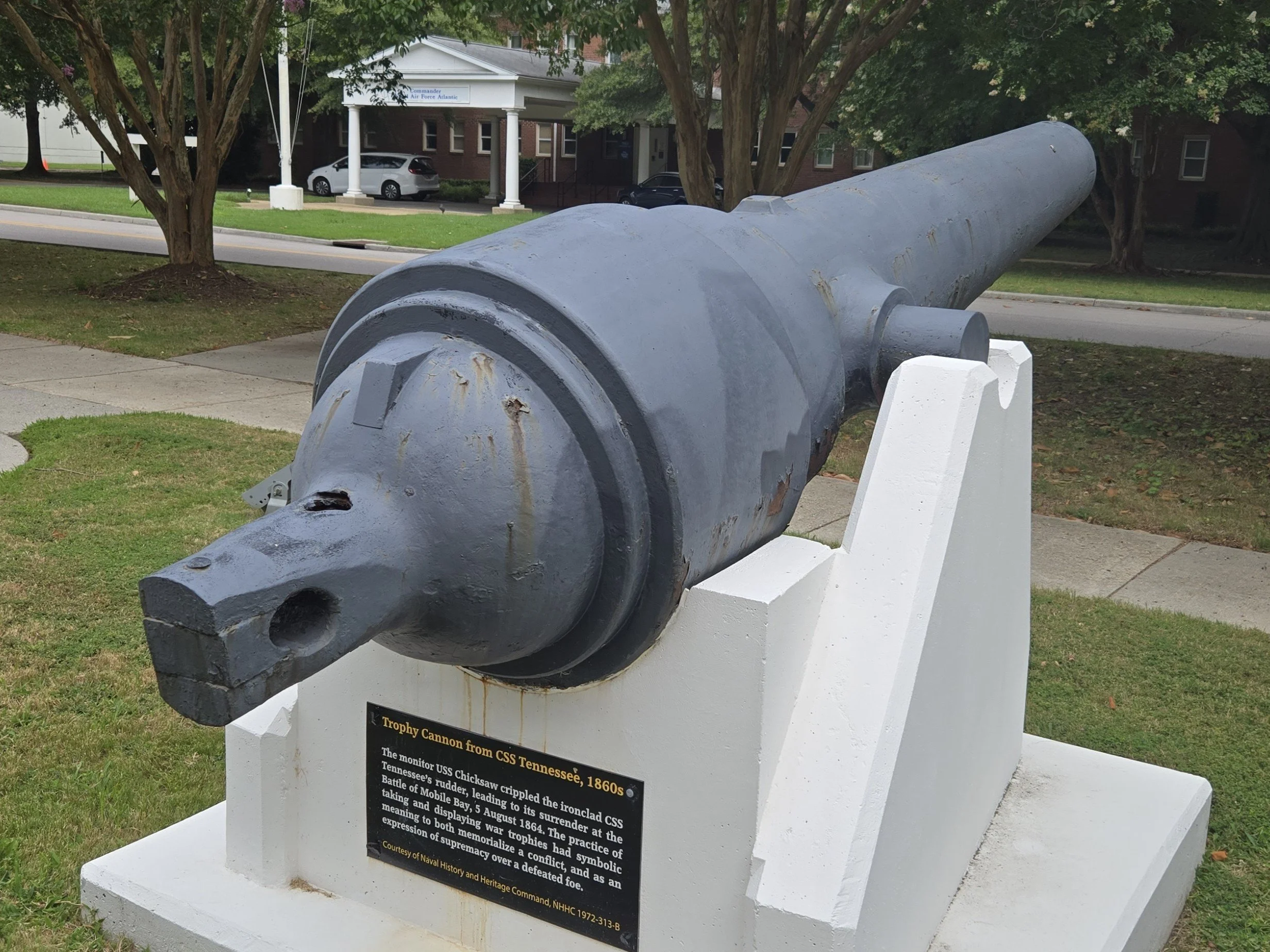
The 6.4-Inch Brooke of CSS Tennessee at Naval Station Norfolk
A 6.4-Inch Brooke Rifle which was captured aboard CSS Tennessee is displayed at Naval Station Norfolk alongside an identical 6.4-Inch Brooke from CSS Albemarle.
The Tennessee Brooke was manufactured at Tredegar in June 1863 and was sent to Richmond Naval Ordnance Words for banding and rifling in August of 1863. Its registry number is 49 and its Tredegar Foundry Number is 1853 (Olmstead et al. pg. 219).
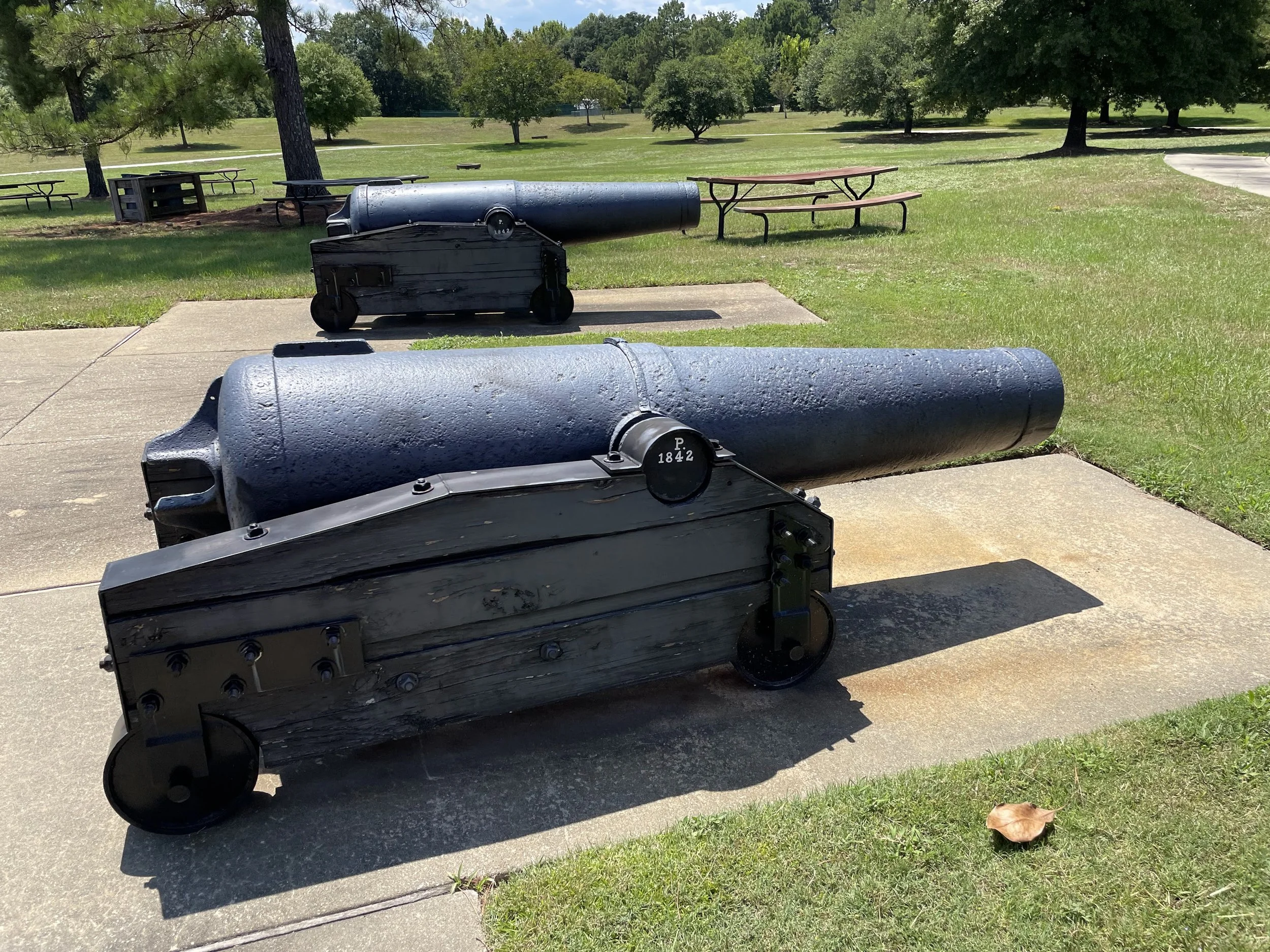
The 32-Pounders of 41 Hundredweight of USS Saratoga and CSS Chattahoochee
Two US Navy 32-Pounders of 41 Hundredweight are displayed at the National Civil War Naval Museum in Columbus, Georgia. These two chambered cannon were cast at Cyrus Alger and Company in 1842 for use aboard the sloop of war USS Saratoga. They were subsequently used aboard CSS Chattahoochee.
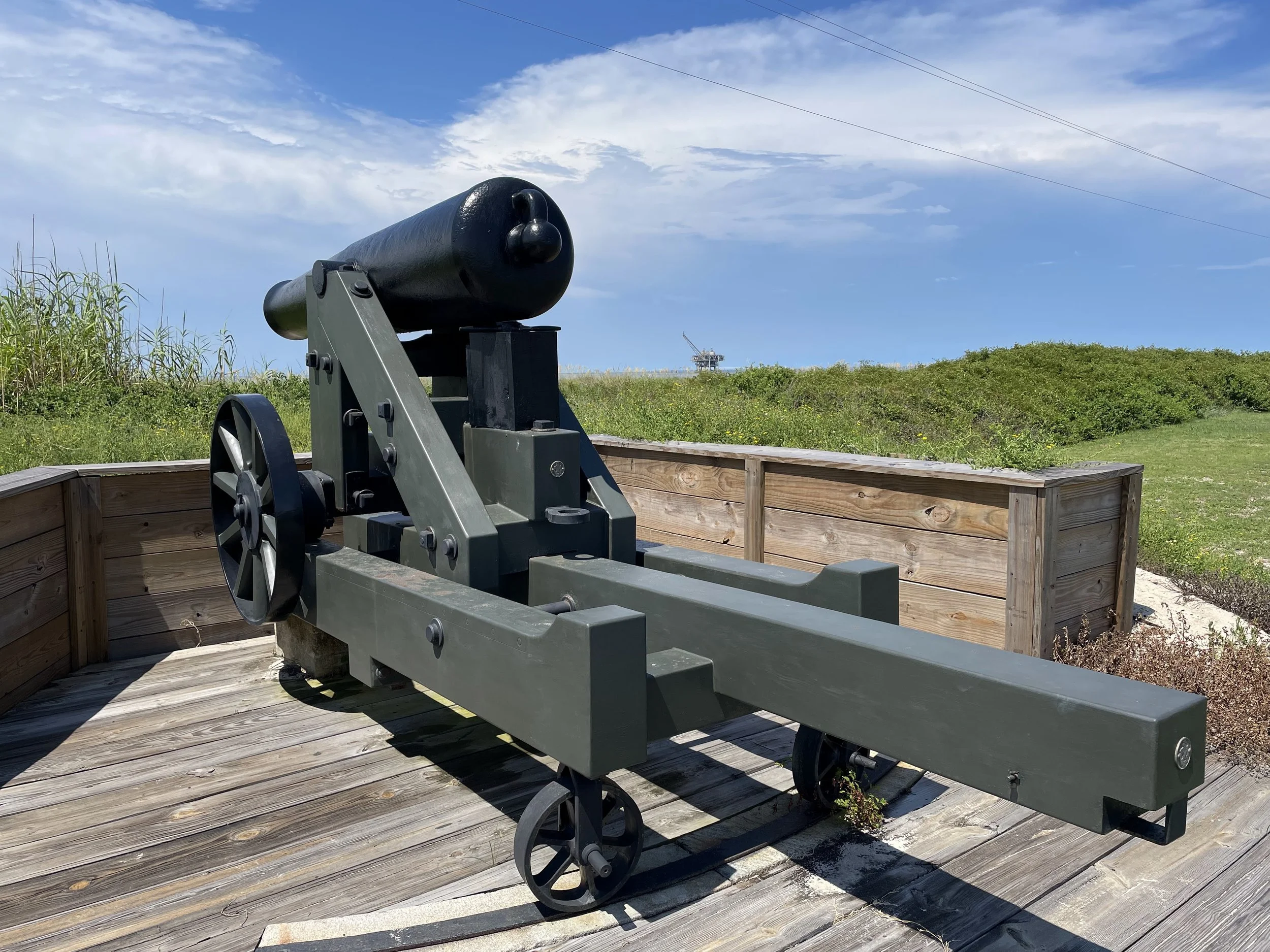
32-Pounder, Pattern 1829, at Fort Morgan
A US Army 32-Pounder, Pattern 1829, is displayed at Fort Morgan in Alabama. This cannon was cast at Fort Pitt Foundry in 1833. It is Fort Pitt registry number 116. It bears a test scar on its muzzle face. It is displayed at Fort Morgan in an emplacement overlooking Mobile Bay. It’s weight is 7,478 pounds.
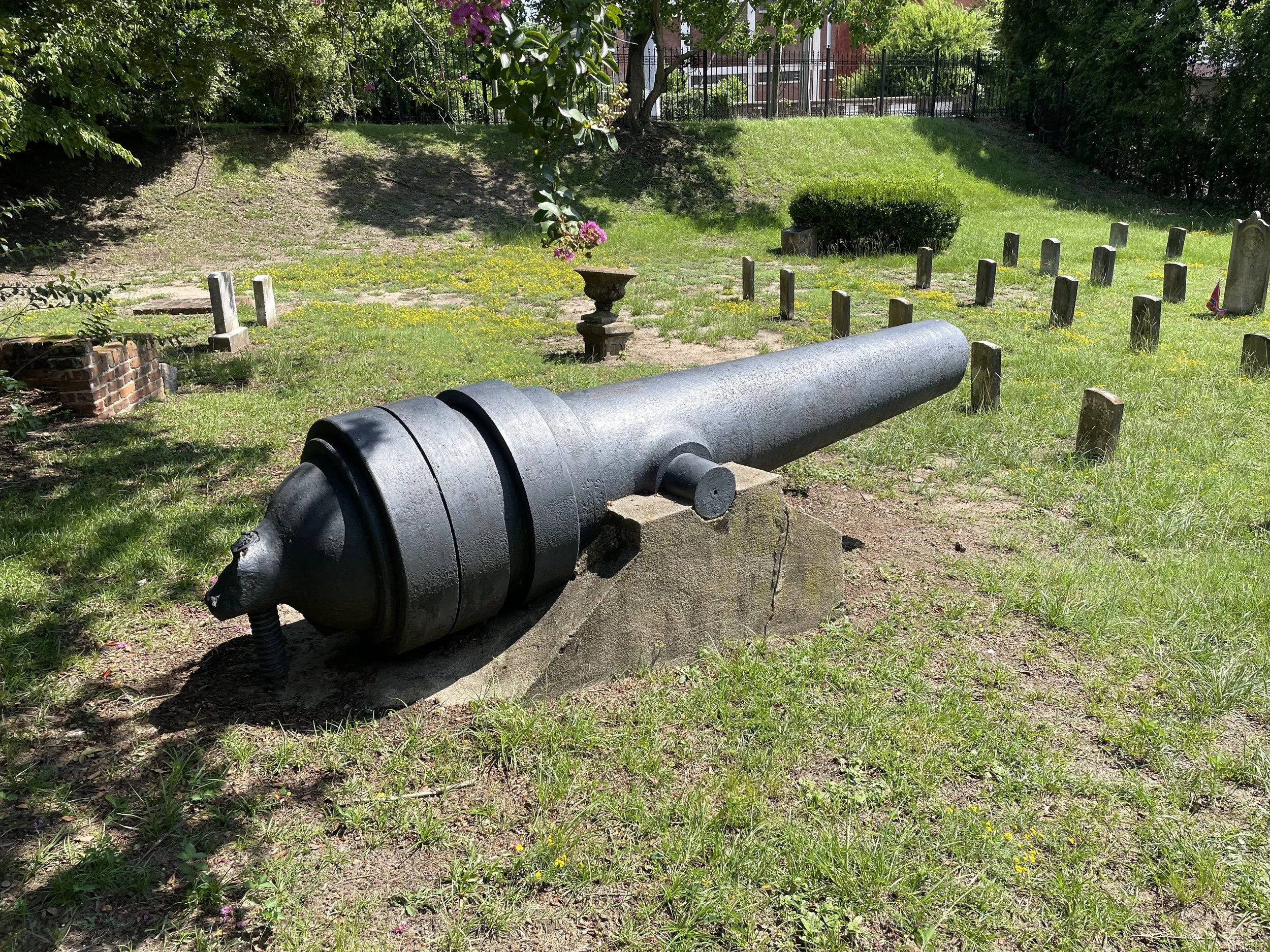
6.4-Inch Brooke Rifle, S85, at Linwood Cemetery, Columbus, Georgia
6.4-Inch Brooke Rifle S-85 is mounted at Linwood Cemetery in Columbus, Georgia overlooking a section of Civil War graves. This Brooke was manufactured at the Selma Naval Gun Foundry in Selma, Alabama in 1864-1865. In March of 1865 it was sent to Columbus, Georgia to become part of the armament of the ironclad ram CSS Jackson which had been launched in December 1864. However, CSS Jackson would be captured by United States Army Cavalry under Major General James Wilson in April 1865 following the Battle of Columbus, one of the last battles of the American Civil War.
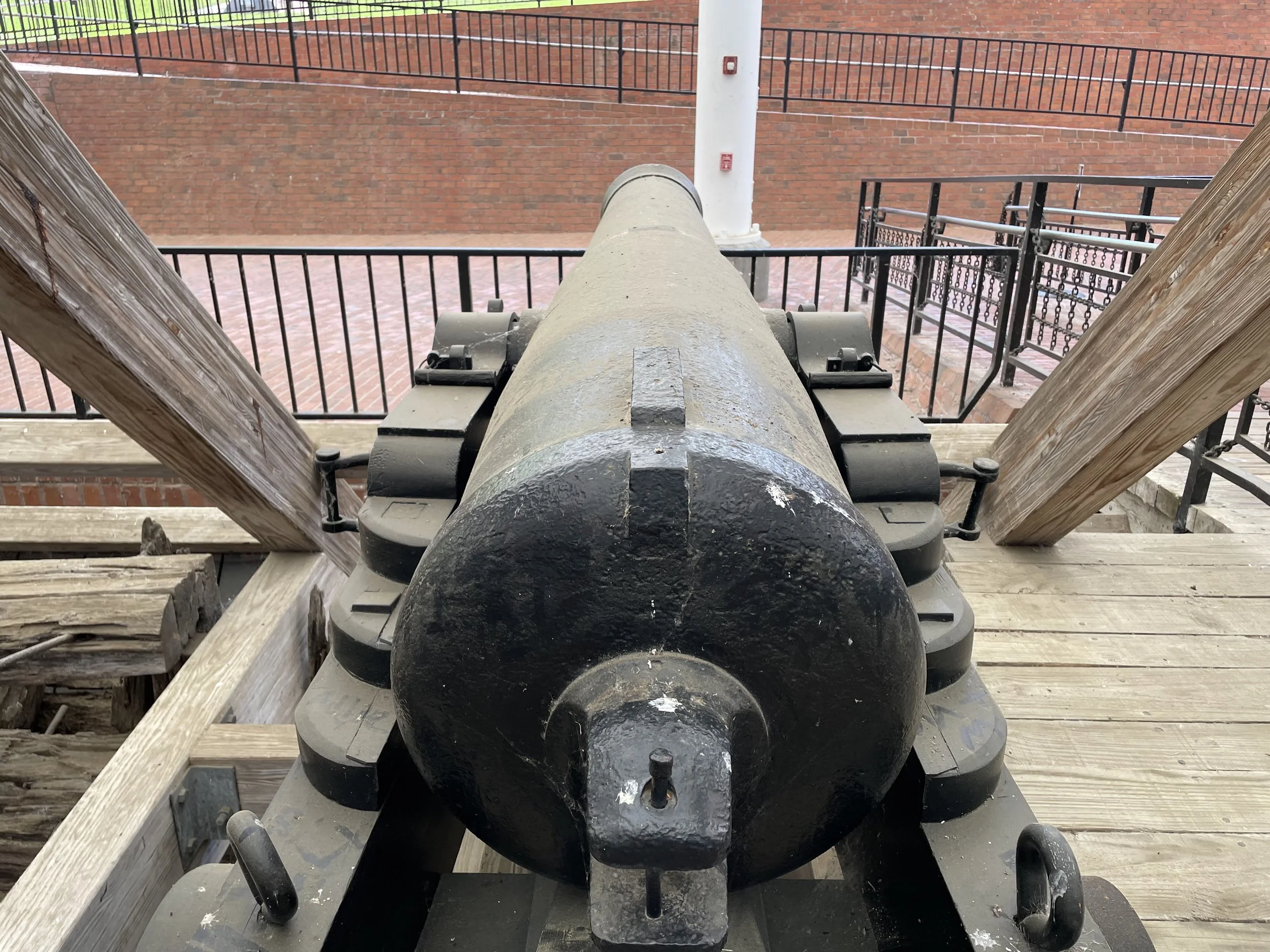
US Navy 32-Pounder of 42 Hundredweight Number 230 of USS Cairo
A US Navy 32-Pounder of 42 Hundredweight, Number 230, is displayed aboard USS Cairo at Vicksburg National Military Park. This cannon was cast in 1845 at the Fort Pitt Foundry. It is marked as weighing 42-1-18 Hundredweight (4,750 pounds). It was recovered with the sunken USS Cairo in 1964.
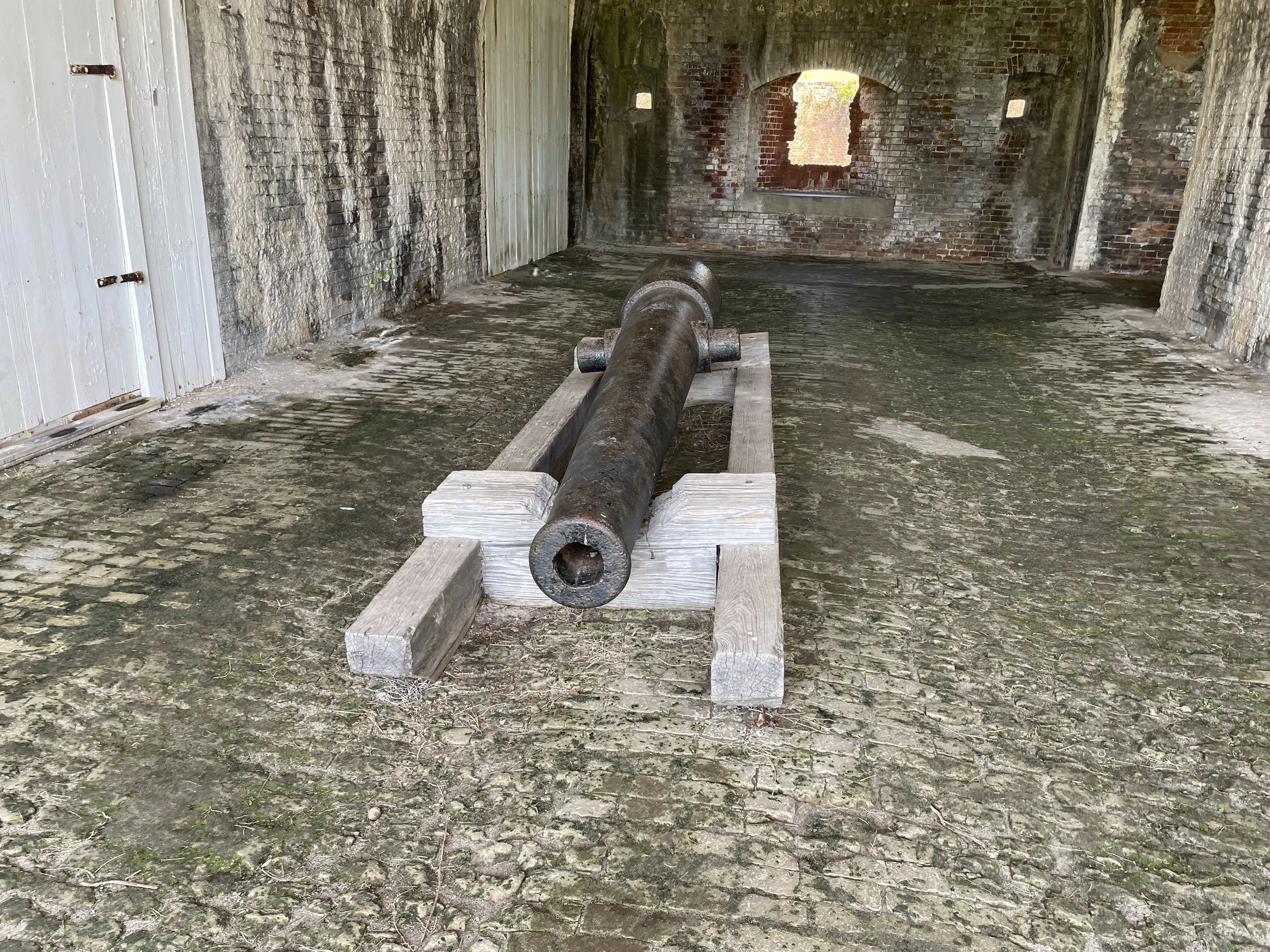
CS Army 30-Pounder “Parrott” Rifle at Fort Morgan
A 30-Pounder (4.2-Inch) Rifle manufactured by Tredegar (Richmond, Virginia) in 1862 is displayed at Fort Morgan. The rifle is resembles the US Army Parrott Rifle. The rifle’s breech was blown off at some point. The missing breech allows the bore to be seen from the breech - and it is roughly and inch off-center.
Like the US Army Parrott Rifle, this is a cast iron cannon with a wrought iron reinforcing band over the breach.
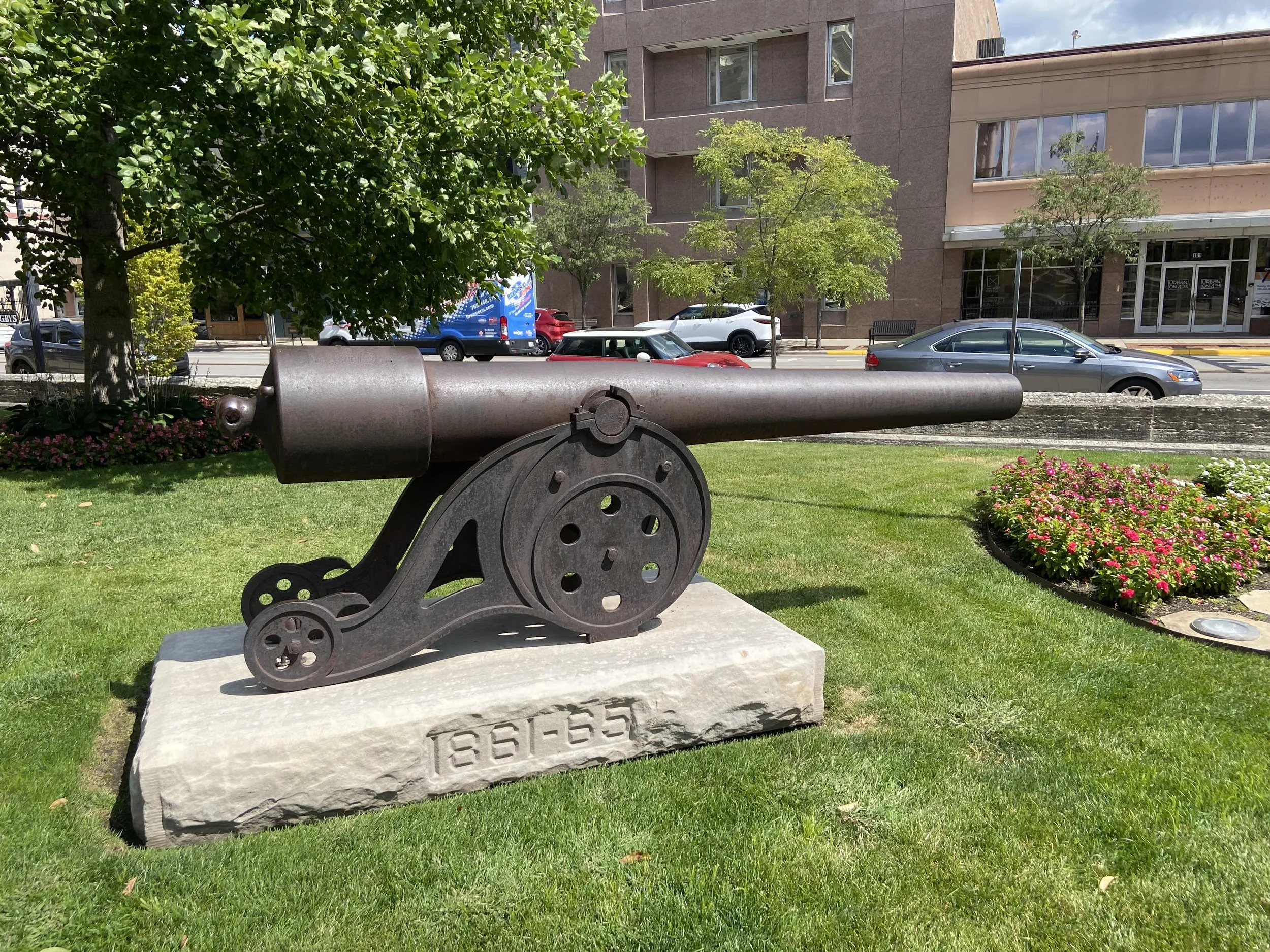
US Army 30-Pounder Parrott Rifle in Lafayette, Indiana
A US Army 30-Pounder Parrott Rifle, Number 180, is displayed in front of the Tippecanoe County Courthouse in Lafayette, Indiana. The Parrott is displayed on the southeast corner of the courthouse lawn mounted on an iron pedestal mounted on top of a stone base with the dates 1861-1865. An 8-Inch siege howitzer is displayed on the northwest corner of the courthouse. Both cannons were donated to the John A Logan, Post Number 3, of the Grand Army of the Republic on July 15th, 1897.
30-Pounder Parrott Number 180 was manufactured at the West Point Foundry in 1863. As manufactured it weighed 4,206 pounds - as seen on the muzzle.

10-Inch Columbiad at South Fort in Vicksburg
A 10-Inch Confederate Columbiad is displayed at South Fort at Vicksburg National Military Park. This Columbiad was cast at Bellona Foundry near Richmond in 1863. It is marked as weighing 13,800 pounds. It is marked on its right trunnion “BF, JLA” for Bellona Foundry, Junius L. Archer (the proprietor).
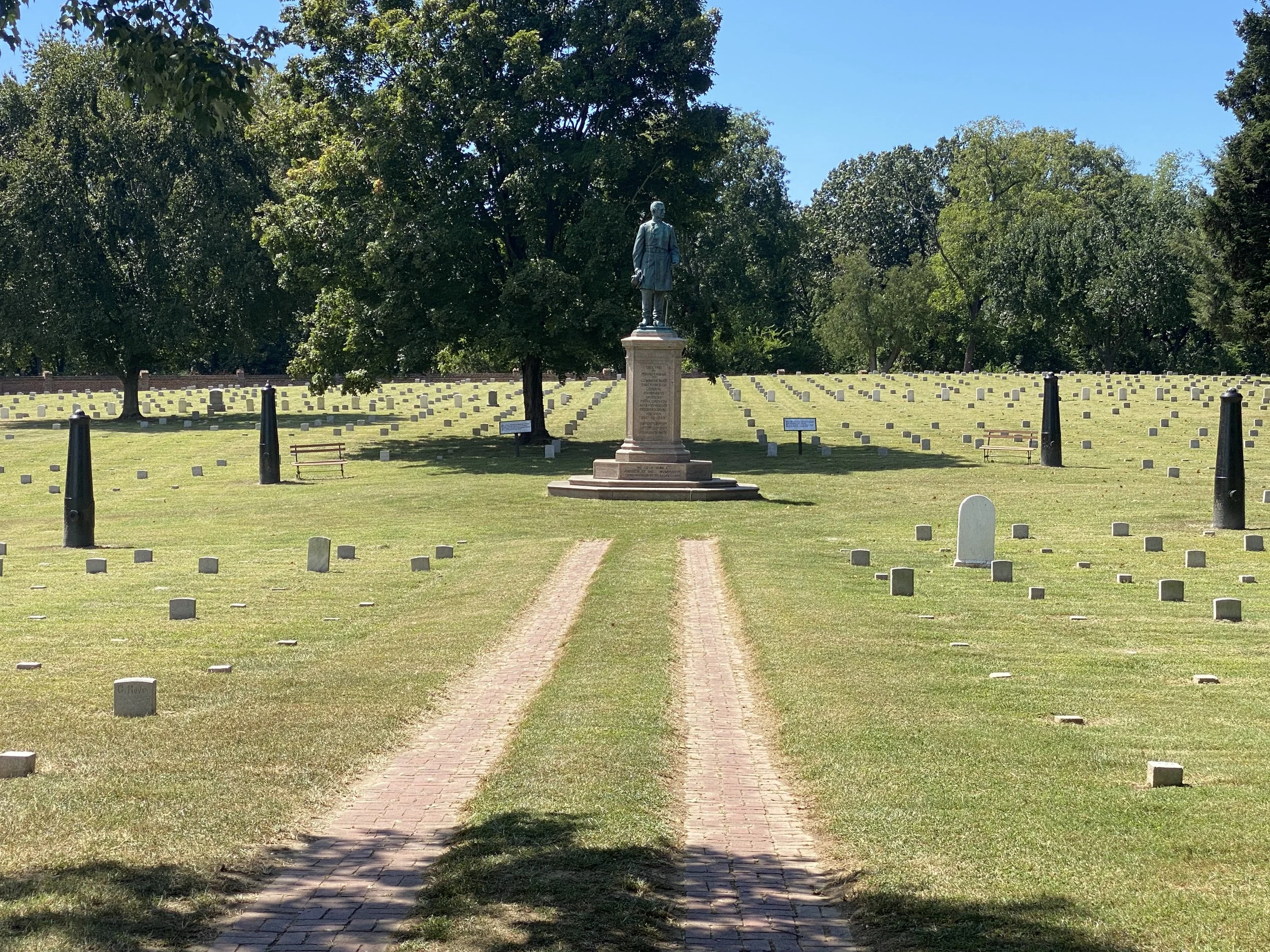
The 32-Pounders at Fredericksburg National Cemetery
Four US Army 32-Pounders, Pattern 1829, surround a monument at Fredericksburg National Cemetery to the Division of General Andrew Humphreys, V Corps, Army of the Potomac. Humphrey’s division participated in the attack on Confederate positions on Marye's Heights on December 13th, 1862, suffering heavy casualties in the engagement.
The four cannons were emplaced at the cemetery in 1868.