
US Navy 100-Pounder Parrott of USS Tallapoosa in Des Moines
US Navy 100-Pounder Parrott Rifle Number 271 is displayed at the State Capitol in Des Moines, Iowa. Bureau of Ordnance records show that this Parrott was mounted aboard the Sassacus-class gunboat USS Tallapoosa likely from her commissioning in 1864 until 1867.

US Navy 100-Pounder Parrott Rifle of USS Lodona in Buchanan, Michigan
A US Navy 100-Pounder Parrott Rifle, Registry Number 48, is displayed in a cemetery in Buchanan, Michigan. As manufactured at West Point Foundry in 1862 it weighed 9,727 pounds. US Navy records indicate that it served upon USS Lodona. Lodona was an iron hulled, bark rigged, screw steamer built in 1862 in England. She was captured in Ossabaw Sound attempting to run the blockade into Savannah on August 4th, 1862 by USS Unadilla.

US Navy 100-Pounder Parrott Rifle of USS Mendota in Hartford City, Indiana
US Navy 100-Pounder Parrott Rifle Number 260 which was carried aboard USS Mendota is displayed at Hartford City, Indiana. It was manufactured at the West Point Foundry in 1864. As manufactured it weighed 9,697 pounds. It is displayed in a cemetery on the east side of town in a section of graves of veterans of the Civil War.
Bureau of Ordnance Records show that it was carried aboard the Sassacus-class gunboat USS Mendota which served on the James River in 1864-1865.
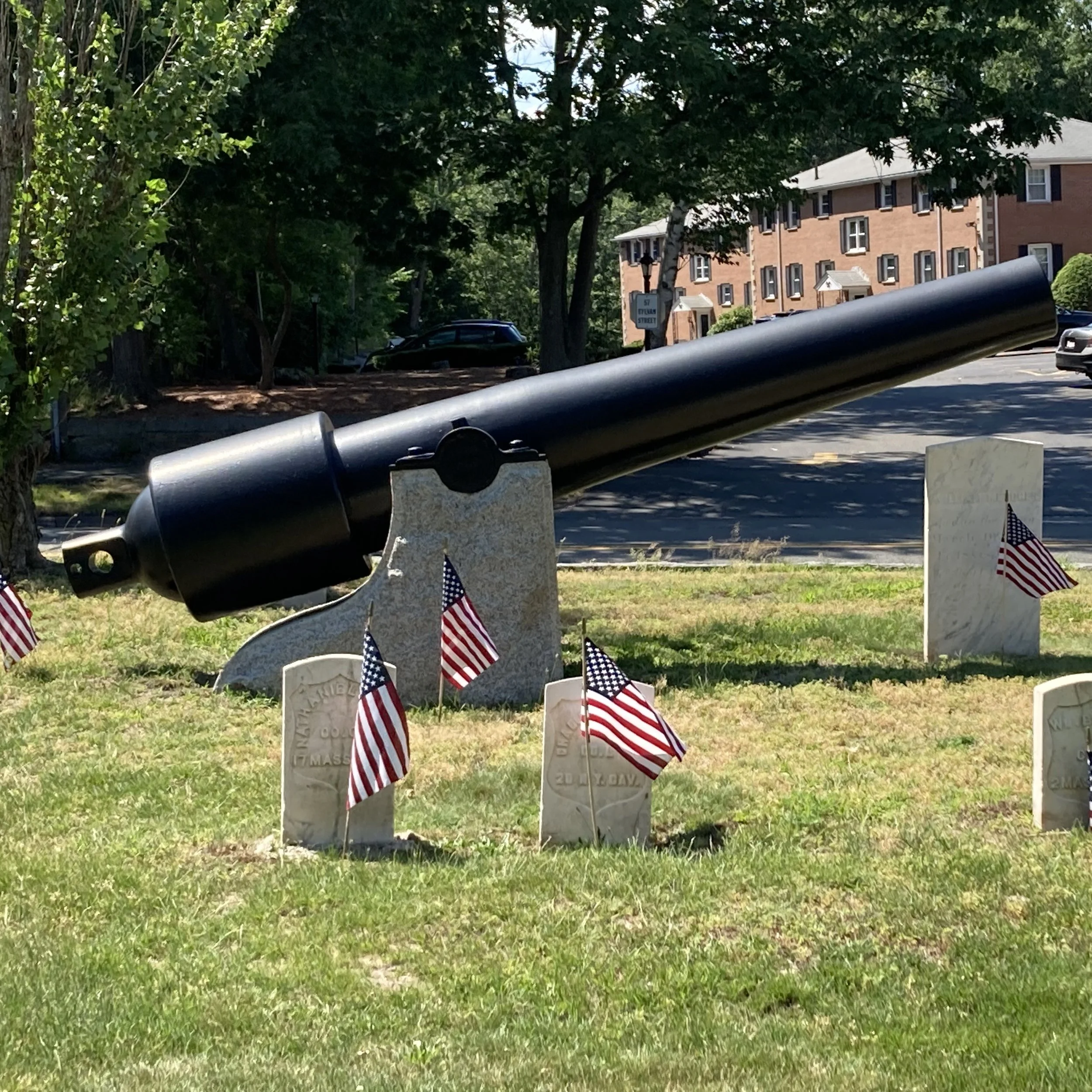
US Navy 100-Pounder Parrott Rifle Number 116 in Danvers, Massachusetts
US Navy 100-Pounder Parrott Rifle Number 116 is displayed at Walnut Grove Cemetery in Danvers, Massachusetts. Number 116 was manufactured at West Point Foundry in 1863 and weighed 9,806 pounds. Many thanks to friend of the page Steve Walton for sharing these photos!
Number 116 was carried aboard the steam frigate USS Wabash.
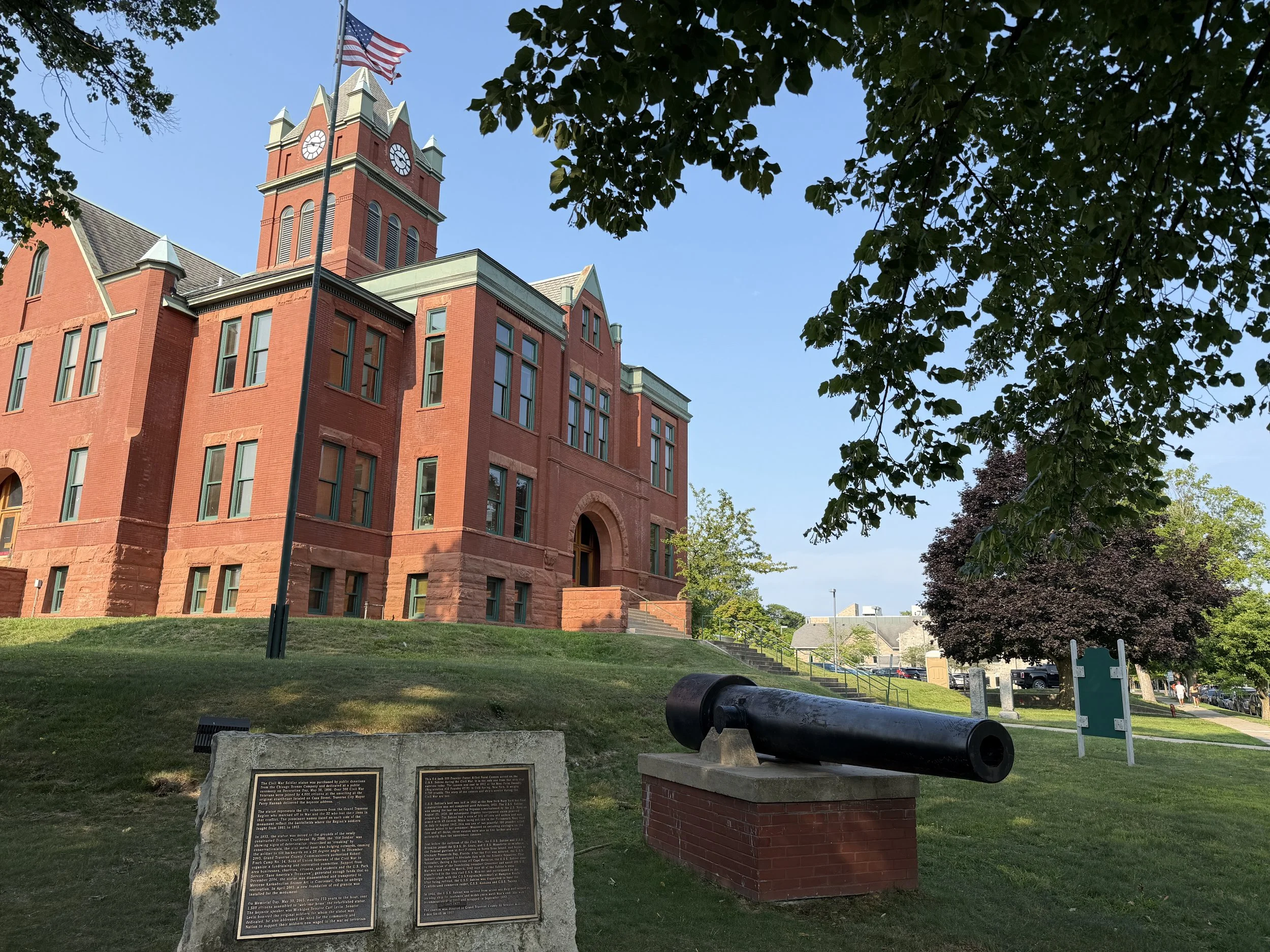
US Navy 100-Pounder Parrott Rifle Number 15 of USS Sabine
US Navy 100-Pounder Parrott Number 15 at Traverse City, Michigan was one of two of the type carried aboard the sailing frigate USS Sabine during the Civil War. The two Parrotts were mounted as pivots - one on either end of the spar deck.
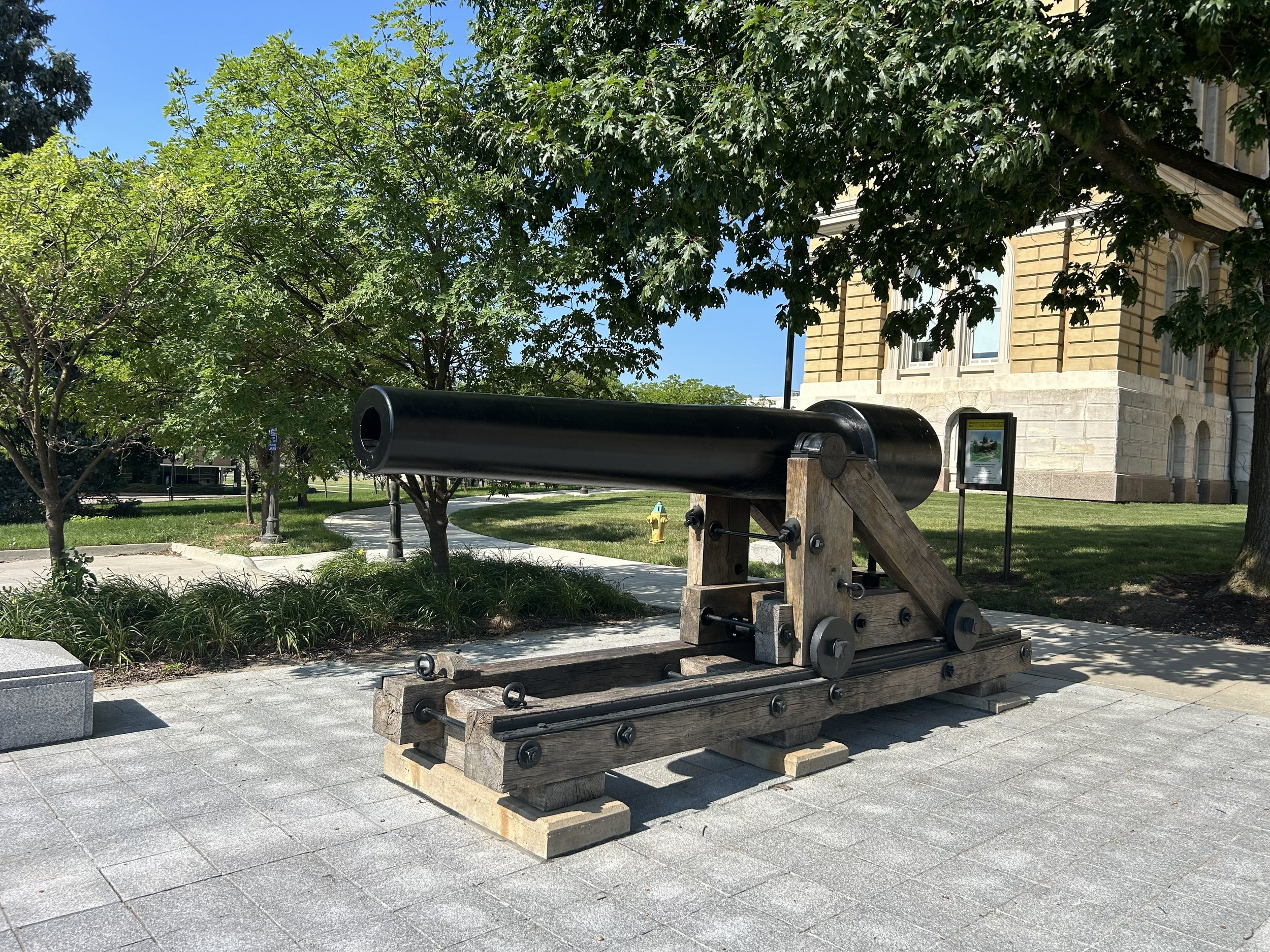
US Navy 100-Pounder Parrott Rifle of USS Nipsic at the Iowa State Capital
US Navy 100-Pounder Parrott Rifle Number 167 was mounted aboard USS Nipsic in the spring of 1865. It is displayed at the Iowa State Capitol.
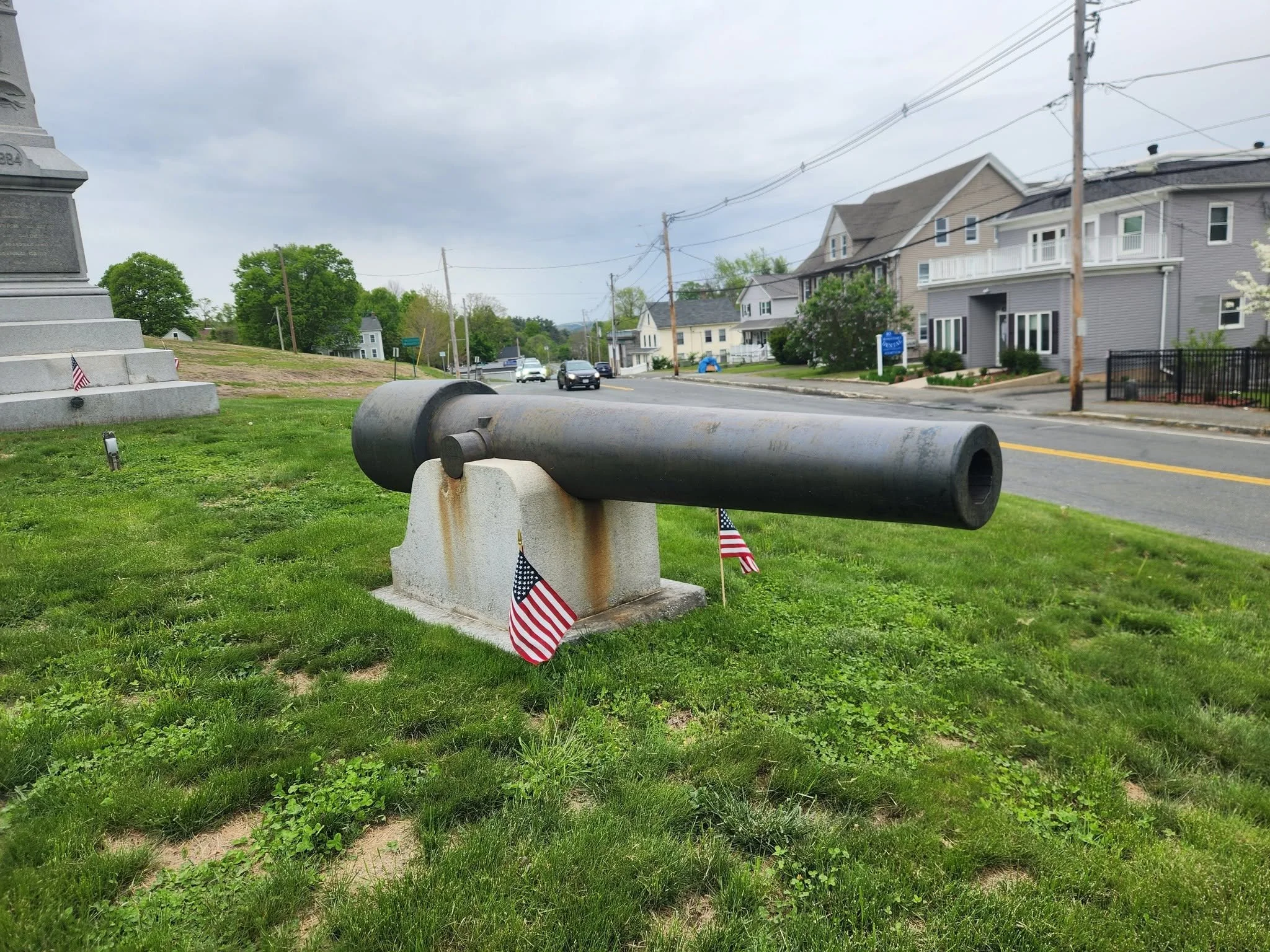
US Army 100-Pounder Parrott Rifles in Monson, Massachusetts
Two US Army 100-Pounder Parrott Rifles are displayed in Monson, Massachusetts.
These photos were originally posted to the Facebook Group “Big Cannon Project” by Tom Speight. They are reposted here with his permission.
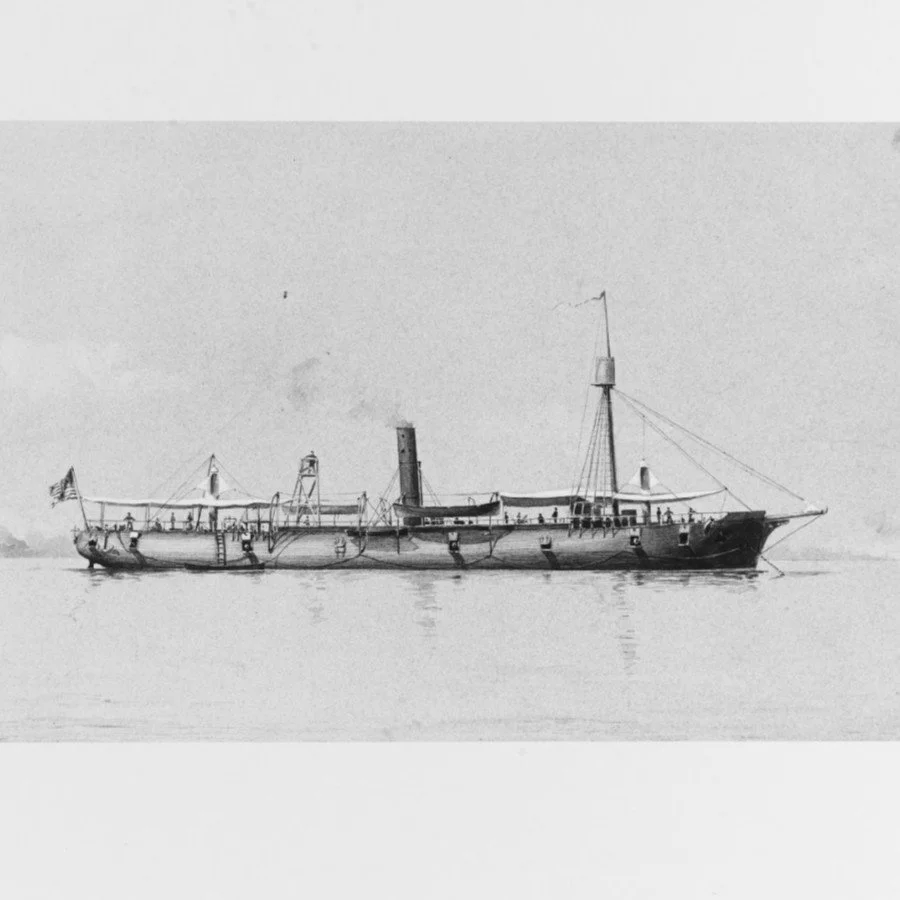
US Navy 100-Pounder Parrott Rifle of USS Galena in Newmanstown, Pennsylvania
US Navy 100-Pounder Parrott Rifle Number 10 is displayed in a cemetery in Newmanstown, Pennsylvania. It was manufactured by West Point Foundry in 1862 and weighs 9.866 pounds.
Many, many thanks to friend of the page James Murray for twice visiting this site to photograph Number 10.
Number 10 is recorded as being carried aboard the ironclad USS Galena during her first commission in 1862-1863.
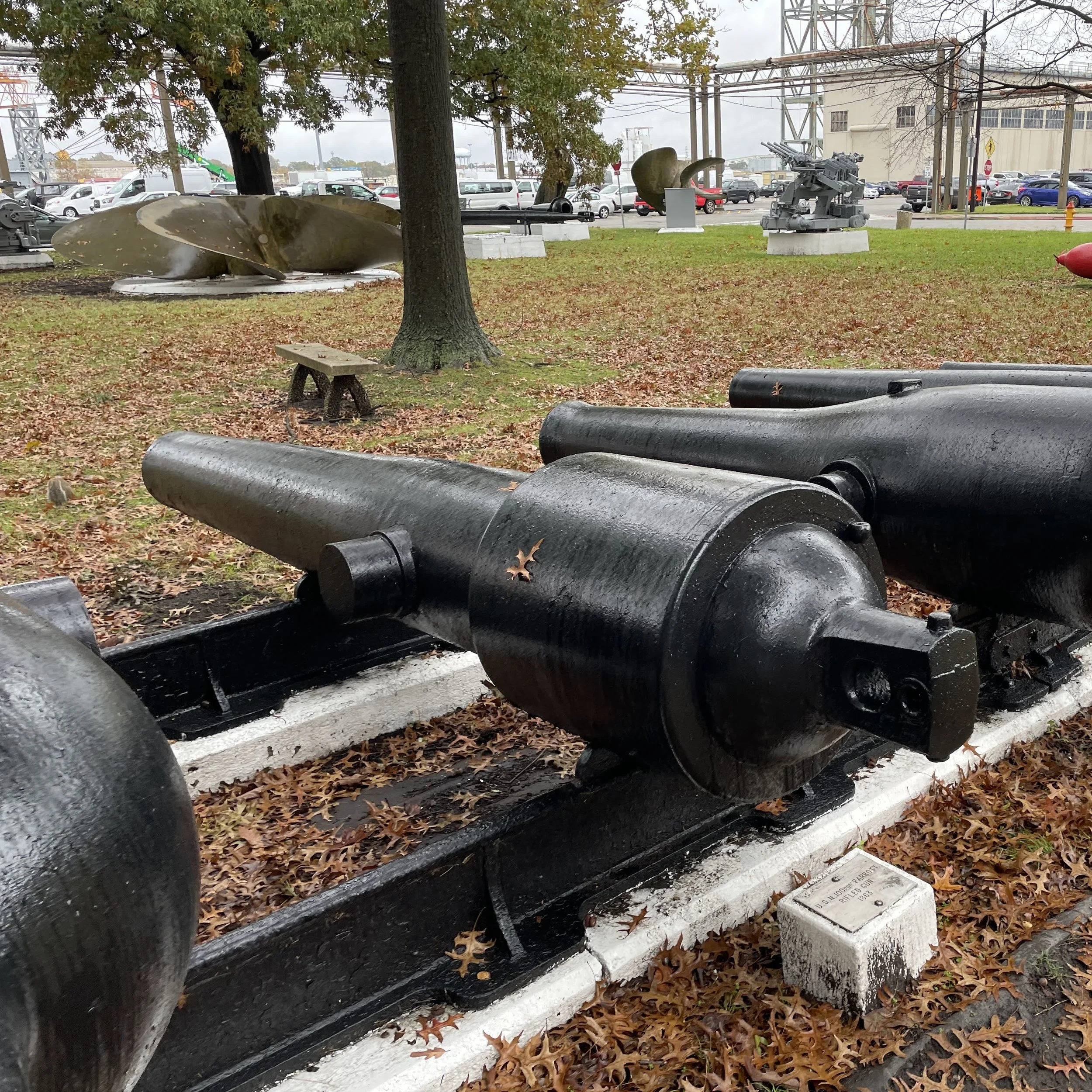
USS Navy 100-Pounder Parrott Rifle of USS Franklin
US Navy 100-Pounder Parrott Rifle, Number 165, is displayed in Trophy Park at Norfolk Naval Shipyard. Manufactured at West Point Foundry in 1863, Number 165 weighs 9,727 pounds. According to the research of Wayne Stark, Number 165 served aboard USS Franklin - likely from the time of her commissioning until at least 1872.

US Navy 100-Pounder Parrott Rifle of USS Otsego in Manhattan, Kansas
A US Navy 100-Pounder Parrott Rifle, Registry Number 224, is displayed in Sunset Cemetery in Manhattan, Kansas. During the American Civil War, it was carried aboard USS Otsego which was sunk by a torpedo in December of 1864.
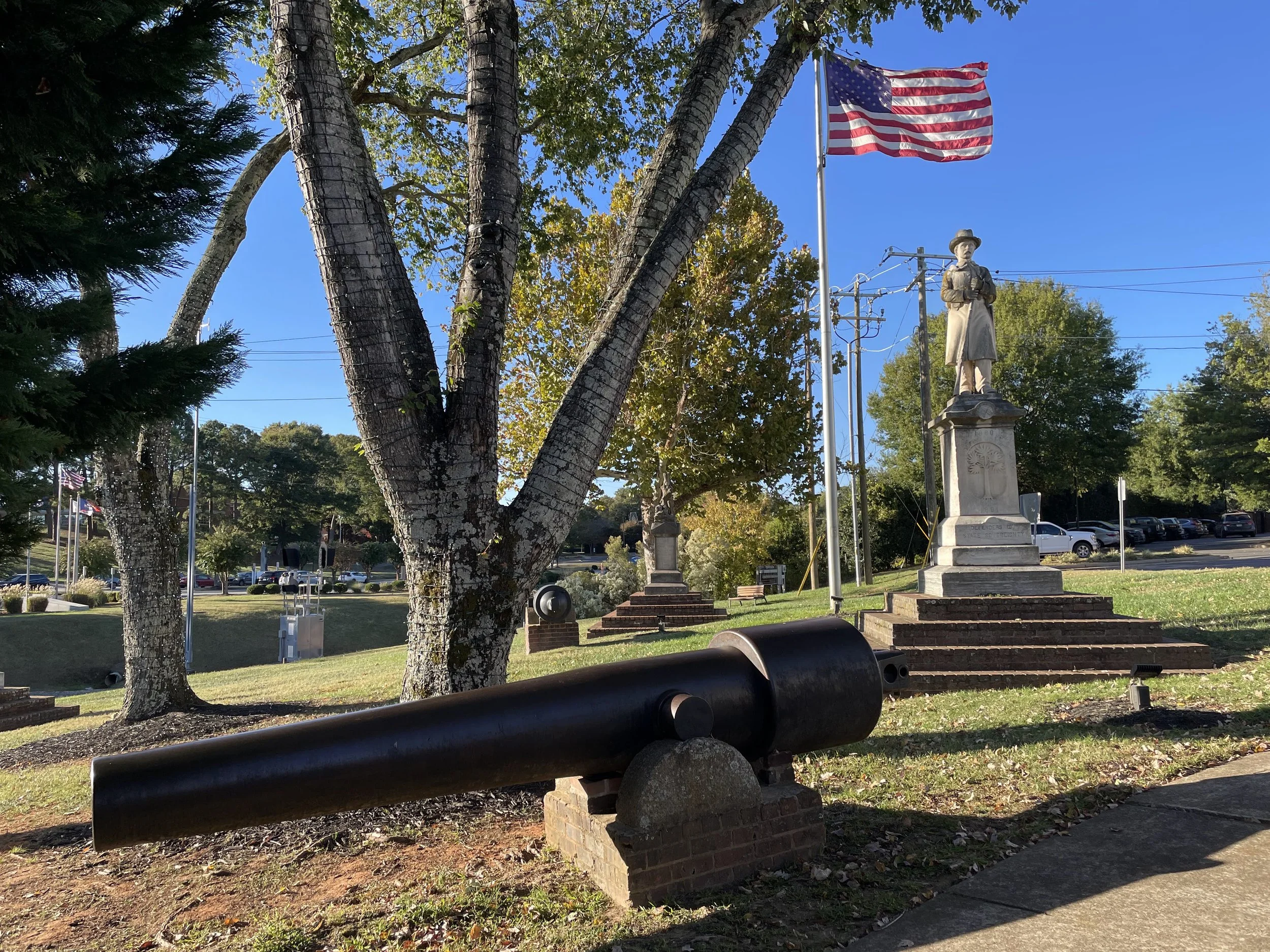
The 100-Pounder Parrott Rifles of Fort Mill, South Carolina
Two US Army 100-Pounder (or 6.4-Inch) Parrott Rifles are displayed in Fort Mill, South Carolina. The two Parrotts were brought to the town around 1901. Since 1973 they have been fired every year as part of the Fourth of July celebrations.
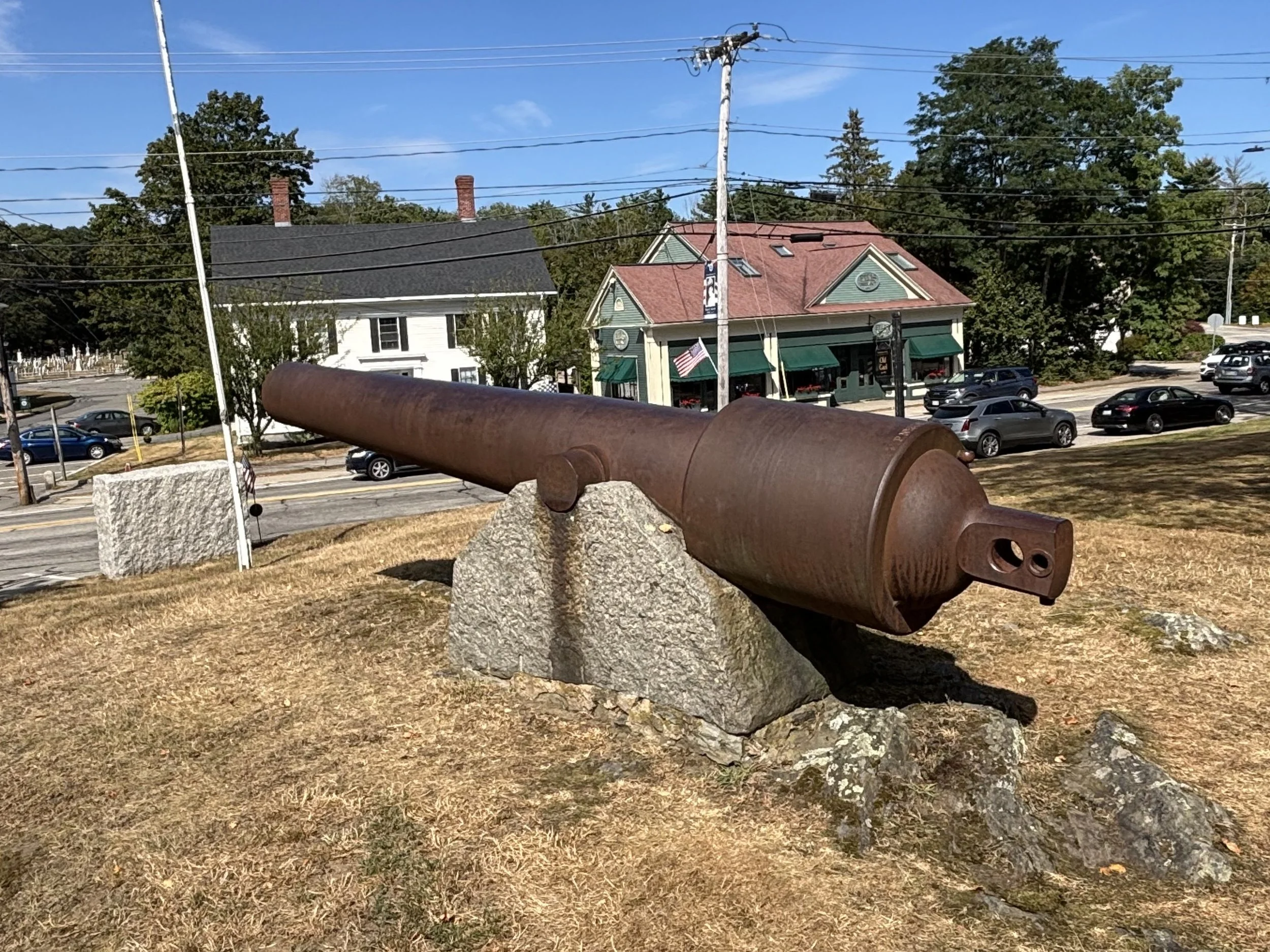
The 100-Pounder Parrott Rifle of USS Dawn at York, Maine
A US Navy 100-Pounder Parrott Rifle, US Navy Registry Number 206, is displayed in front of the Old Gaol in York, Maine. Number 206 was cast at West Point Foundry in 1863. It’s weight as manufactured is 9,672 pounds. According to the research of Olmstead, Stark, and Tucker, Number 206 served aboard USS Dawn during the American Civil War.
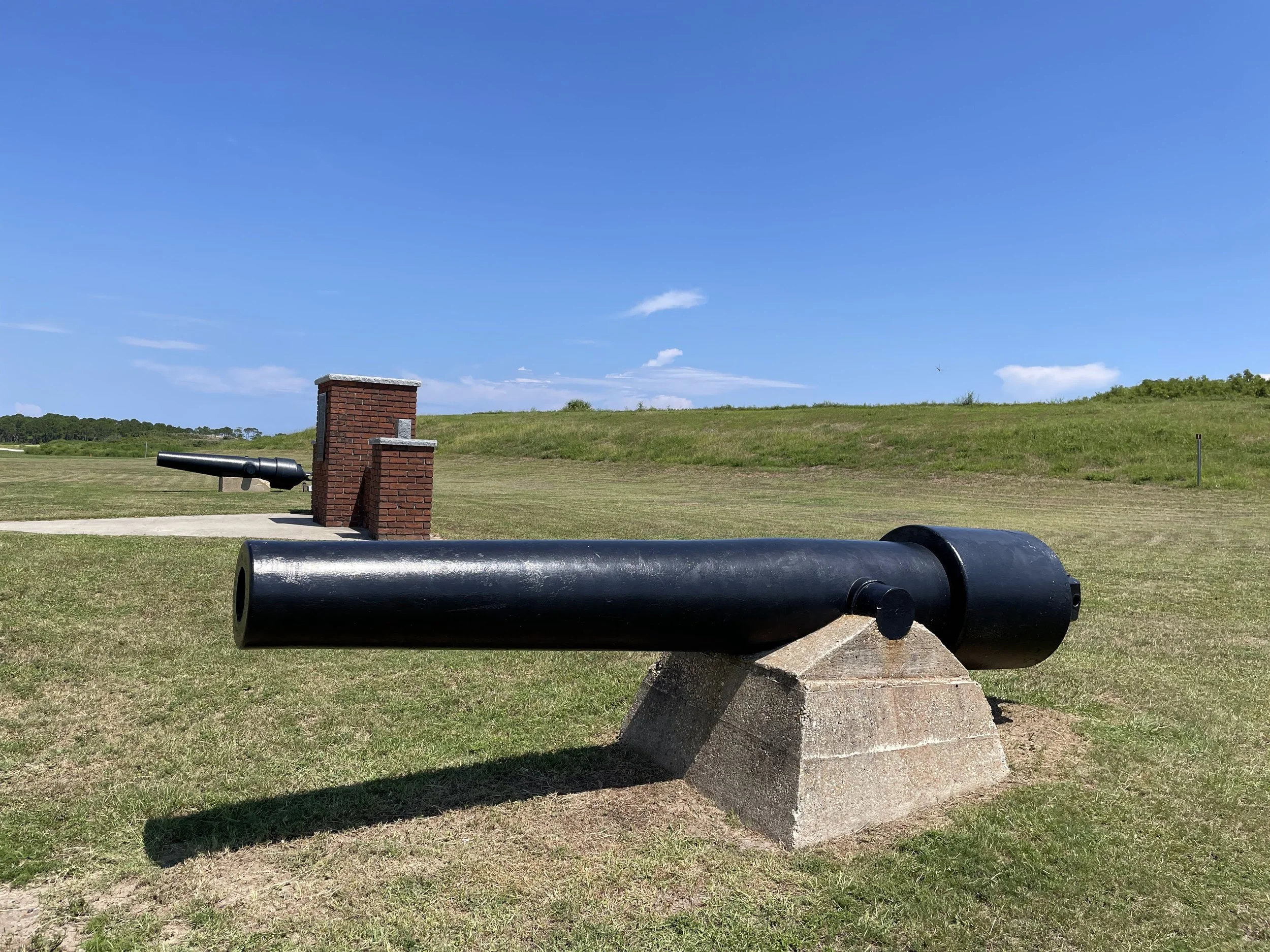
US Army 100-Pounder Parrott Rifle of Fort Morgan
A US Army 100-Pounder (6.4-Inch) Parrott Rifle, Number 90, is displayed near the entrance to Fort Morgan in Alabama. It was cast by West Point Foundry in 1863. As manufactured it weighed 9,827 pounds. It represents the cannons brought to the fort by the US Army in the 1870s.
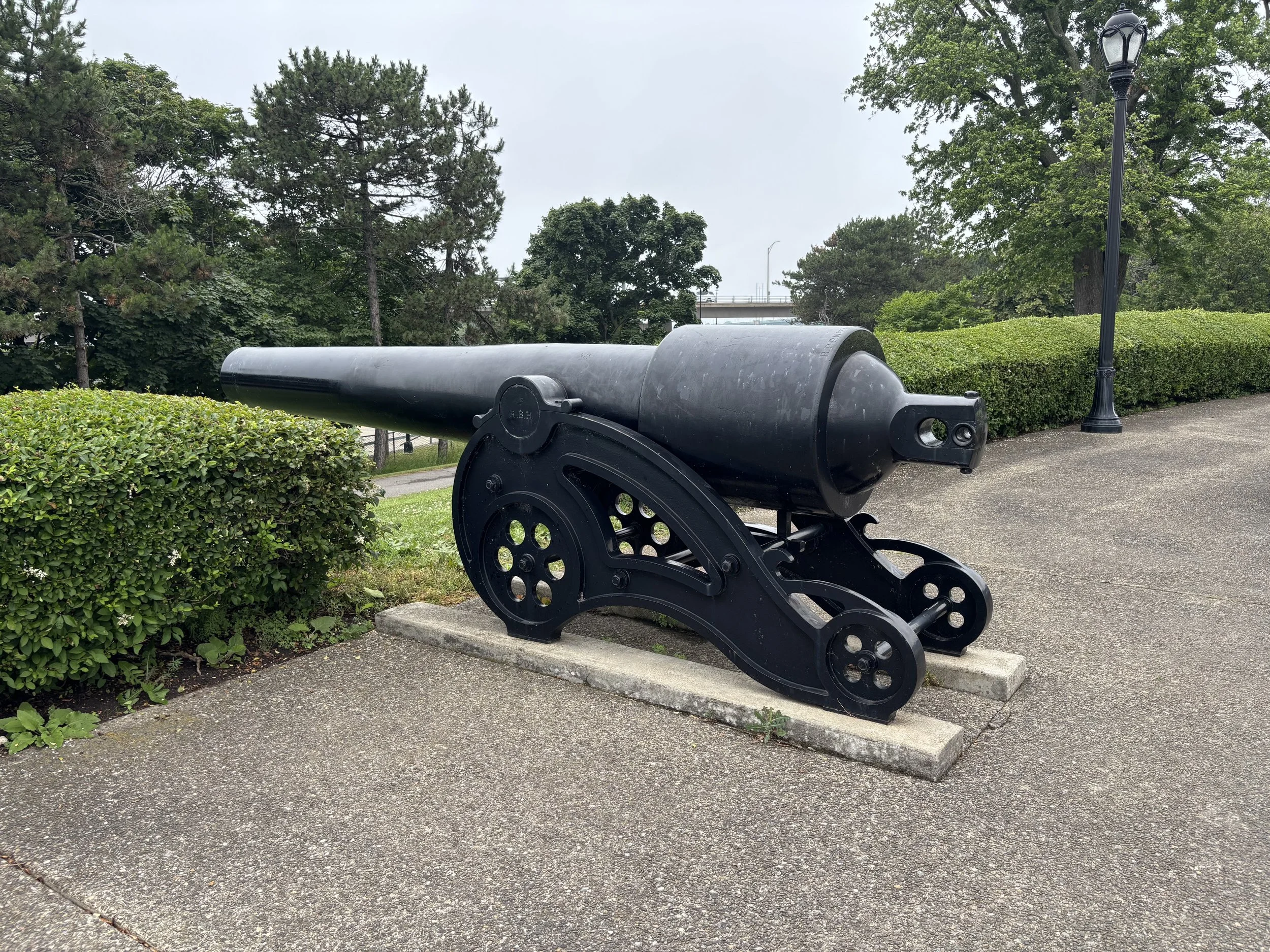
US Navy 100-Pounder Parrott Rifles of Buffalo, New York
Two US Navy 100-Pounder Parrott Rifles, Numbers 346 and 352, are displayed in Front Park in Buffalo, New York. Both are marked "Water Core" on the muzzle signifying that they were cast according to Rodman's technique. The Parrotts are mounted on a ornamental iron pedestal which is in the shape of a stylized carriage.

US Navy 100-Pounder Parrott Rifles of Reynoldsville, Pennsylvania
Two US Navy 100-Pounder (6.4-Inch) Parrott Rifles are displayed at Veterans Memorial Park in Reynoldsville, Pennsylvania. The two cannons are displayed on iron display stands. One or perhaps both of these Parrotts may have been used in action by the US Navy against the ironclad ram CSS Albemarle during the Battle of Albemarle Sound on May 5th, 1864.

The 6.4-Inch Parrott Rifles of Greenville, South Carolina
Two 6.4-Inch Parrott Rifles (also called 100-Pounder Parrott Rifles) are displayed in Greenville, South Carolina beside a Confederate Monument. Despite flanking a Confederate Monument, they were produced for the US Army, and cannons with “neighboring” serial numbers are known to have been used to bombard Confederate positions near Charleston. It is possible that these two cannons saw similar service.
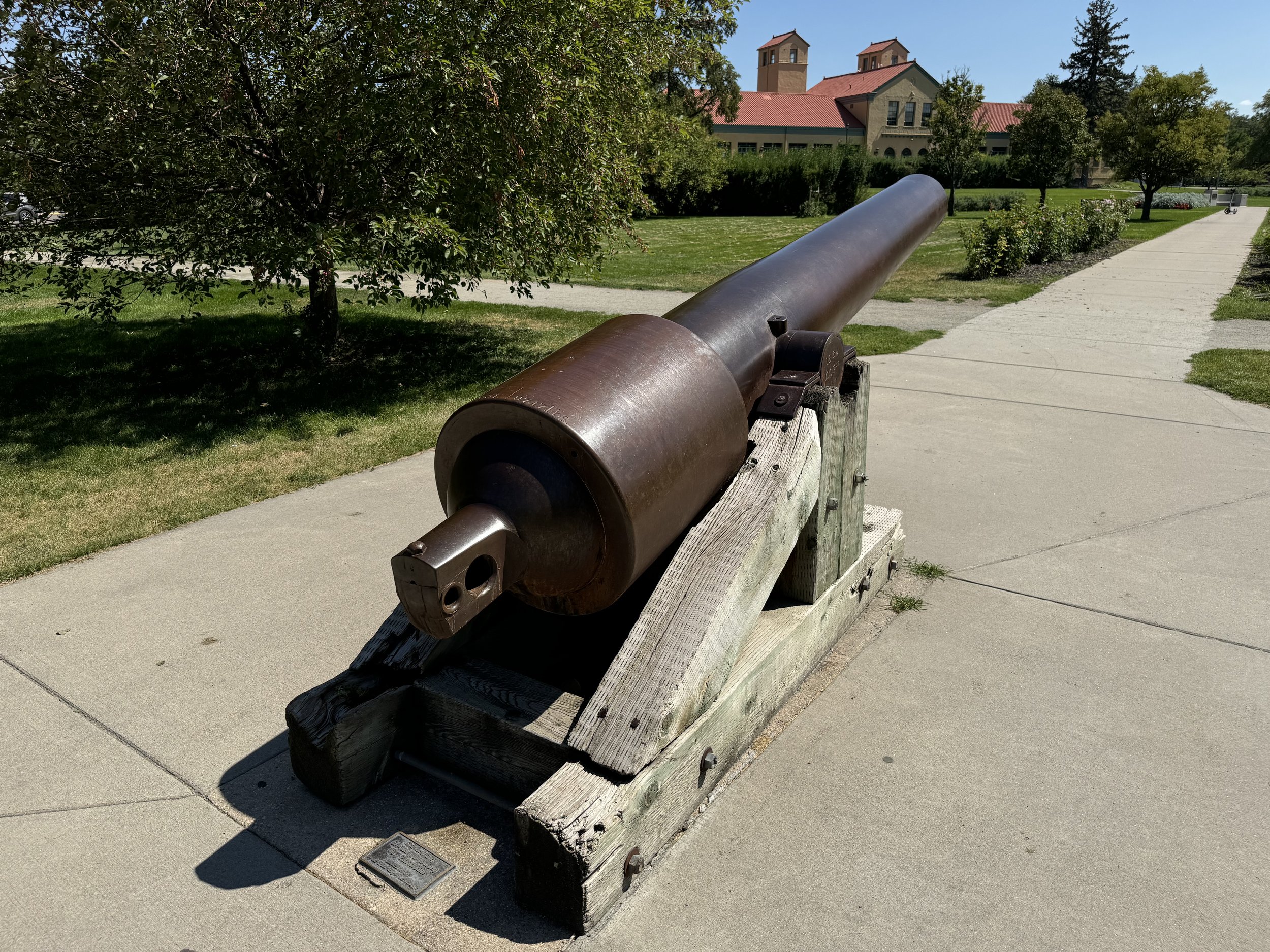
“Report on Rifled Guns” - 1865 Report on Parrott Rifles by the US Navy Bureau of Ordnance
After 5 US Navy Parrott Rifles failed causing some 45 casualties during the First Battle of Fort Fisher in December of 1865, the Bureau of Ordnance was tasked with determining the cause of the failures and whether Parrott Rifles continued to be suitable for use by the United States Navy. The report is transcribed in this post.

The Cannons of Denver’s City Park
Three Civil War era cannons have been displayed near the Pavilion at City Park in Denver, Colorado since 1897. They are an 11-Inch Dahlgren, a 6.4-Inch Parrott Rifle, and a 13-Inch Mortar. They surround a statue of Robert Burns.
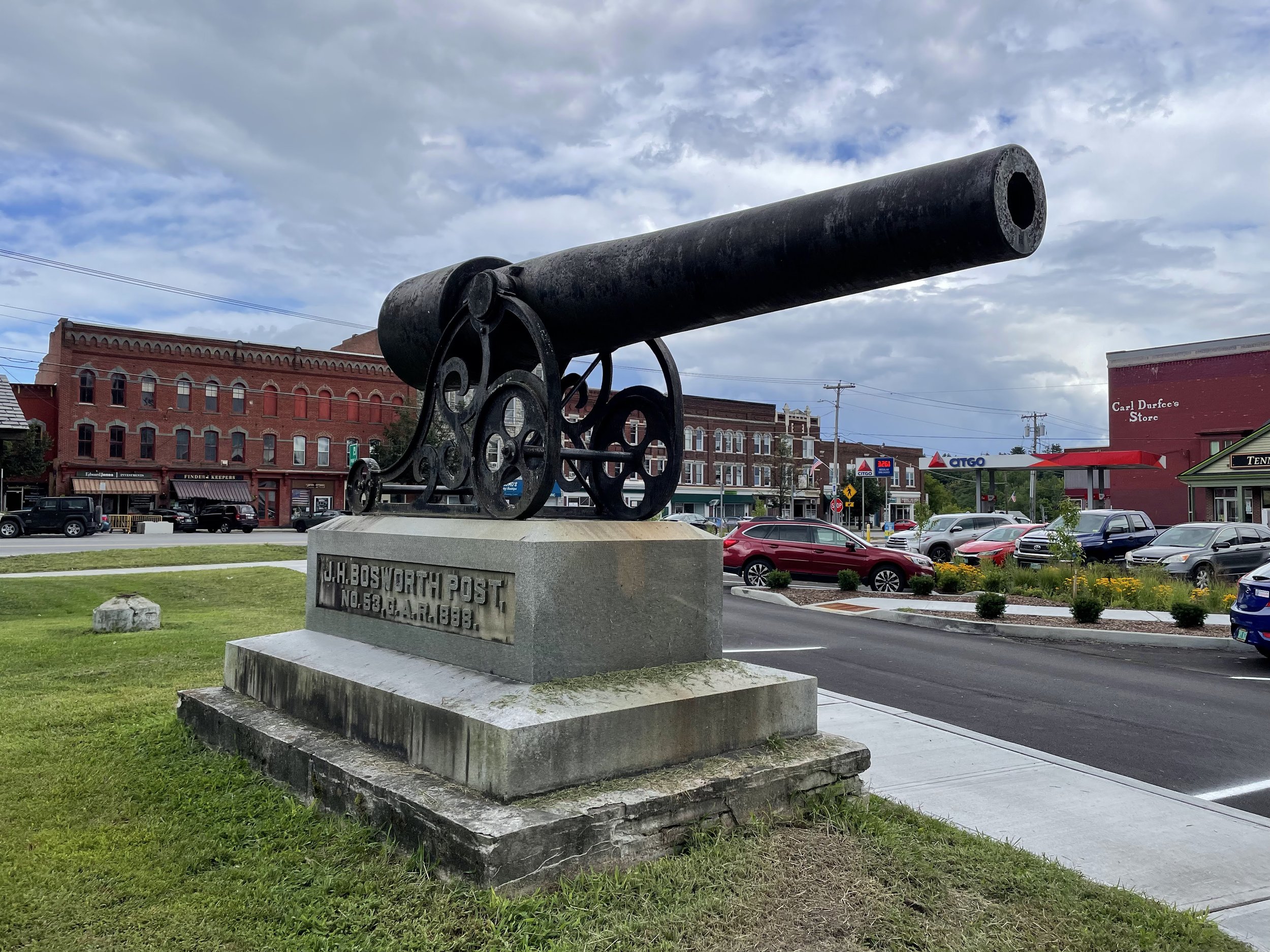
The 6.4-Inch Parrott Rifle of Fair Haven, Vermont
A 6.4-Inch (or 100-Pounder) Parrott Rifle is displayed on a pedestal in Fair Haven, Vermont.
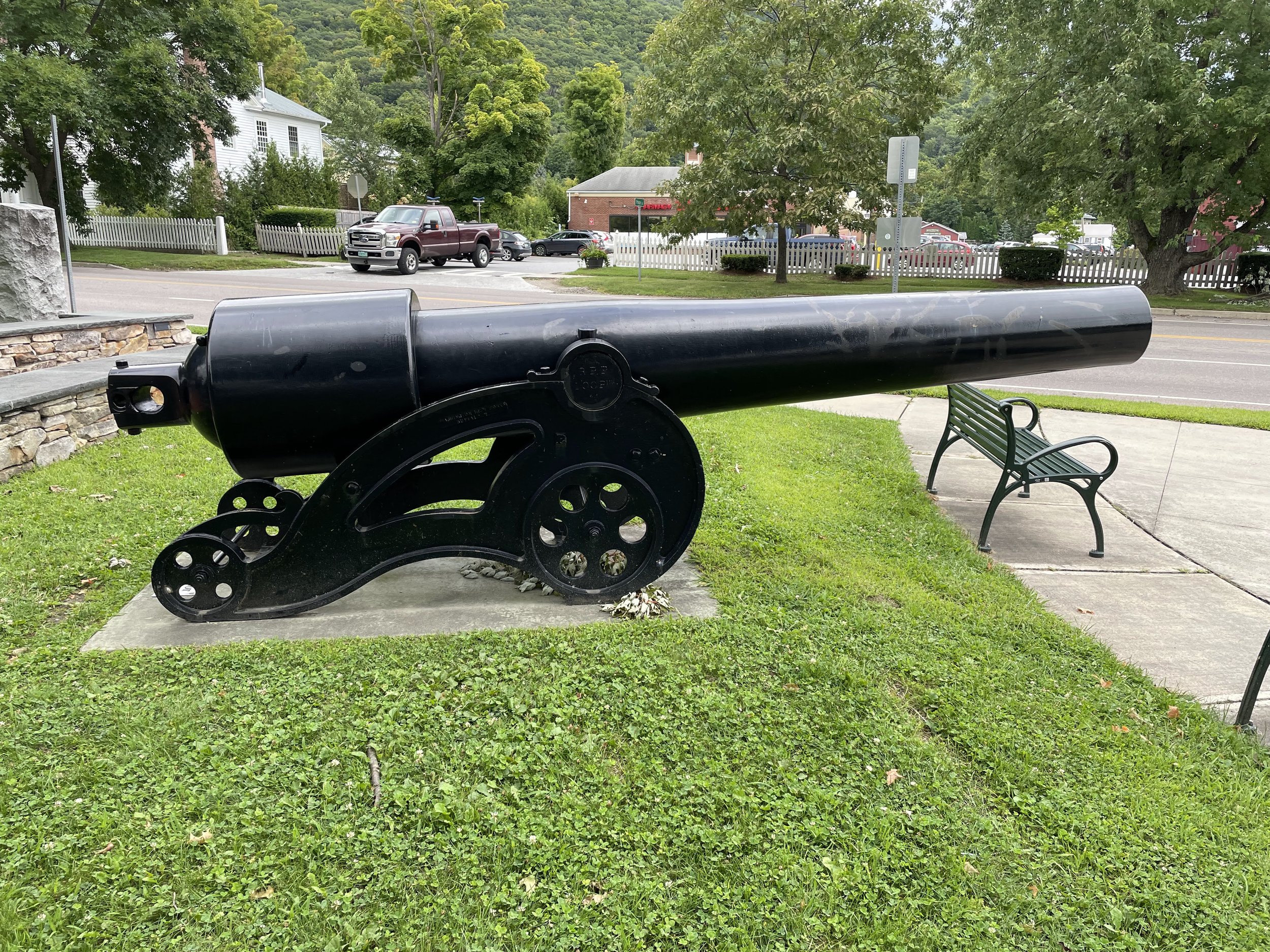
6.4-Inch Parrott Rifle in Bristol, Vermont
A 6.4-Inch (or 100-Pounder) Parrott Rifle is displayed on the town square in Bristol, Vermont.