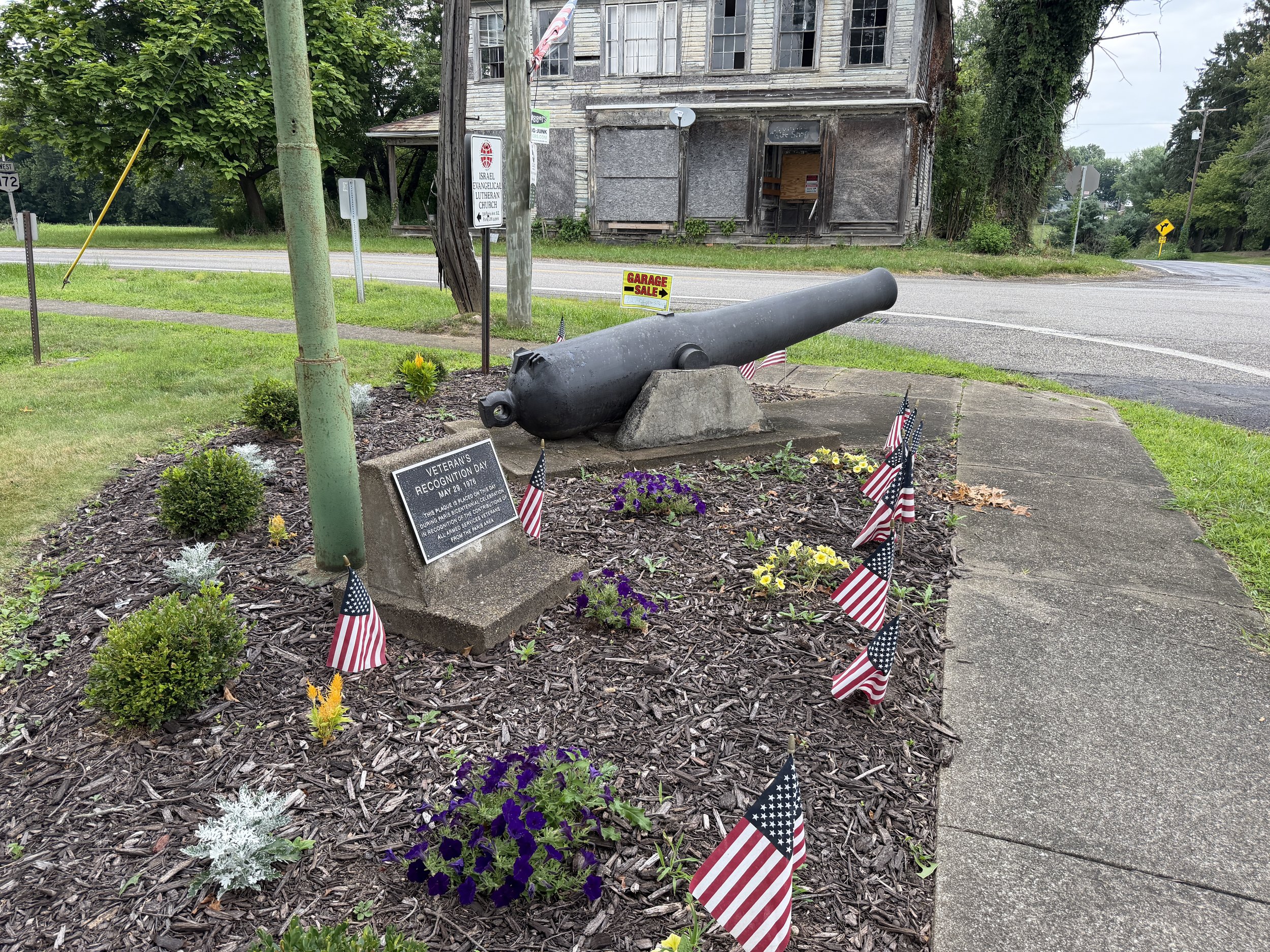
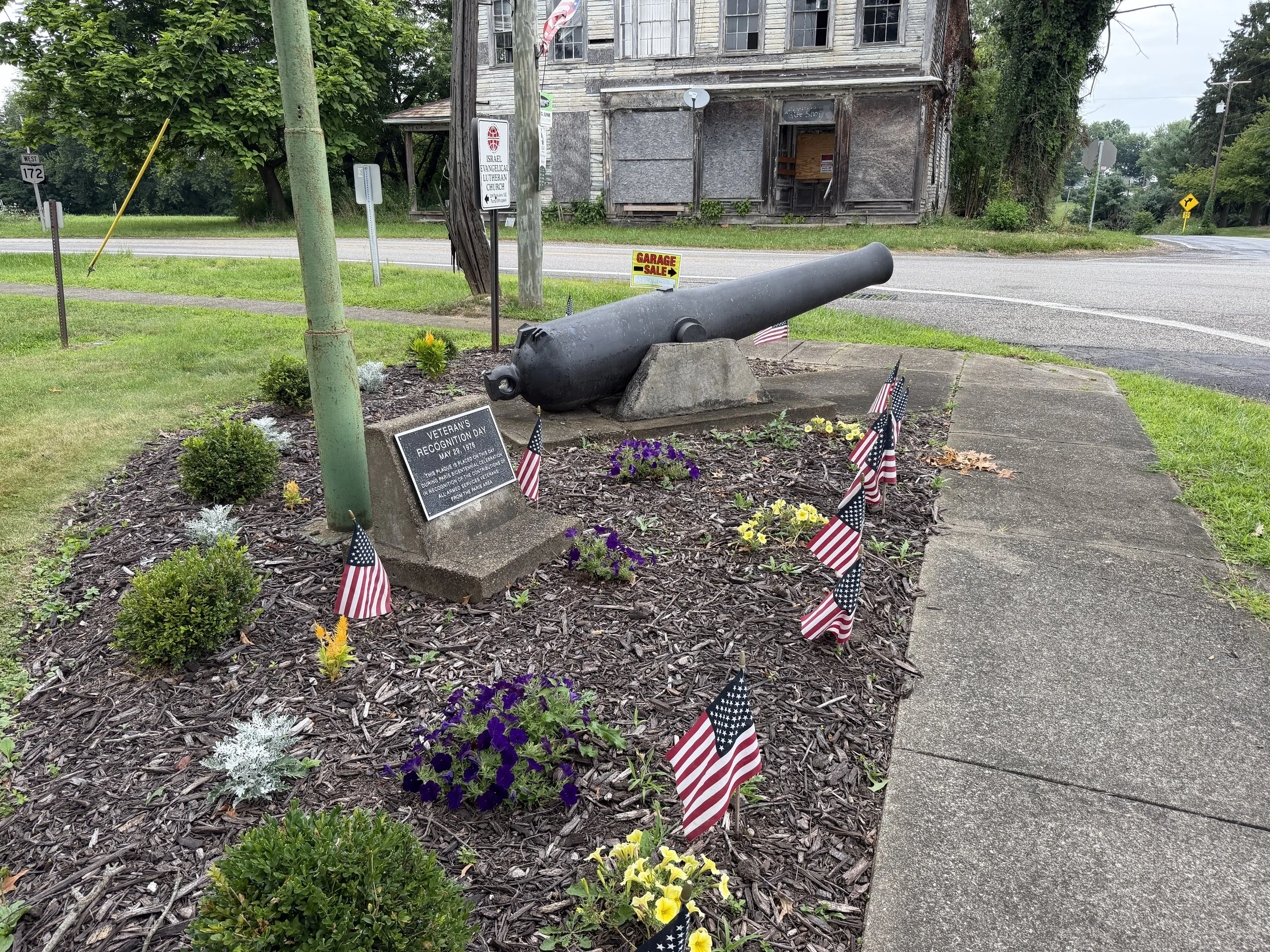
US Navy 32-Pounder of 4,500 Pounds of USS Santee in Paris, Ohio
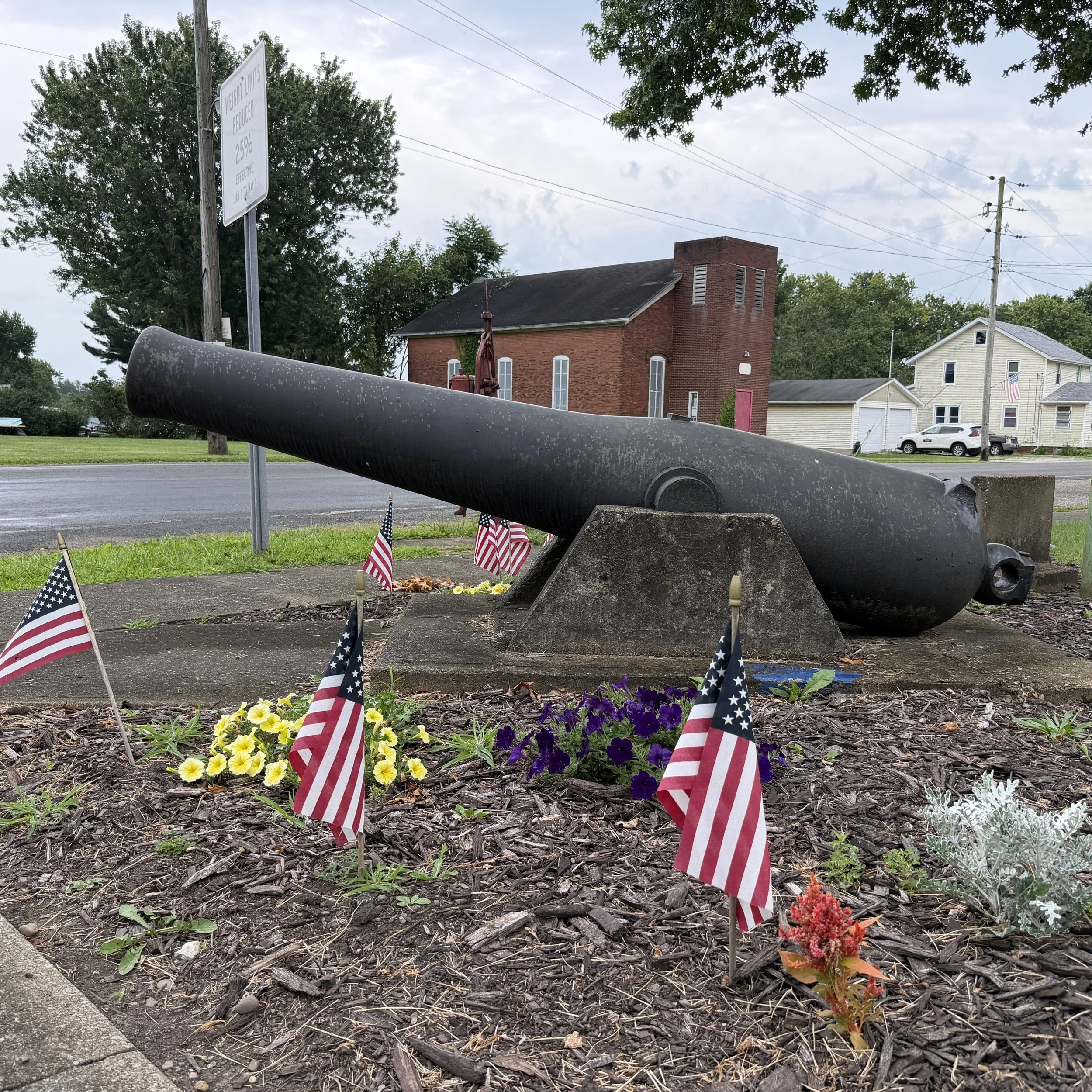
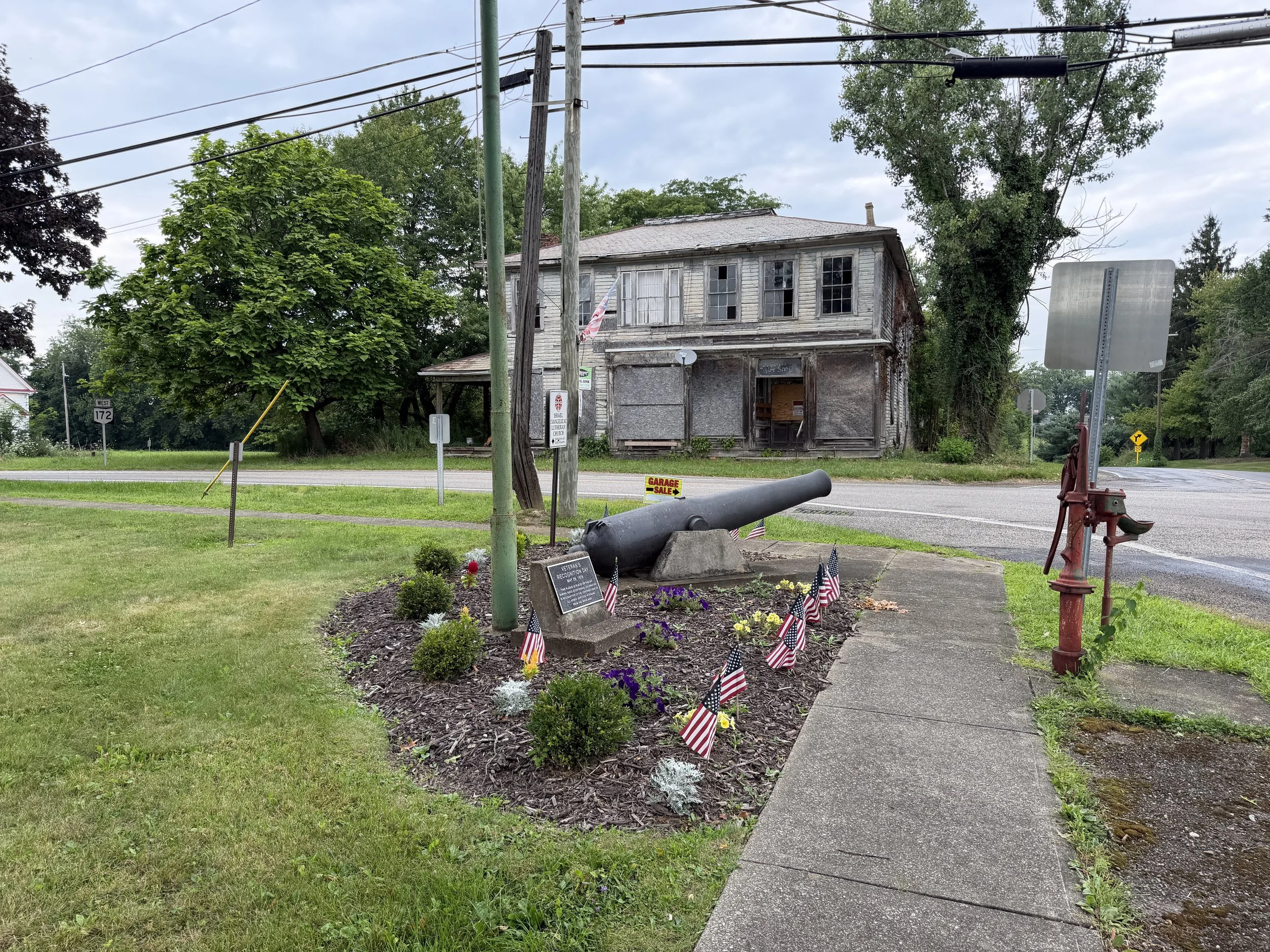
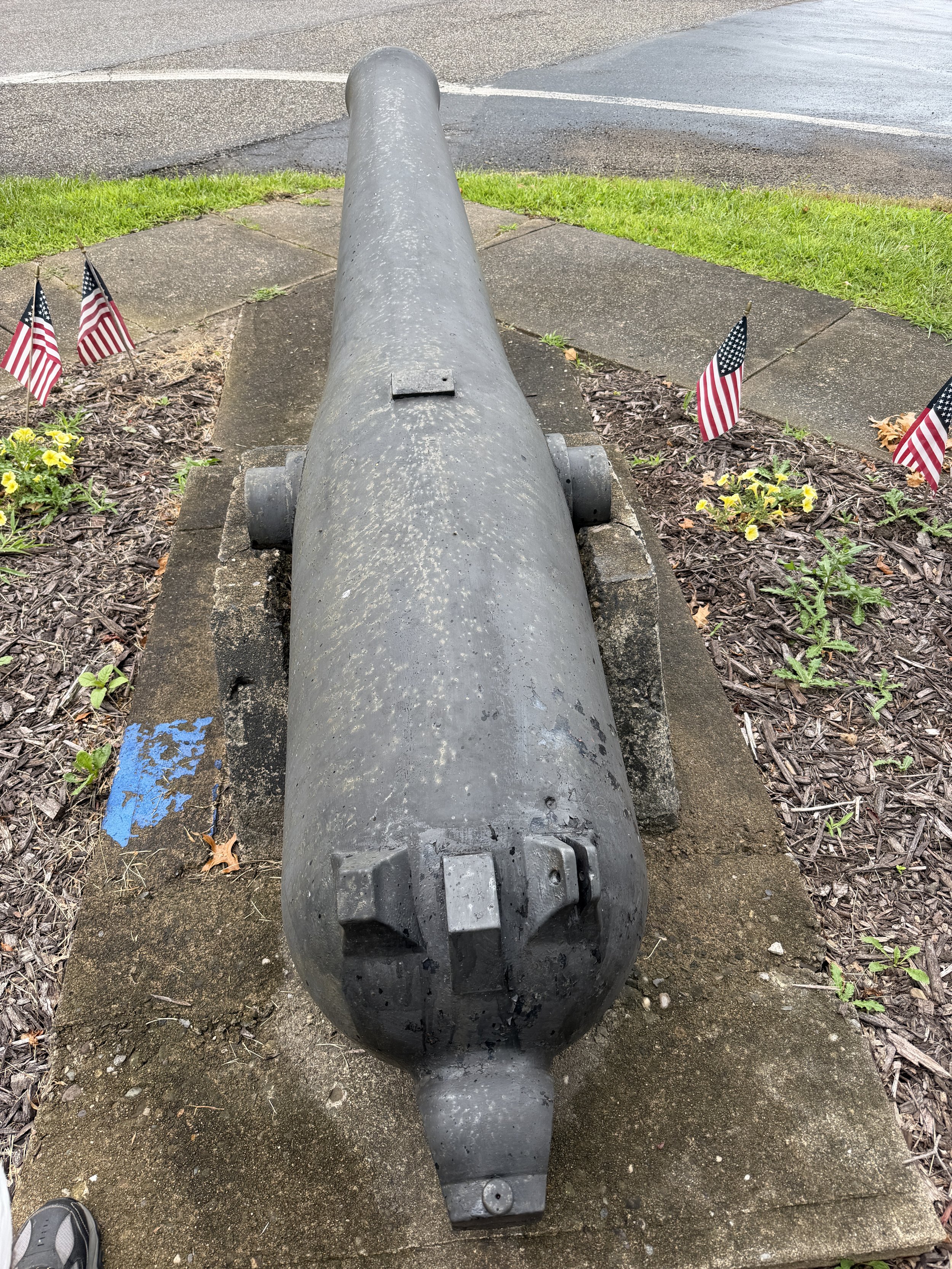
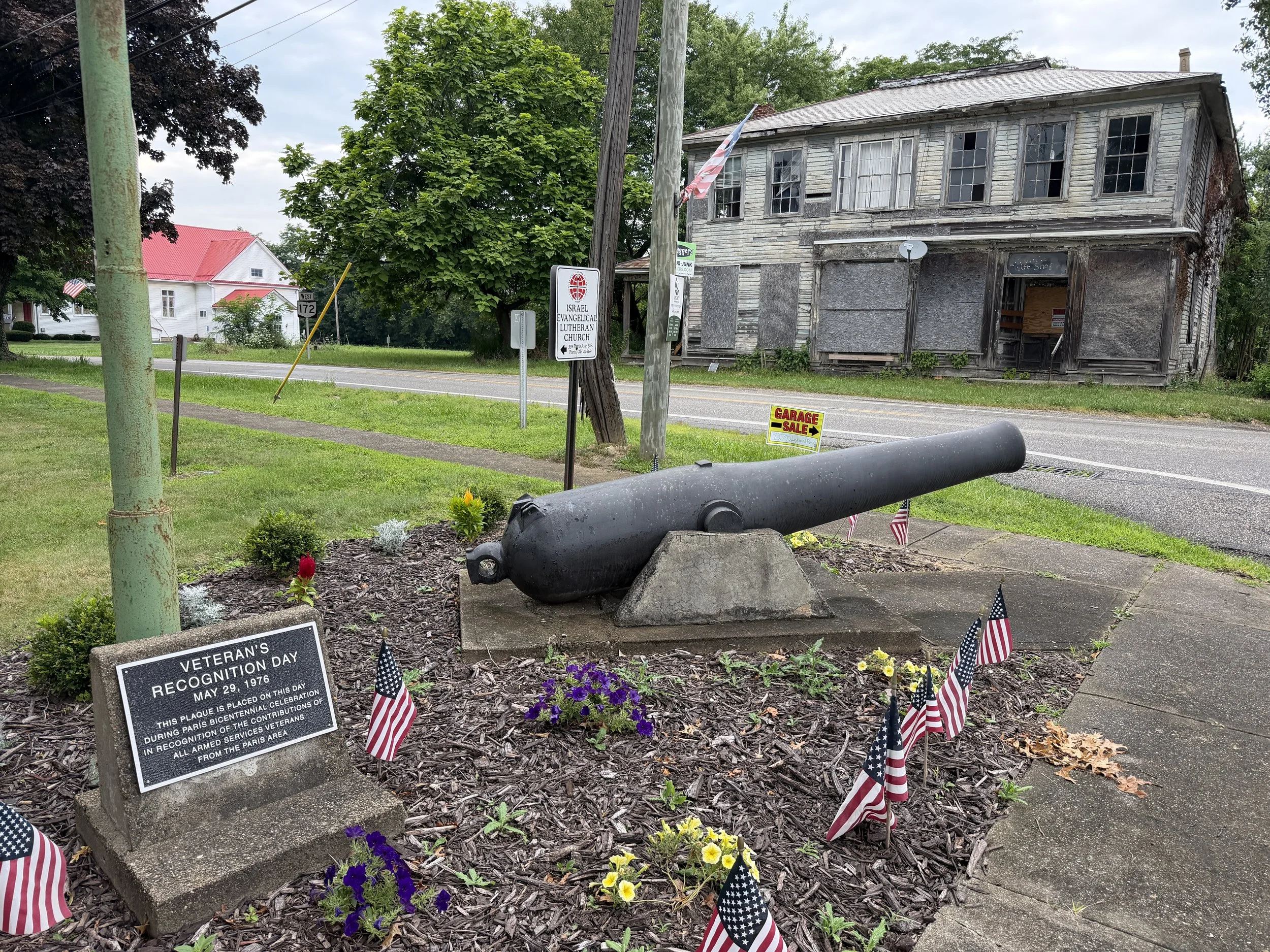
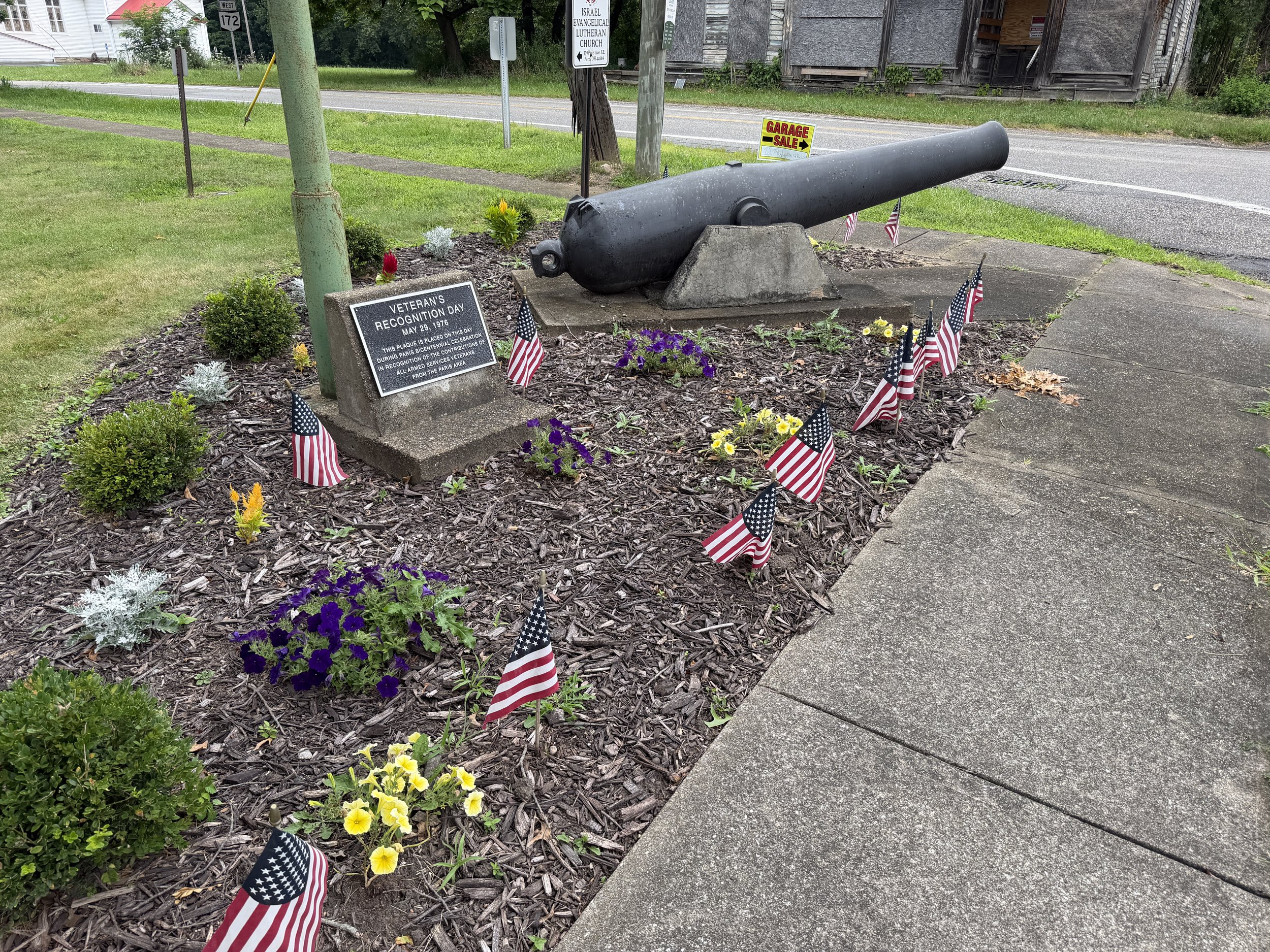
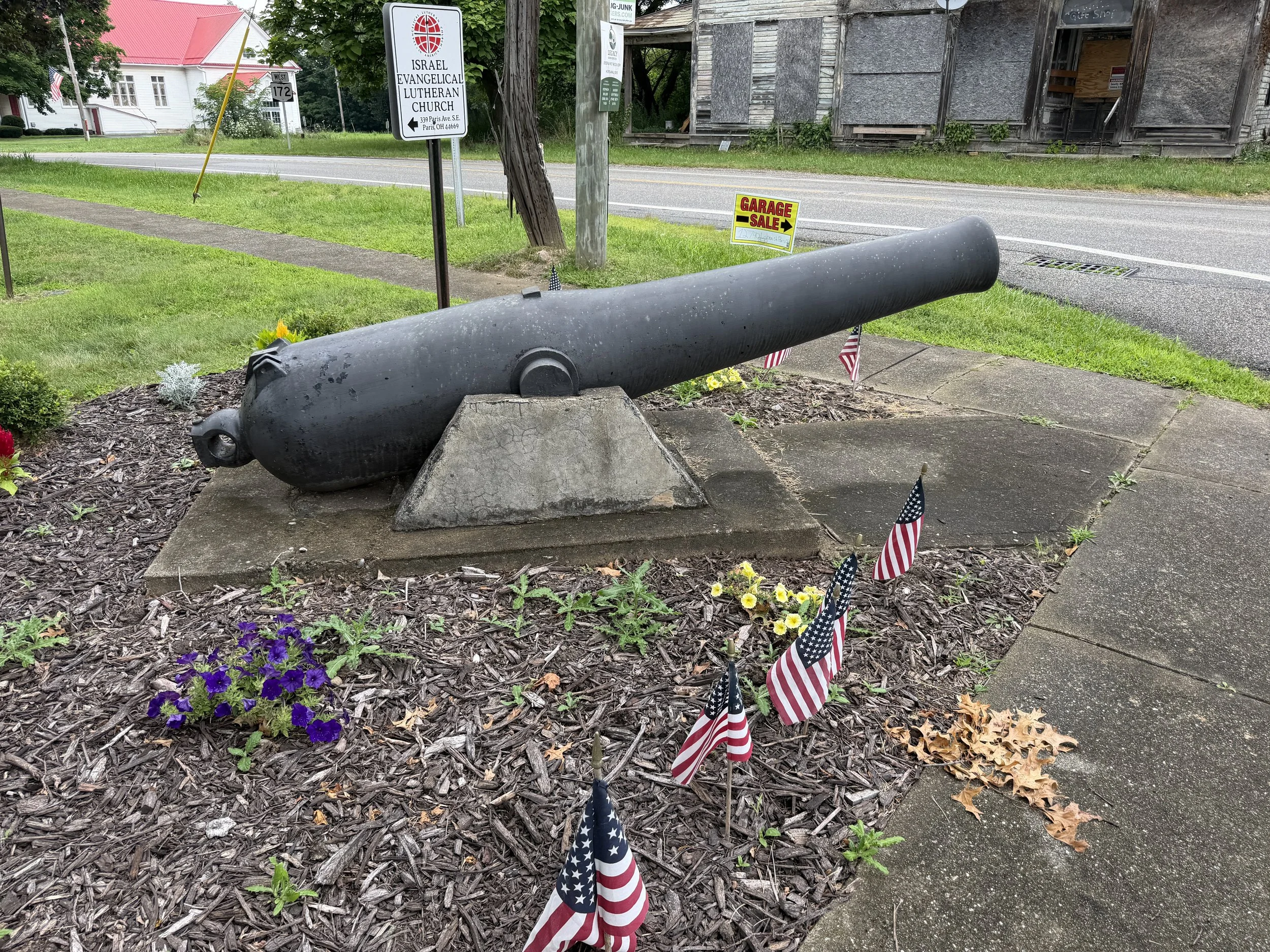
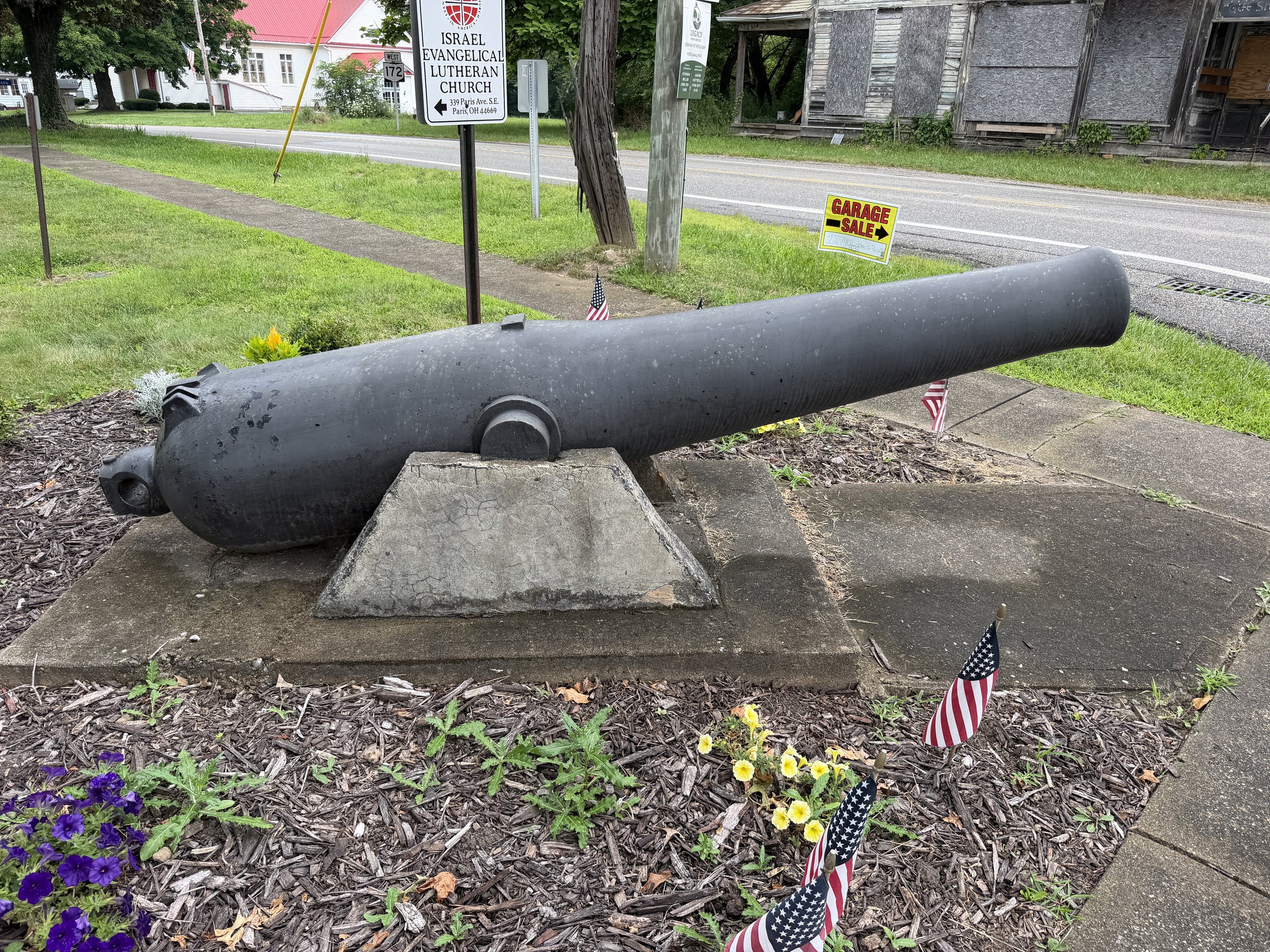
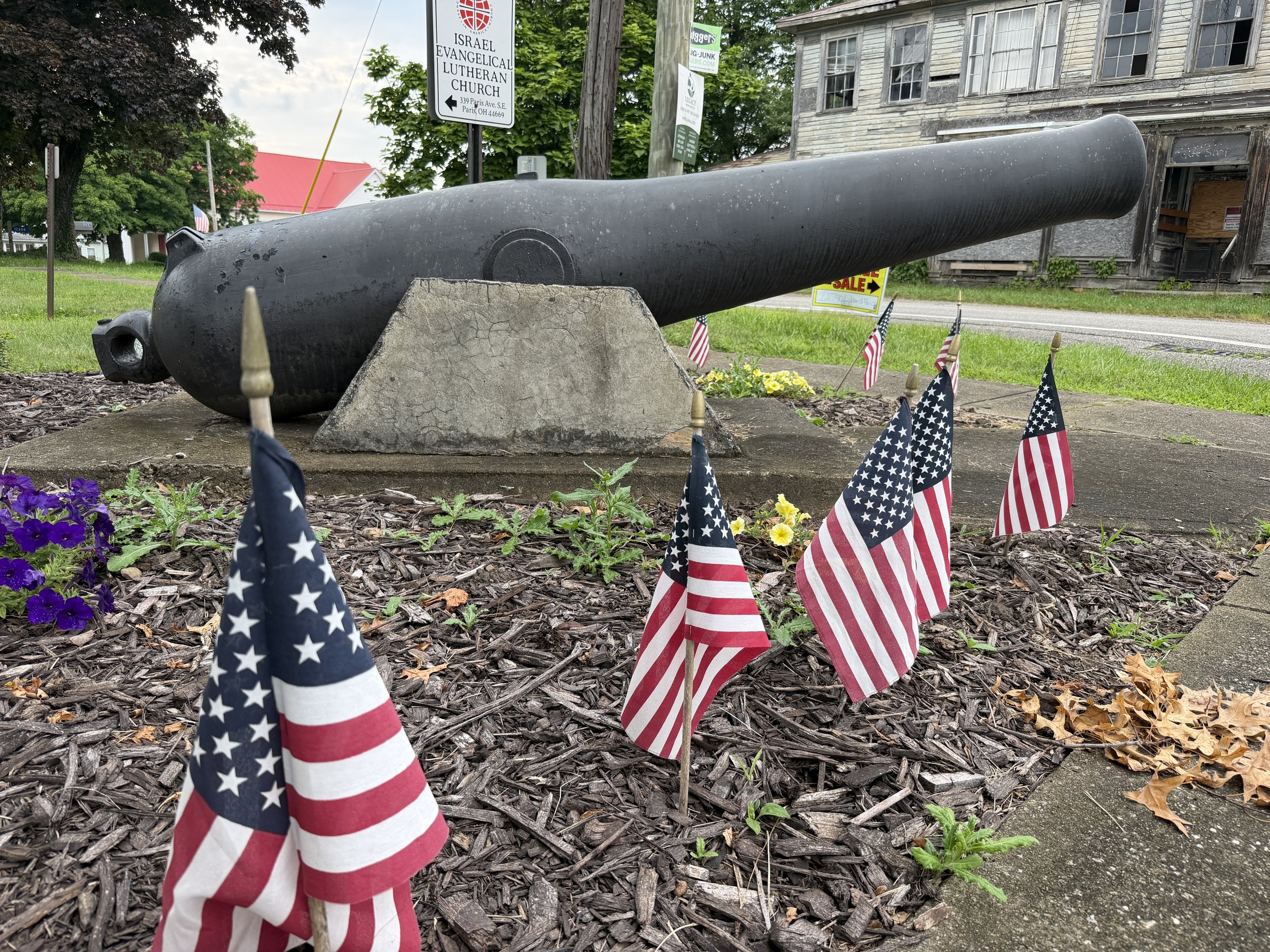
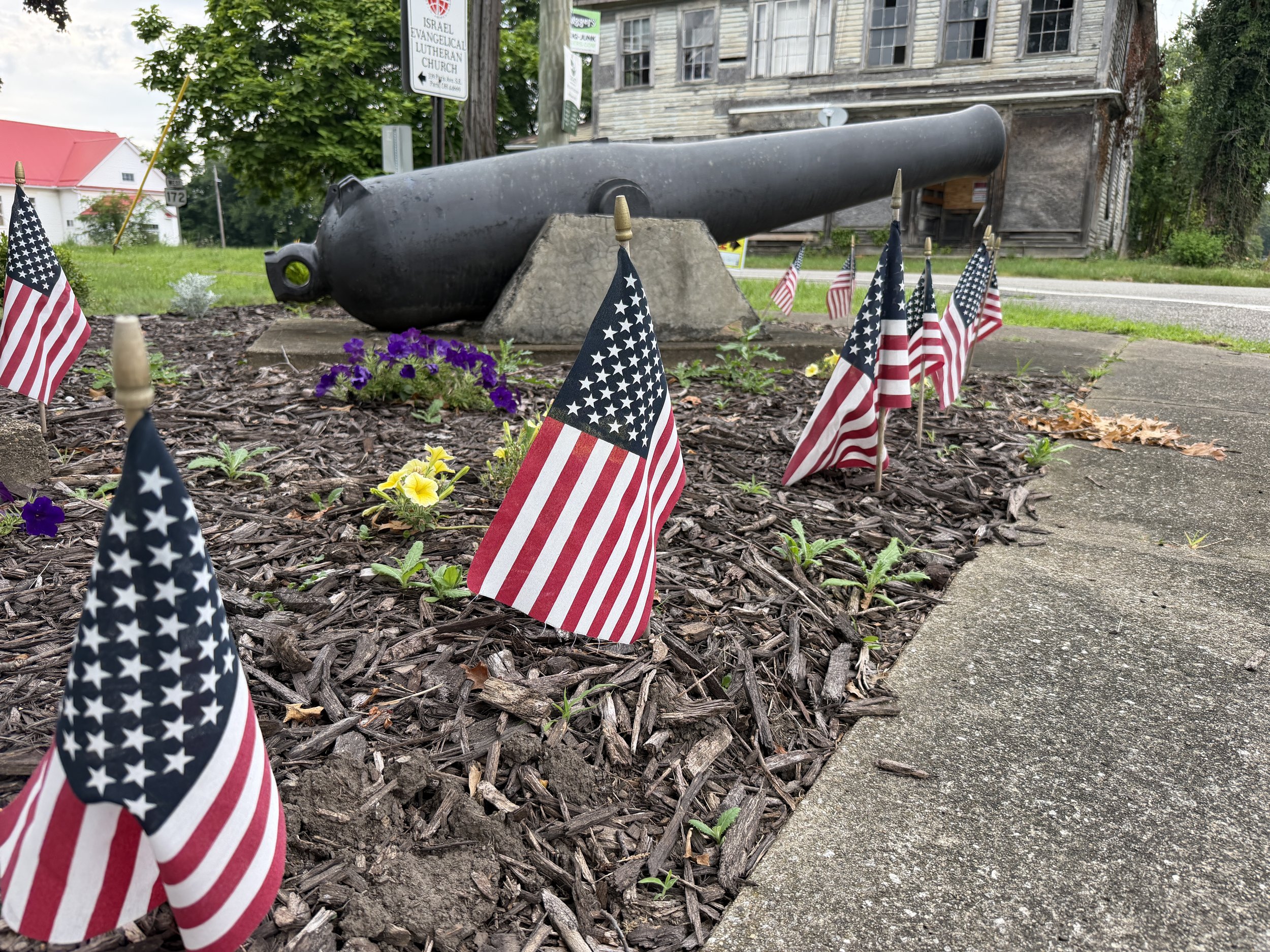
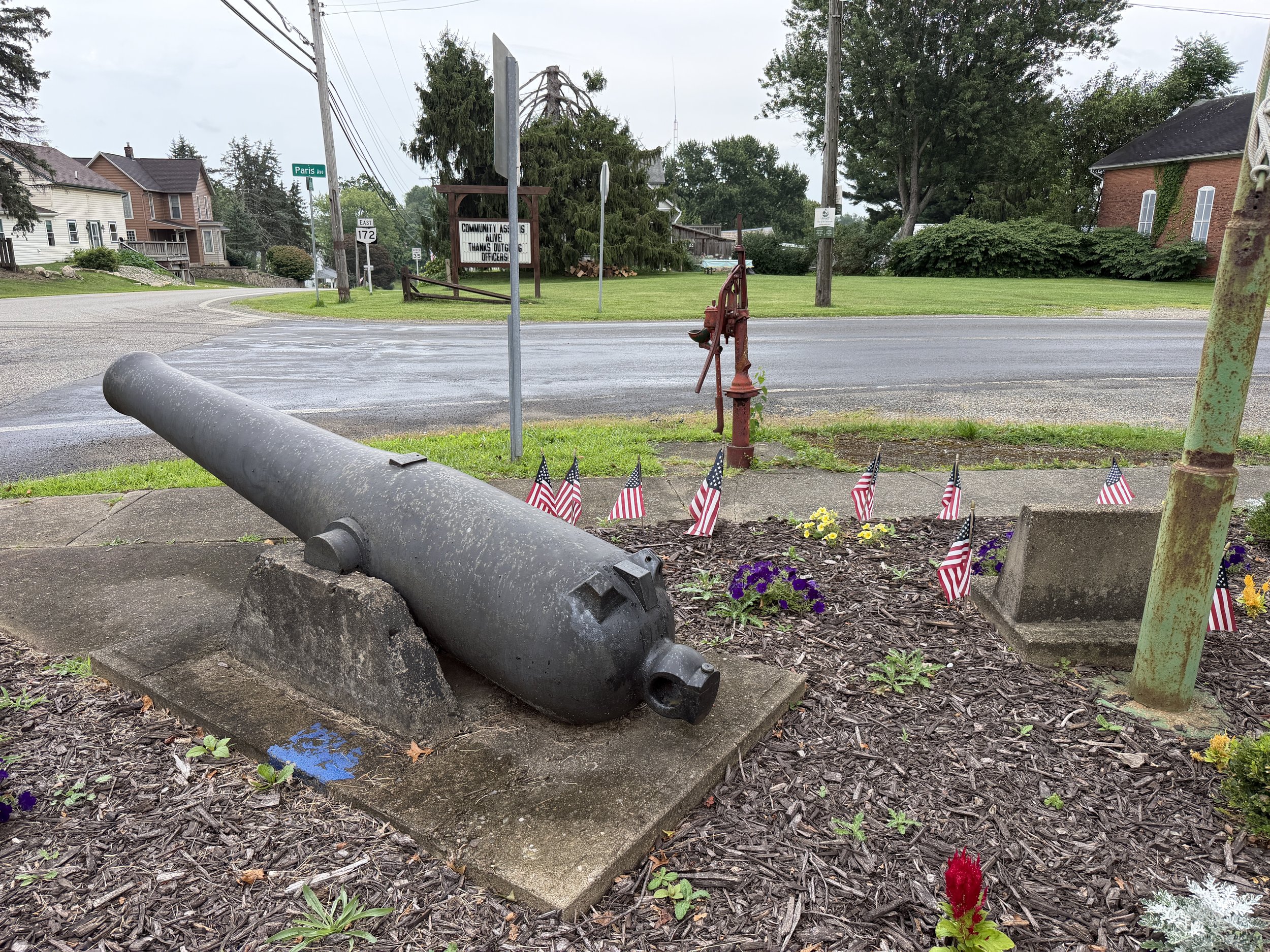
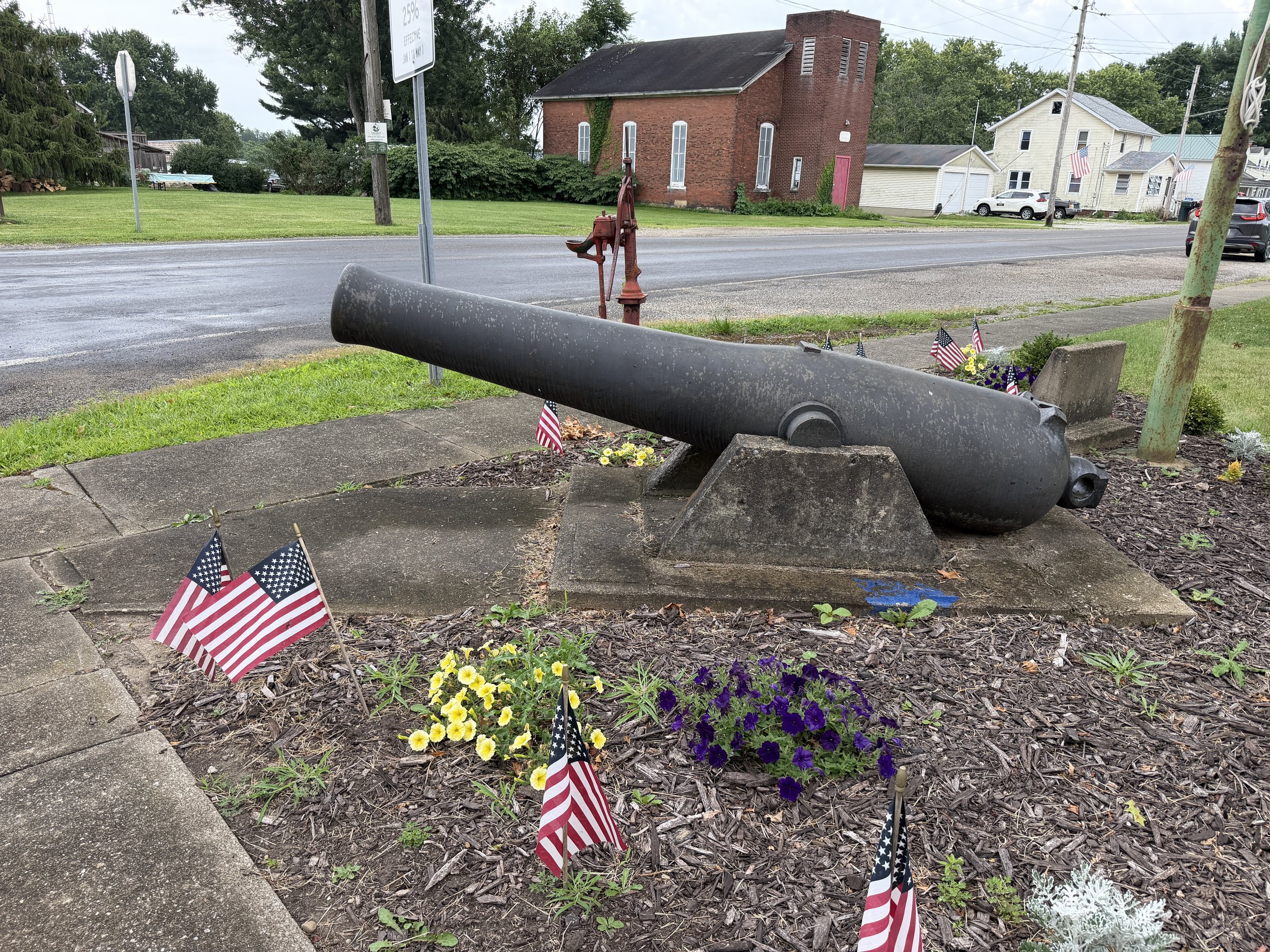
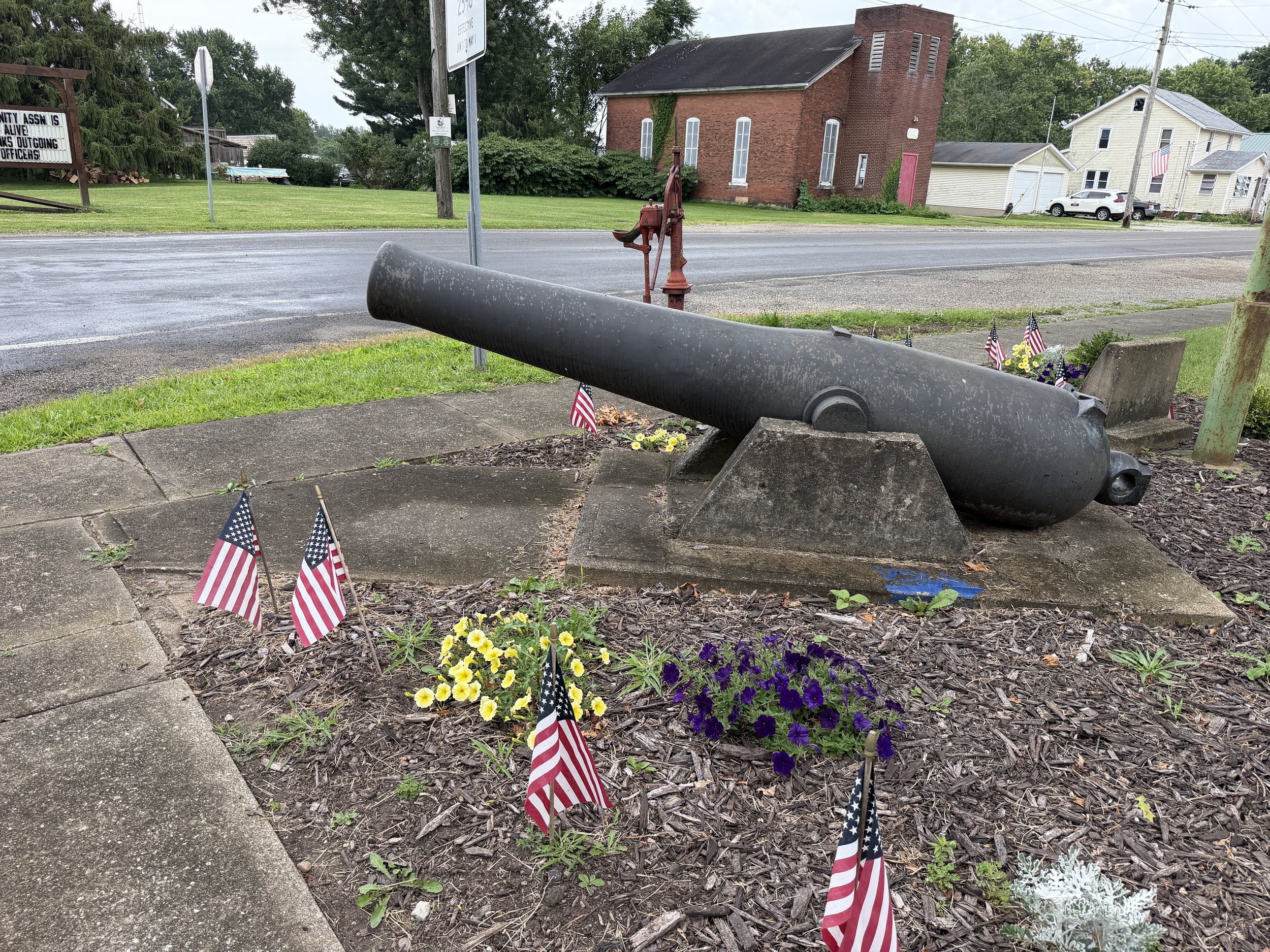
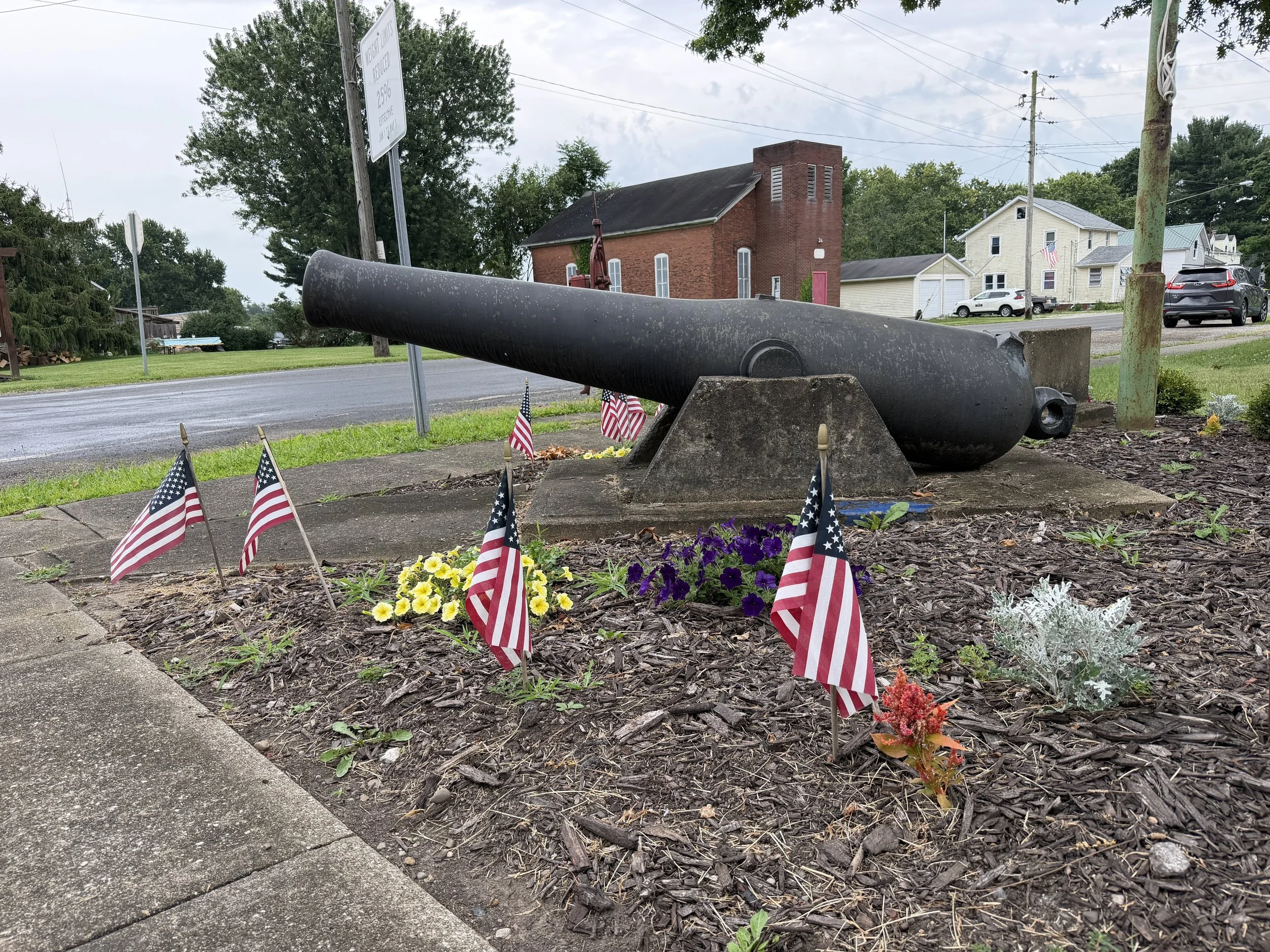
US Navy 32-Pounder of 4,500 Pounds Number 52 is displayed in Paris, Ohio.
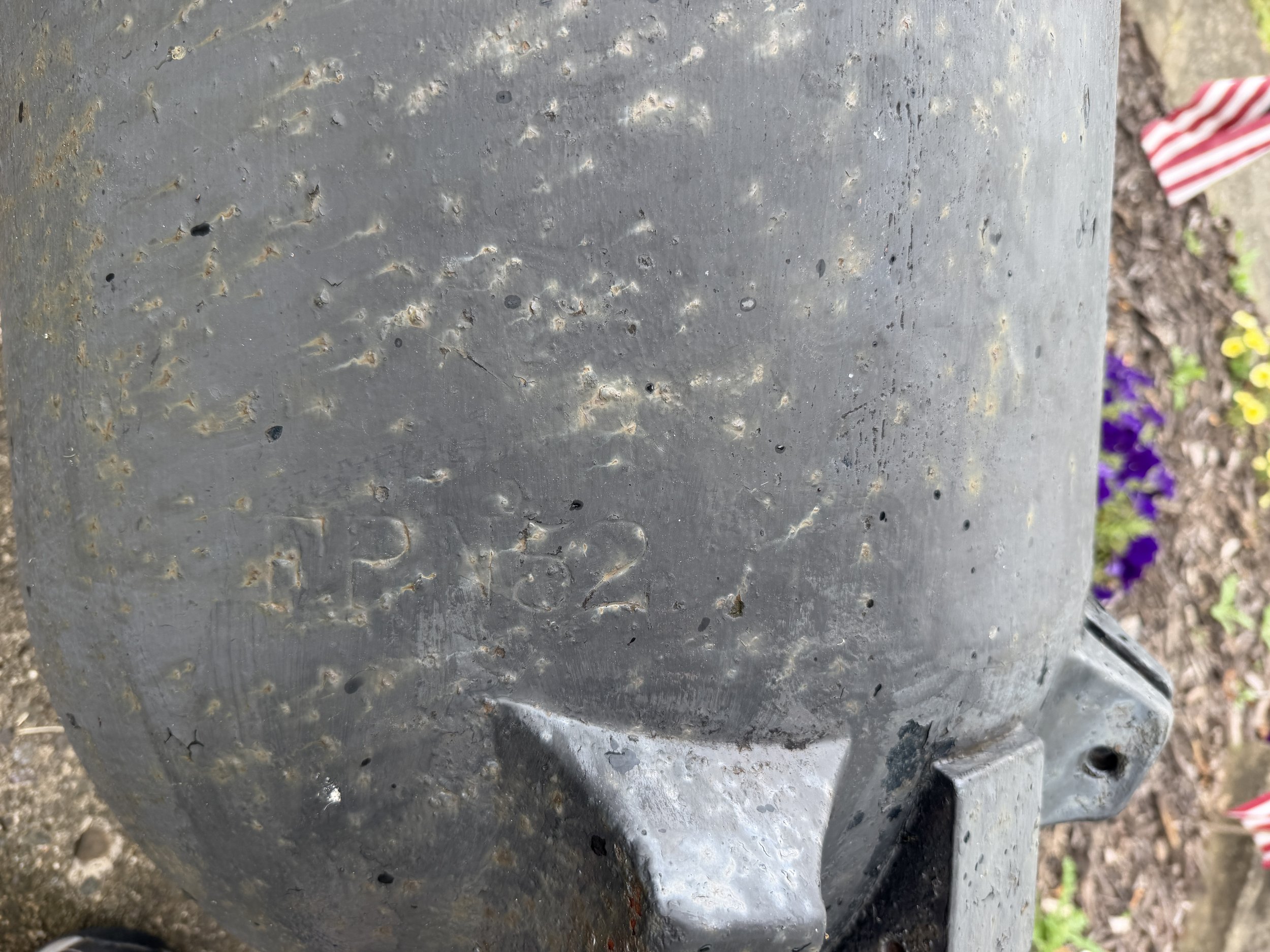
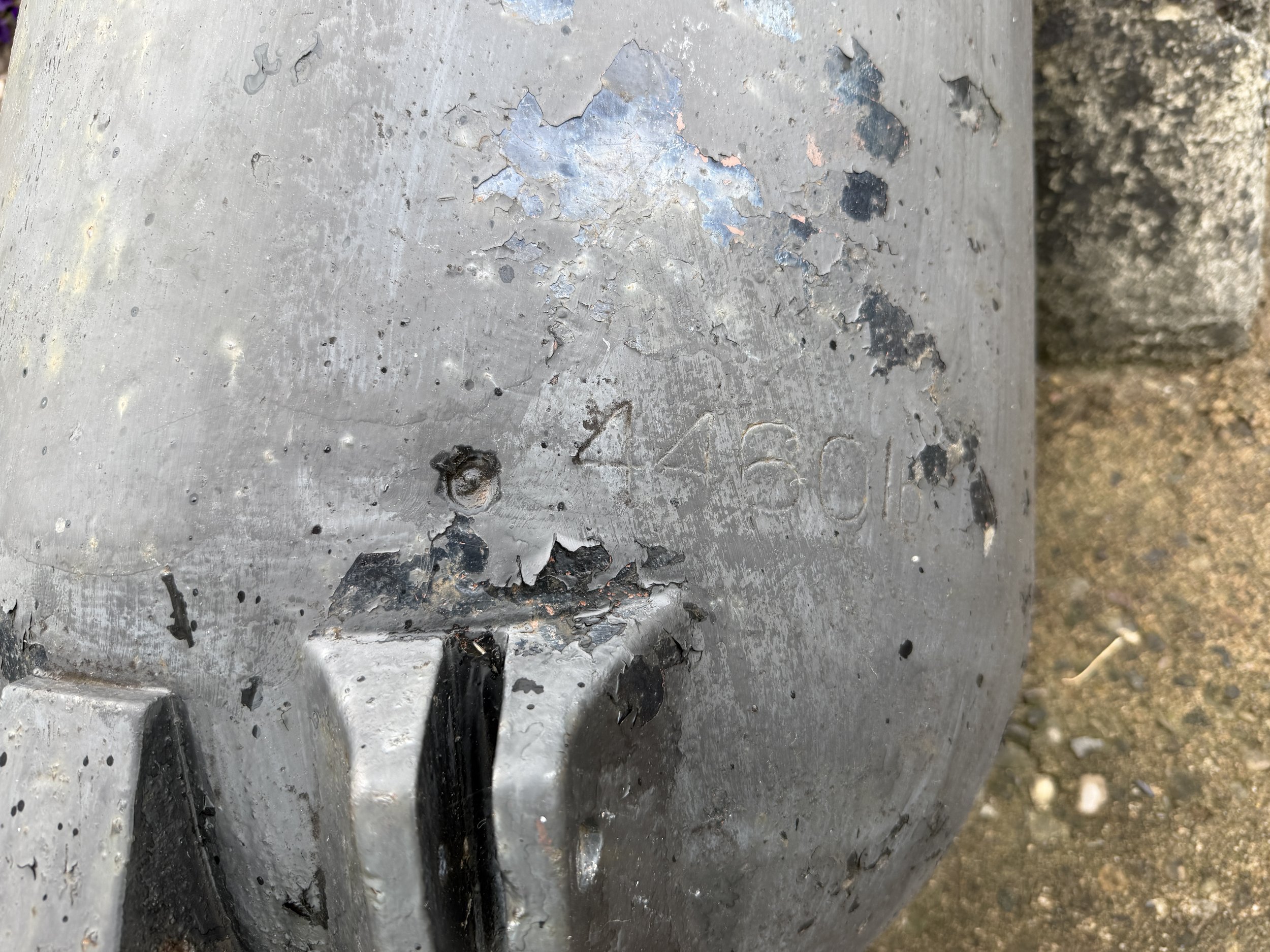
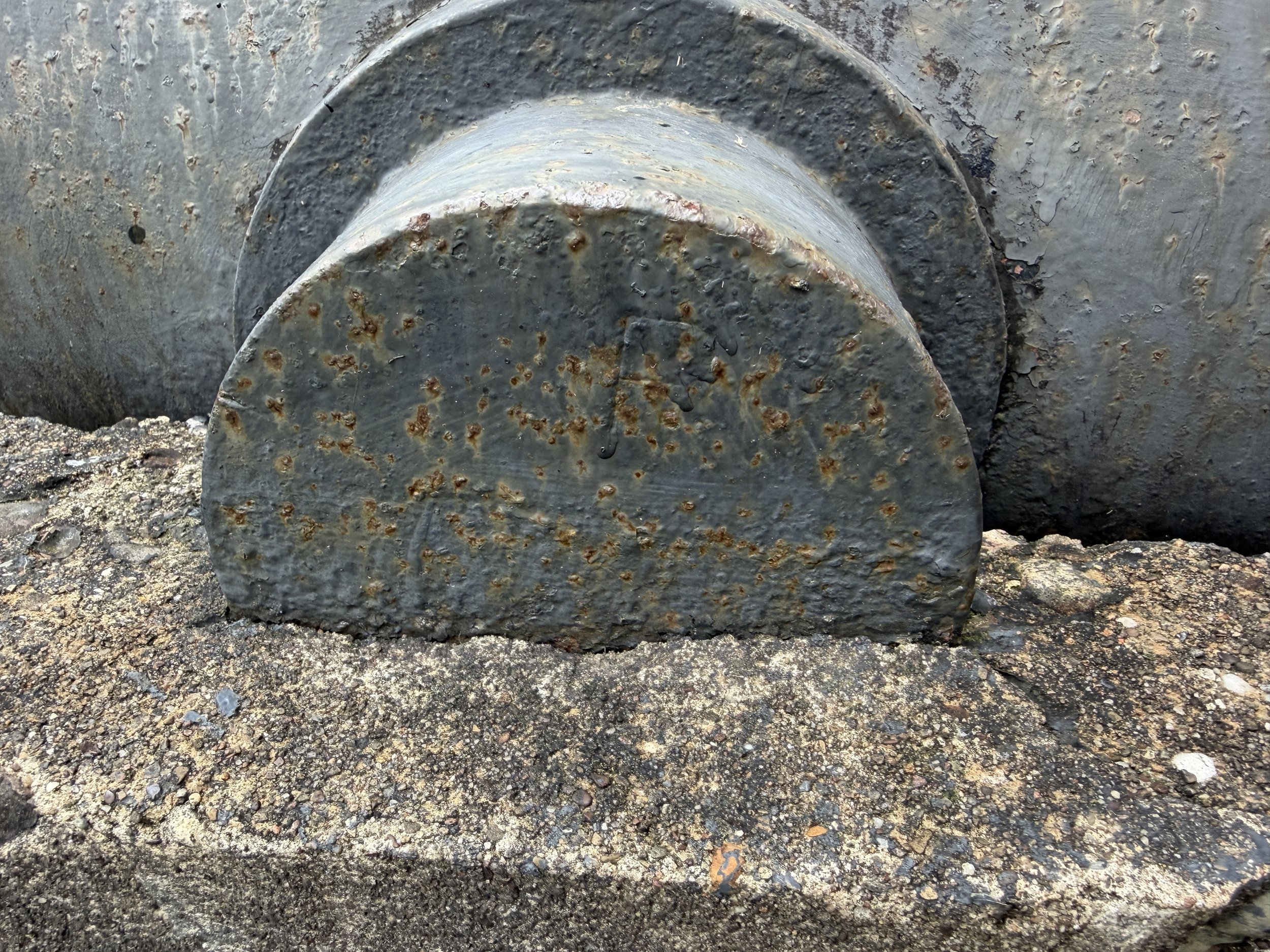
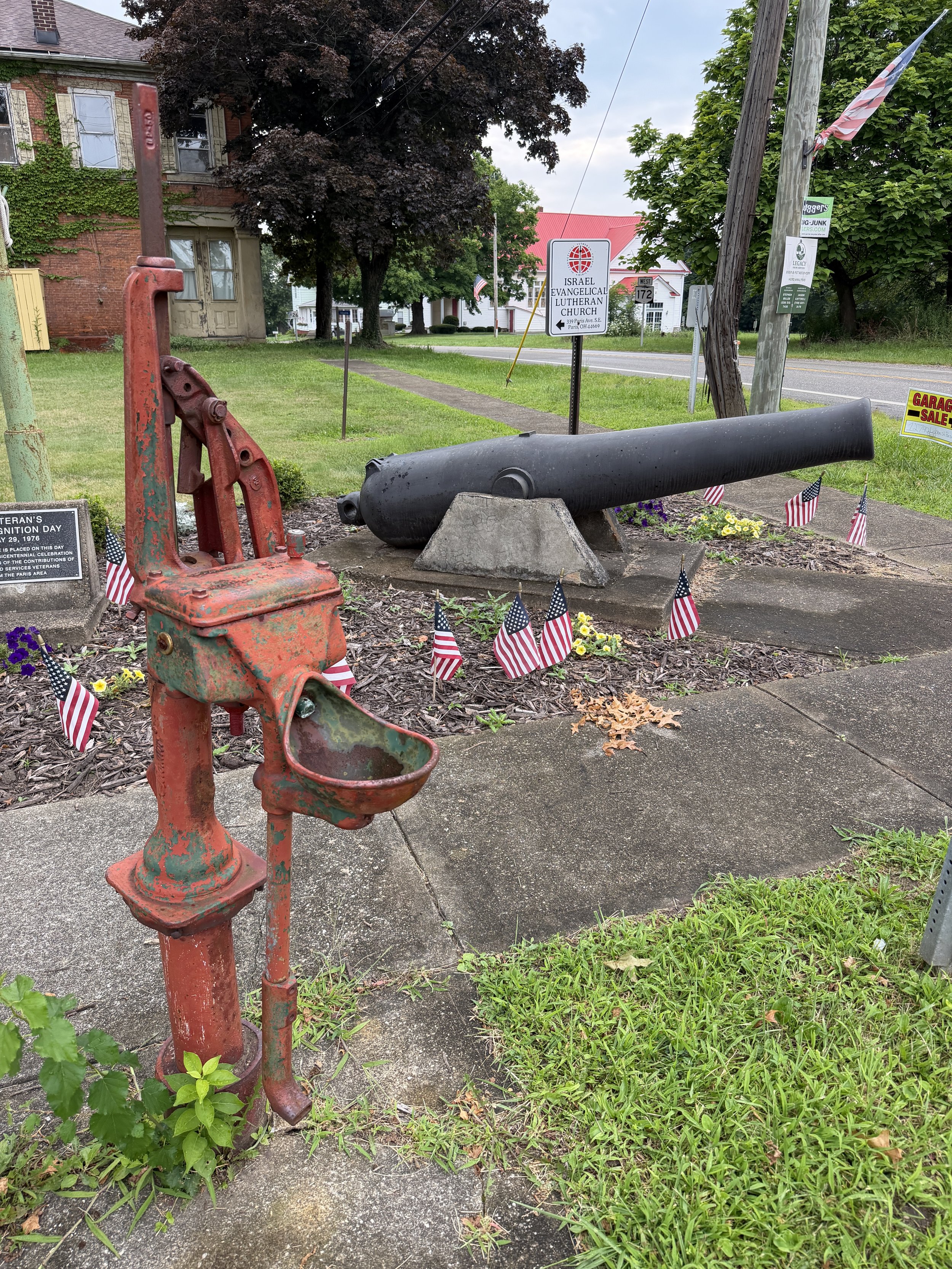
US Navy 32-Pounder of 4,500 Pounds Number 52 is displayed in Paris, Ohio. Number 52 was cast at Fort Pitt Foundry in 1864 and is marked as weighing 4,460 pounds. US Navy records show that it was placed aboard the training frigate USS Santee in 1867. In December of 1882 it was moved to the training ship USS Wyoming. In May of 1898 it was loaned to the Paris Memorial Association in Paris, Ohio. It is mounted on a simple pedestal in a small, but well maintained park dedicated to veterans.
USS Santee was one of the ships authorized by the Gradual Increase of the Navy Act of 1816. Laid down at the Portsmouth Navy Yard (Kittery, Maine) in 1821, she was kept on the stocks as a war reserve for decades. In the early 1850s, she and her sister Sabine were lengthened by 15 feet while still on the stocks and modernized a bit. She was launched in 1855 but not commissioned until 1861. She served on the Gulf Blockading Squadron from the summer of 1861 to the summer of 1862. Late in 1862 she was assigned to the United States Naval Academy. She would serve the Naval Academy until 1912. From the late 1860s to the early 1880s, she was a gunnery training ship, following which she was housed over as a floating barracks. As a training ship, she carried a spar deck battery of these light 32-Pounders and a gun deck battery of 8-Inch Shell guns of 6,500 pounds. She sank at her moorings in 1912. Santee is the namesake of my page.
The 32-Pounder of 4,500 Pounds: This type of cannon was designed by the Bureau of Ordnance in 1864 due to a perceived need for lightweight 32-Pounders. The resulting 32-Pounder of 4,500 Pounds borrowed the general shape from Admiral Dahlgren’s 9-Inch, 10-Inch, and 11-Inch cannons. However, the 32-Pounders, like the similar 8-Inch Shell guns of 6,500 Pounds, had a simplified ring cascabel. Few if any of this type of cannon would have seen service during the Civil War. Postwar, some served ashore in saluting batteries. Others served afloat on training ships and aboard auxiliary vessels. Many never left storage. However, as the smallest of the Navy’s “big guns”, many were loaned to local communities in the 1890s and 1900s. Consequently, a relatively large number - around 90 - survive to the present.
USS Santee at the Naval Academy
The spar deck of USS Santee. Note the 32-Pounders of 4,500 Pounds and the 11-Inch Dahlgren mounted in the aft pivot position.